Explosive Pull Ups
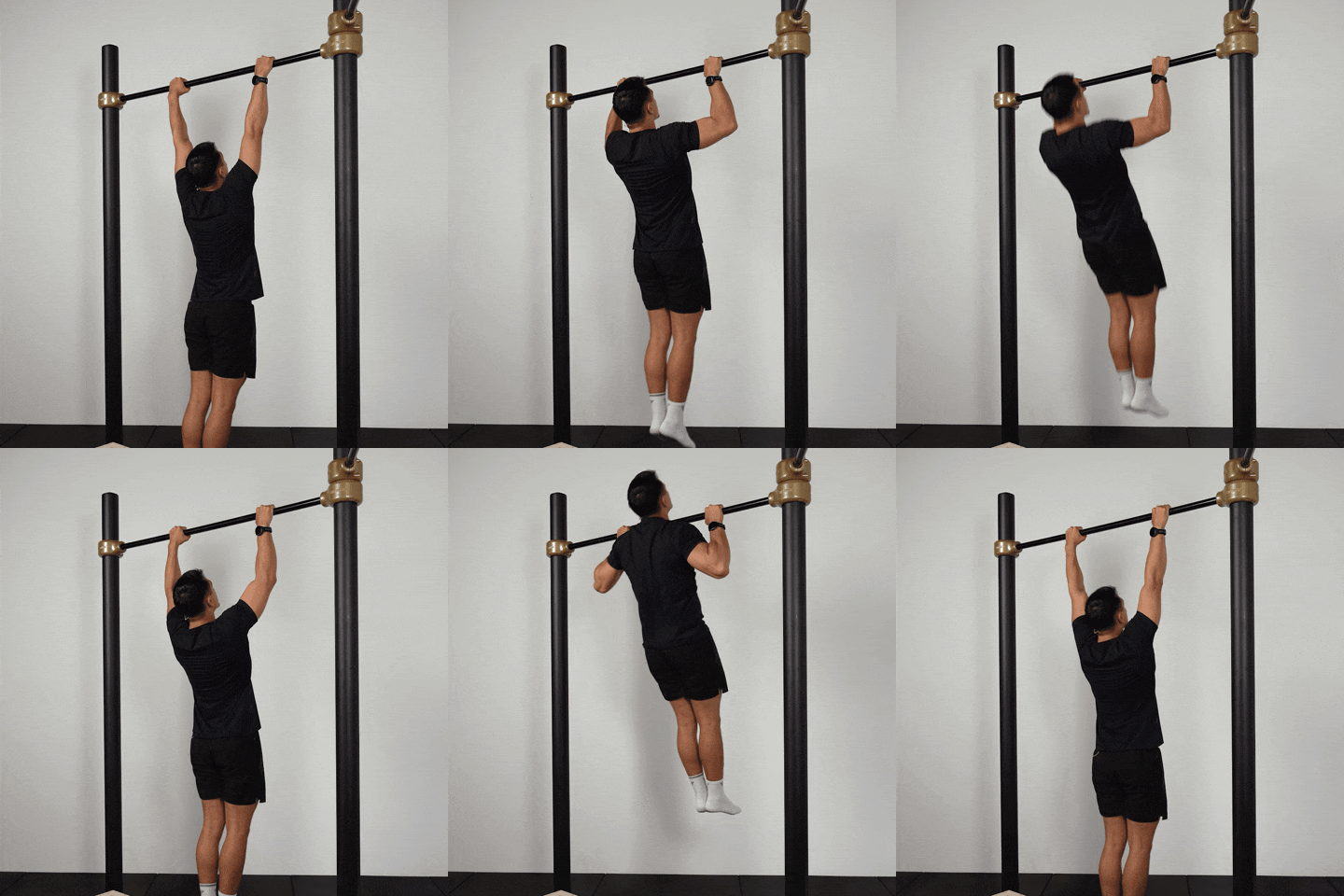
Explosive pull ups are a fast, powerful version of the standard pull up. Instead of grinding through the rep, you pull as hard as you can from a dead hang until the chin clears the bar, then lower under control just enough to stop yourself swinging before you explode again. The hands stay gripped on the bar the whole time, nothing is released at the top. The lats and biceps drive the movement while the upper back, traps, forearms and core hold the body in one tight piece so the power goes into the bar instead of into a swing. It is the exercise that turns strict pulling strength into usable speed, which is why it sits directly underneath skills like the muscle up.
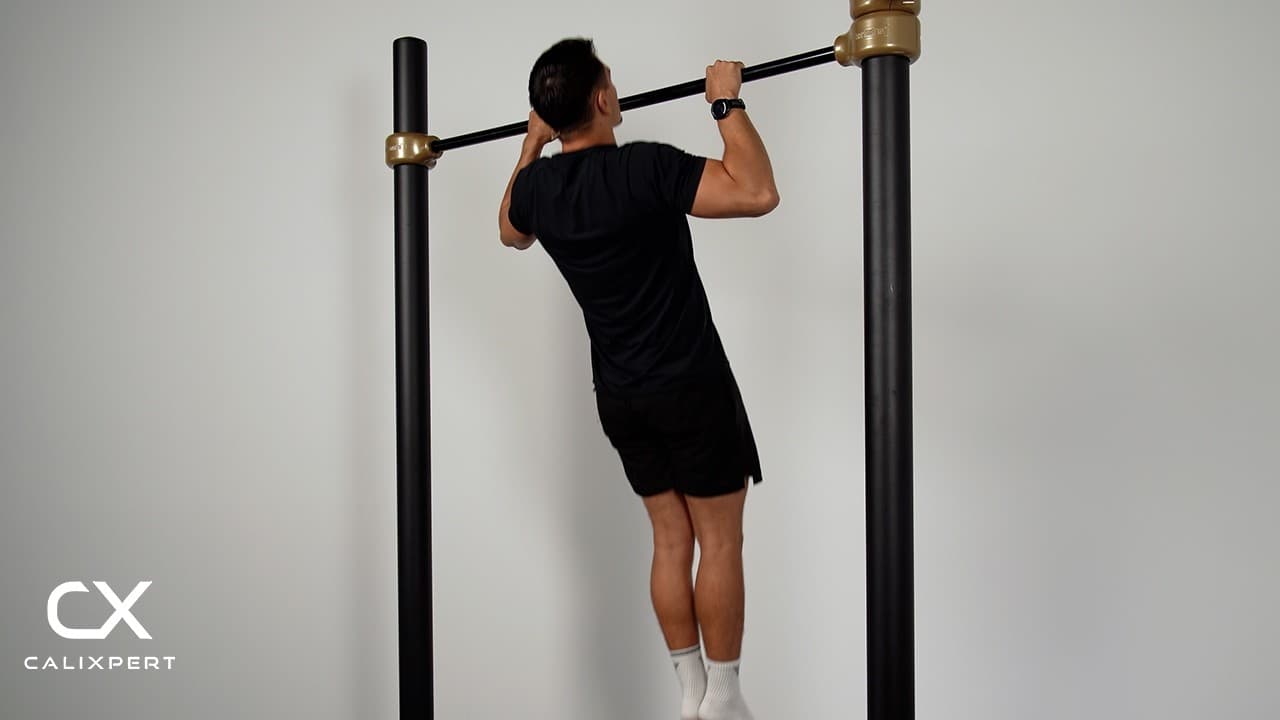
Explosive pull ups are a fast, powerful version of the standard pull up. Instead of grinding through the rep, you pull as hard as you can from a dead hang until the chin clears the bar, then lower under control just enough to stop yourself swinging before you explode again. The hands stay gripped on the bar the whole time, nothing is released at the top. The lats and biceps drive the movement while the upper back, traps, forearms and core hold the body in one tight piece so the power goes into the bar instead of into a swing. It is the exercise that turns strict pulling strength into usable speed, which is why it sits directly underneath skills like the muscle up.
How to Do Explosive Pull Ups
1. Set Up a High Bar and Step In
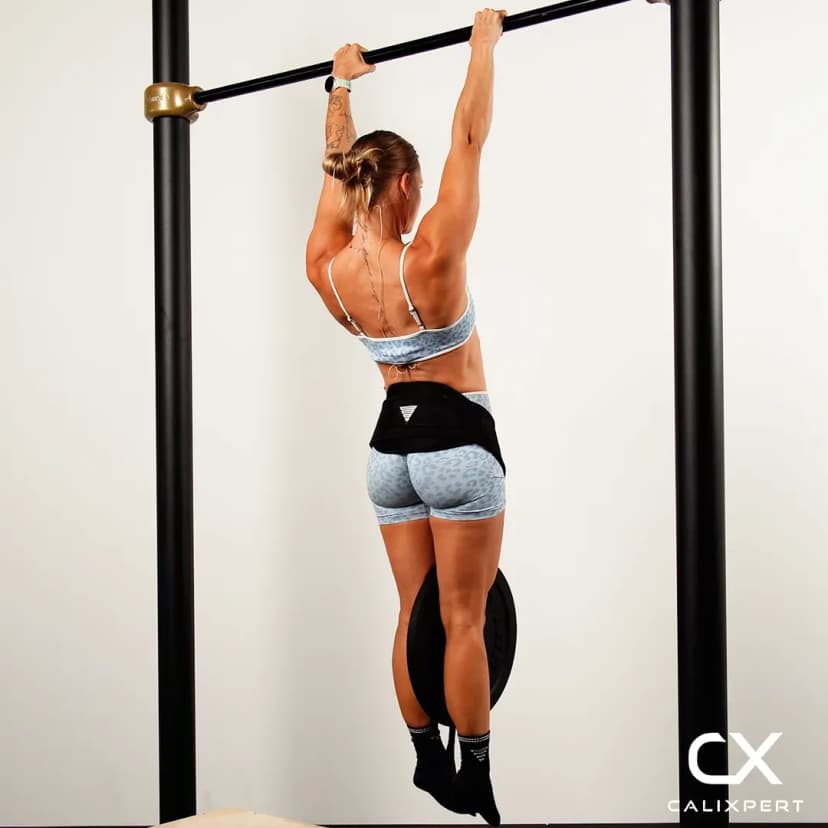
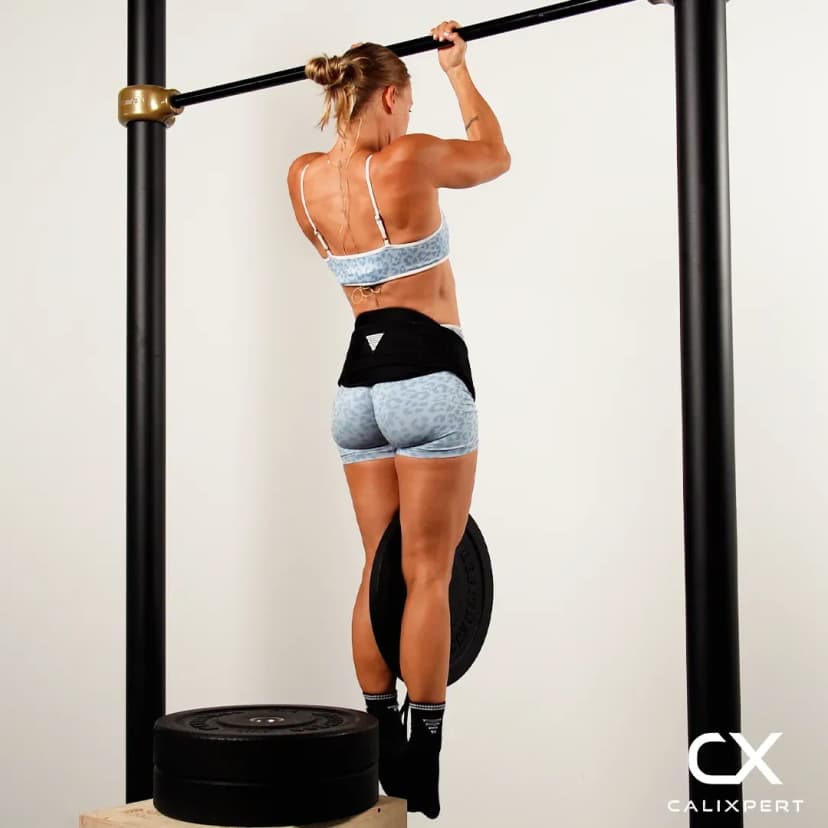
Use a bar high enough that you hang completely clear of the floor, and put a box or platform underneath so you can step up to it. Stepping in lets you place your hands exactly where you want them instead of jumping and settling for whatever grip you catch.
Step up to the bar, never jump at it
2. Chalk Up and Choose Your Grip Width
Chalk your hands so the grip still holds when the pull gets fast. Take an overhand grip at the width that feels most comfortable and strongest for you, which will be slightly closer for some people and slightly wider for others.
Chalk on, your most comfortable width
3. Take a Semi False Grip
Roll your hands over the top of the bar into a semi false grip so your knuckles point up toward the ceiling. This keeps the bar locked into the hand through a fast pull instead of letting it slide down toward the fingers.
Knuckles up toward the ceiling
4. Step Down and Build Full Body Tension
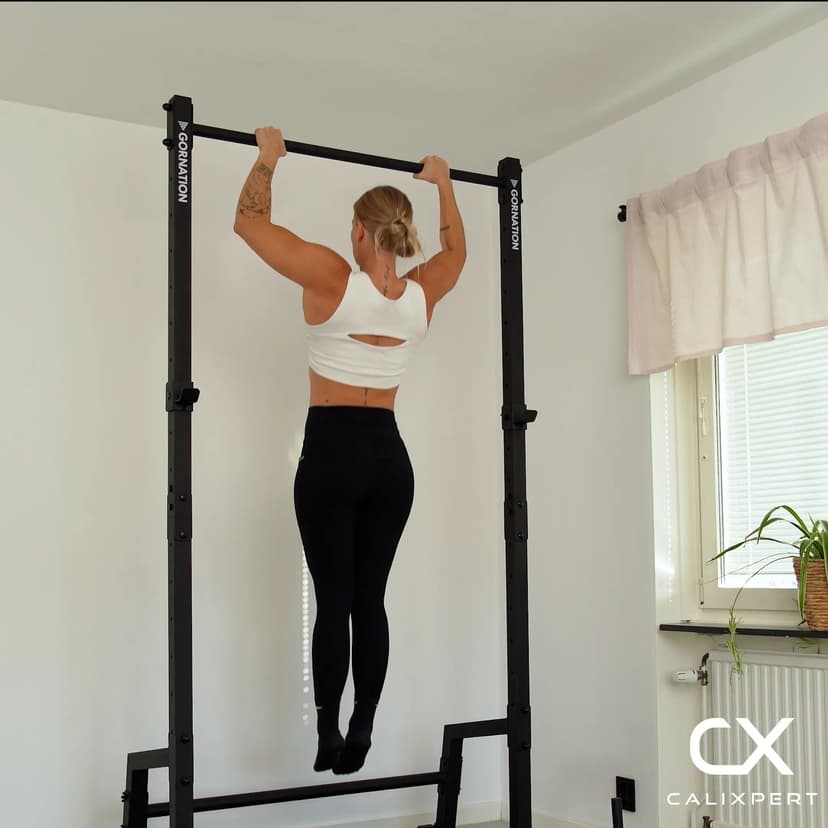
Step off the box under control into a still dead hang with the arms straight. Before you pull, tension the core, tension the legs and squeeze them together, and make the whole body one solid piece so nothing is moving when the rep starts.
Everything tight, then pull
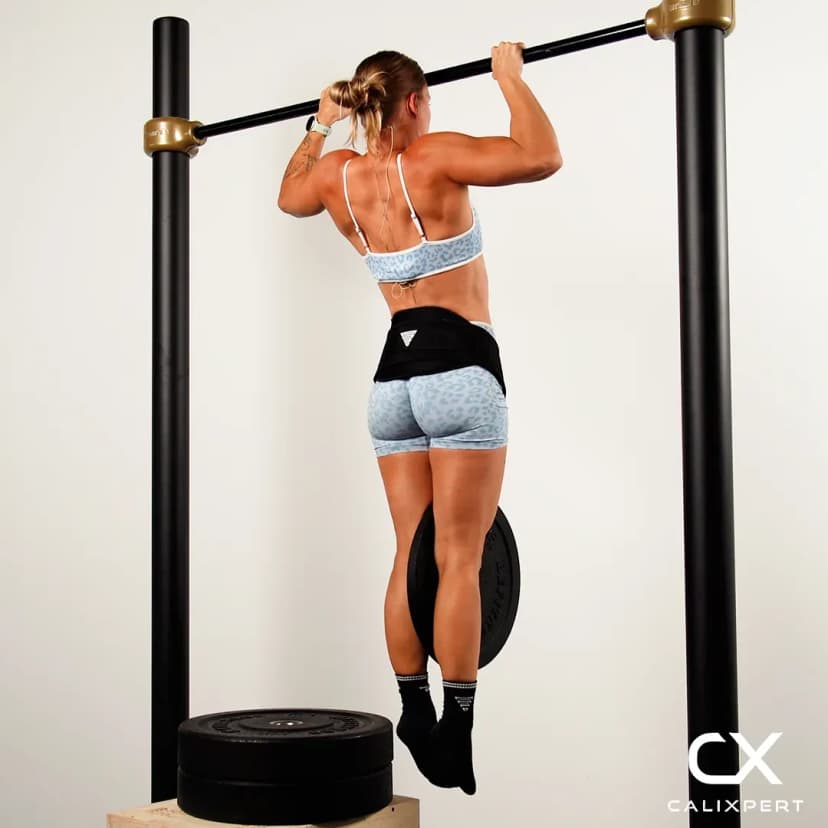
5. Explode Up to the Bar
Pull as fast as you possibly can from the bottom, driving the elbows down and back until the chin clears the bar. The upward phase is the entire point of the exercise, so treat every rep as a maximum speed effort. The hands stay gripped on the bar the whole way, the quality of the rep is in how fast you get the chin over it, not in letting go.
Explode, chin over the bar
6. Control the Negative, Do Not Train It
Lower yourself back down under control, but do not turn the descent into the workout. On this exercise the negative exists only to slow you down and settle the body so that the next rep can start from a still hang.
Slow it down, do not fight it
7. Reset and Explode Again
Come back to a still dead hang, rebuild the tension, and pull as fast as possible again. Explode, explode, explode, and end the set the moment the reps stop being fast, because a slow rep is just a normal pull up.
Every rep starts from still
The goal here is to explode from the bottom up to the bar with the chin over the bar, and not so much focus on the negative part. Take the grip you want, step down, tension your core, tension your legs, everything, and then explode. The negative is only there to slow you down and control it so you do not start swinging, then you start over and pull as fast as possible again. So the goal, explode, explode, explode.
Muscles Worked During Explosive Pull Ups
Secondary Muscles:
Primary Muscles
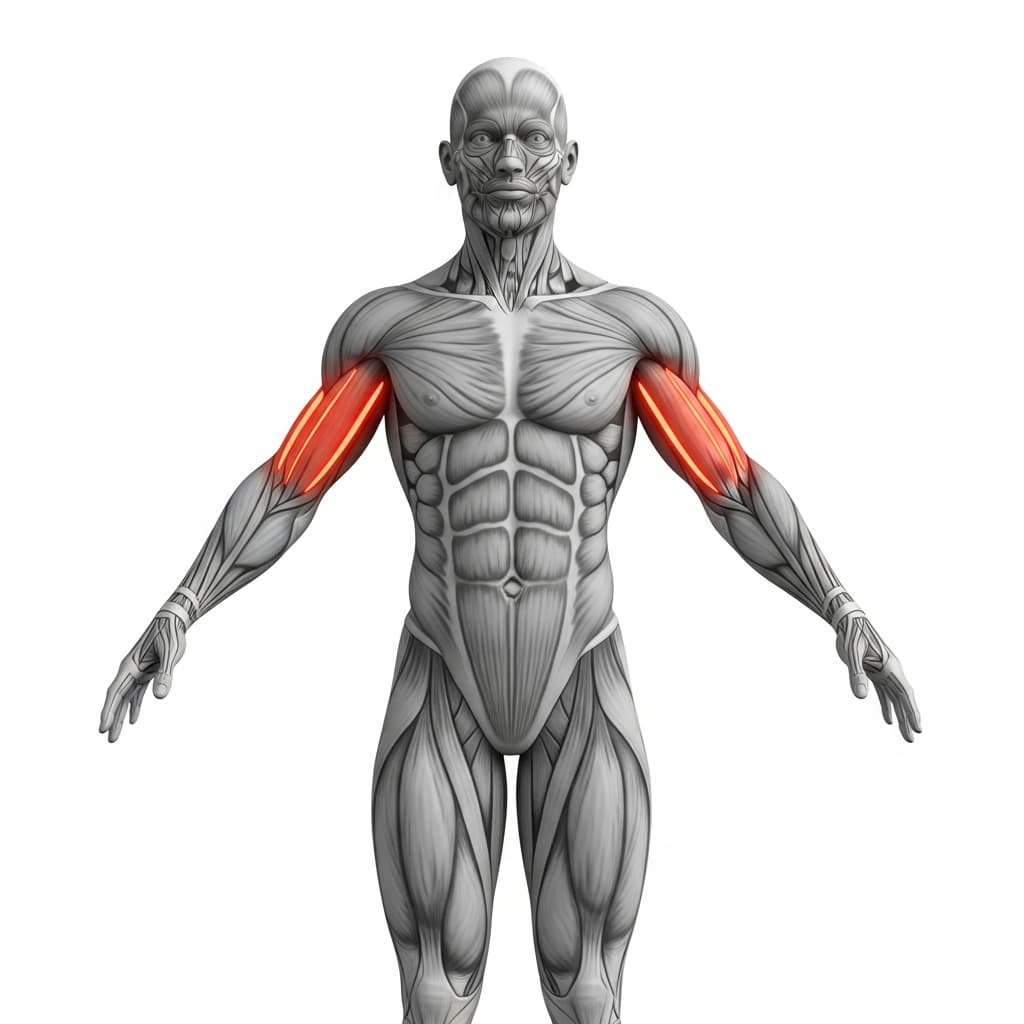
Latissimus Dorsi (Lats) - The lats are the prime mover, driving the elbows down and back to accelerate the body up toward the bar as fast as possible.
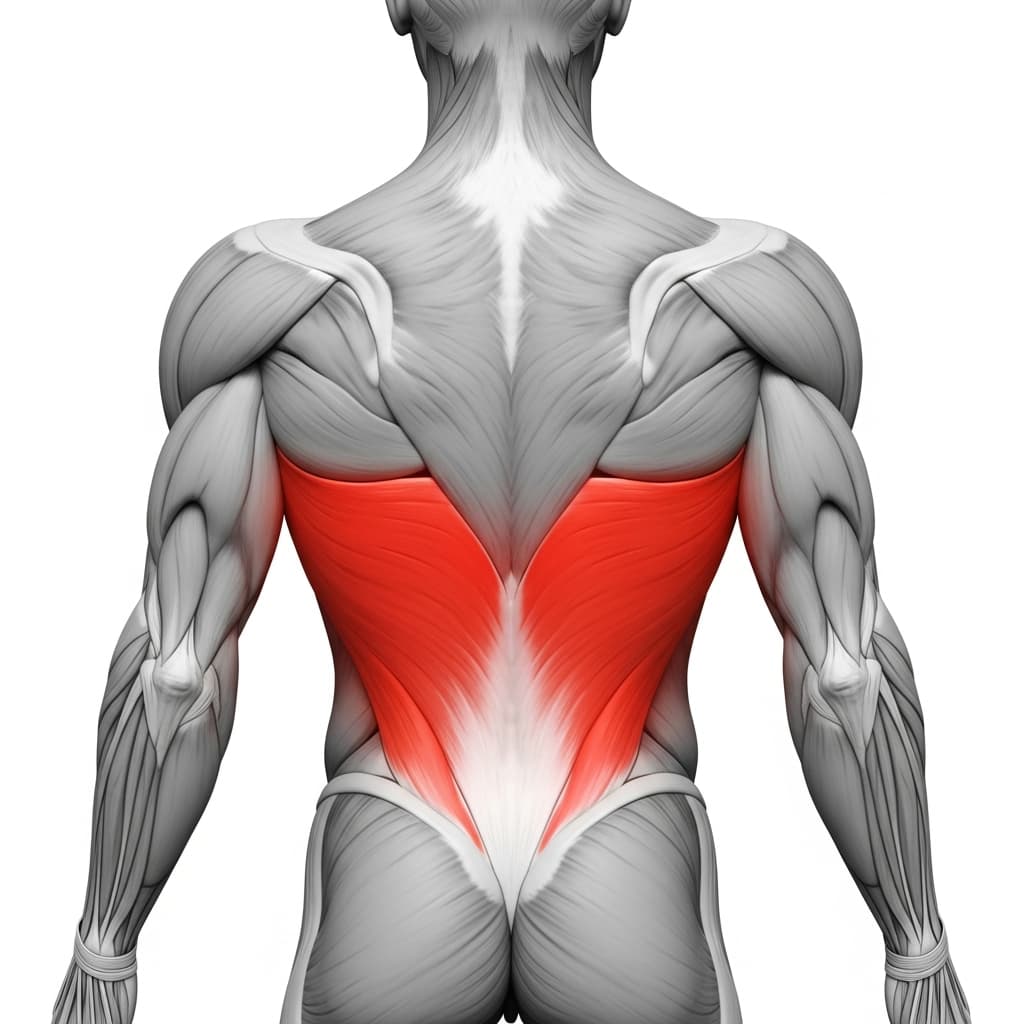
Biceps Brachii (Biceps) - The biceps flex the elbows through the pull, and here they have to produce that force quickly rather than slowly, which is what makes an explosive rep feel so different from a strict one.
Secondary Muscles
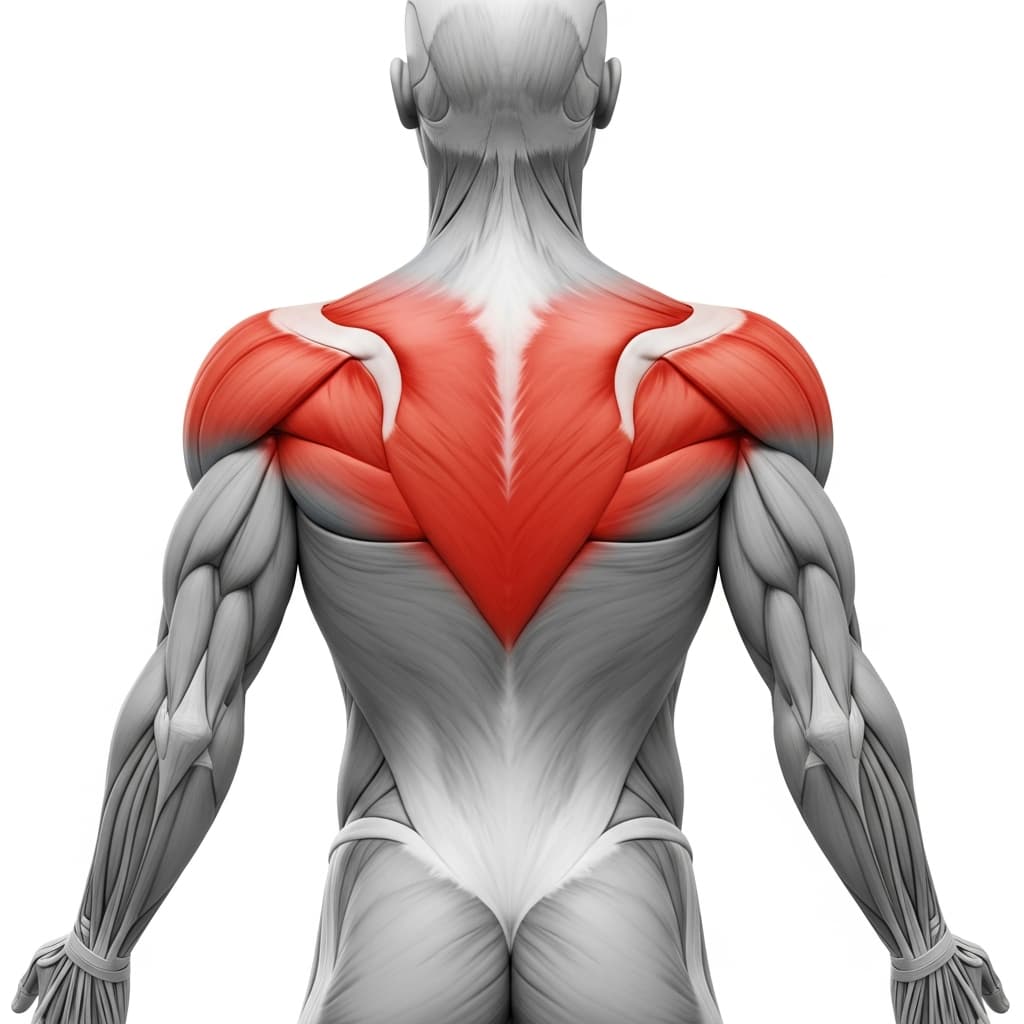
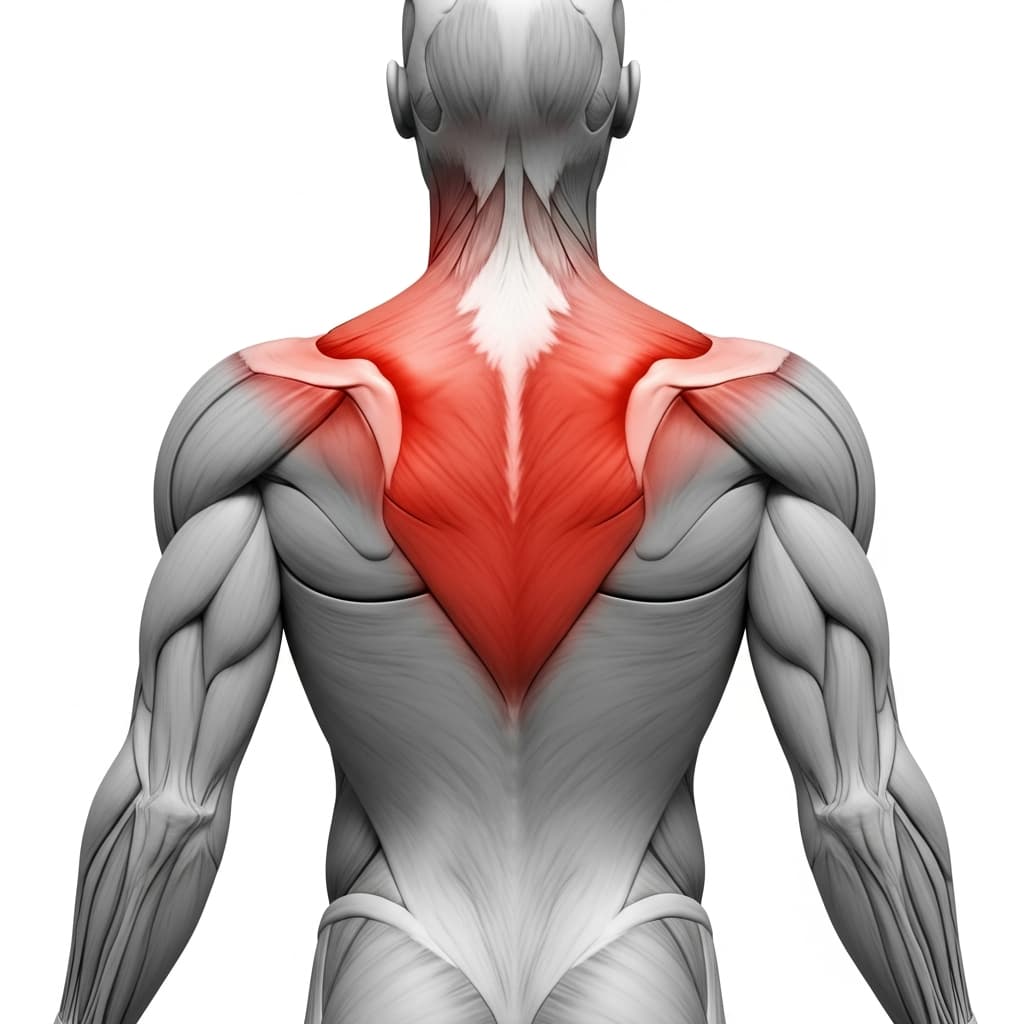
Rhomboids & Upper Trapezius (Upper Back) - The mid back and rhomboids retract the shoulder blades to set a strong shoulder position and keep the chest tall as the chin comes over the bar.
Trapezius (Trapezius) - The traps depress and stabilize the shoulder blades so every fast pull starts from a solid base instead of a loose, hanging shoulder.
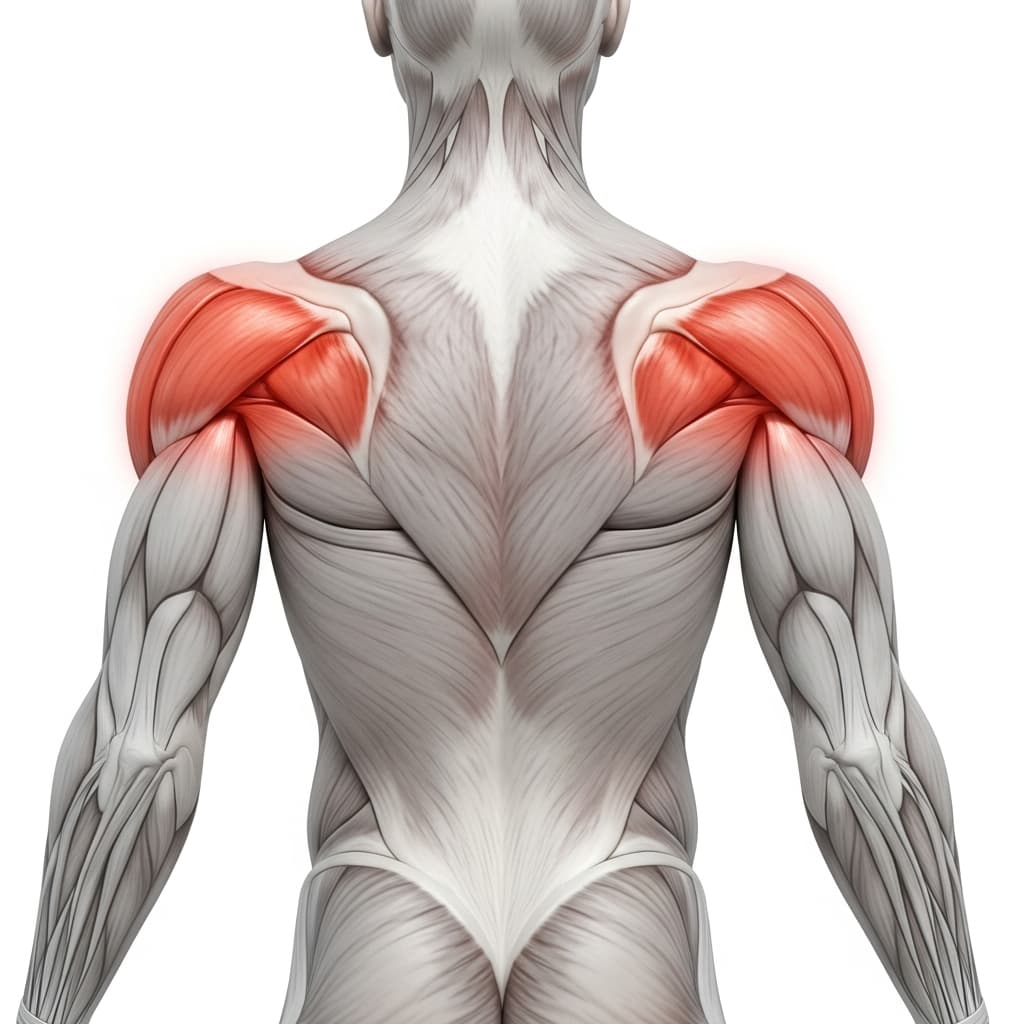
Posterior Deltoid (Rear Deltoid) - The rear deltoids assist in pulling the elbows down and back and keep the shoulder joint packed through a fast, high pull.
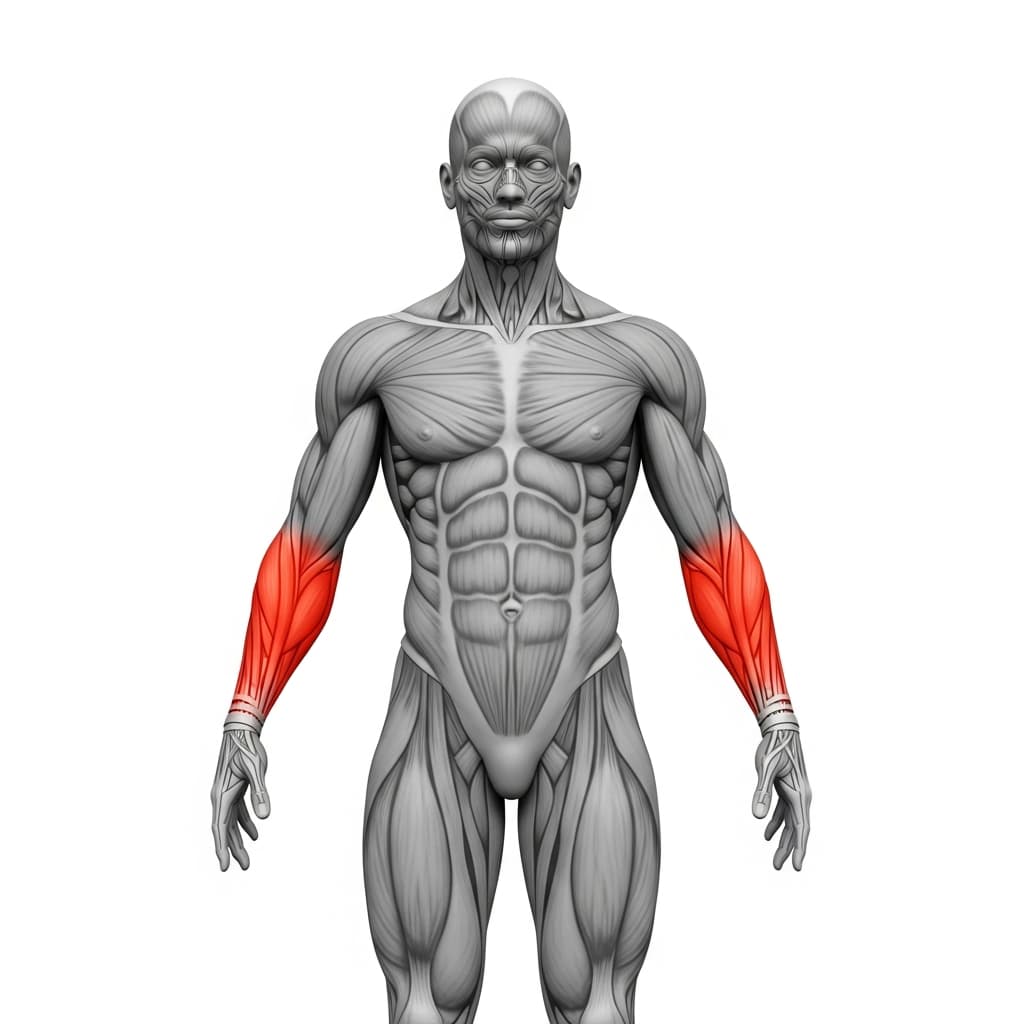
Forearm Flexors & Extensors (Forearms) - The forearms hold the semi false grip through a violent pull and take the load again on the way down, which makes grip the limiting factor for a lot of people.
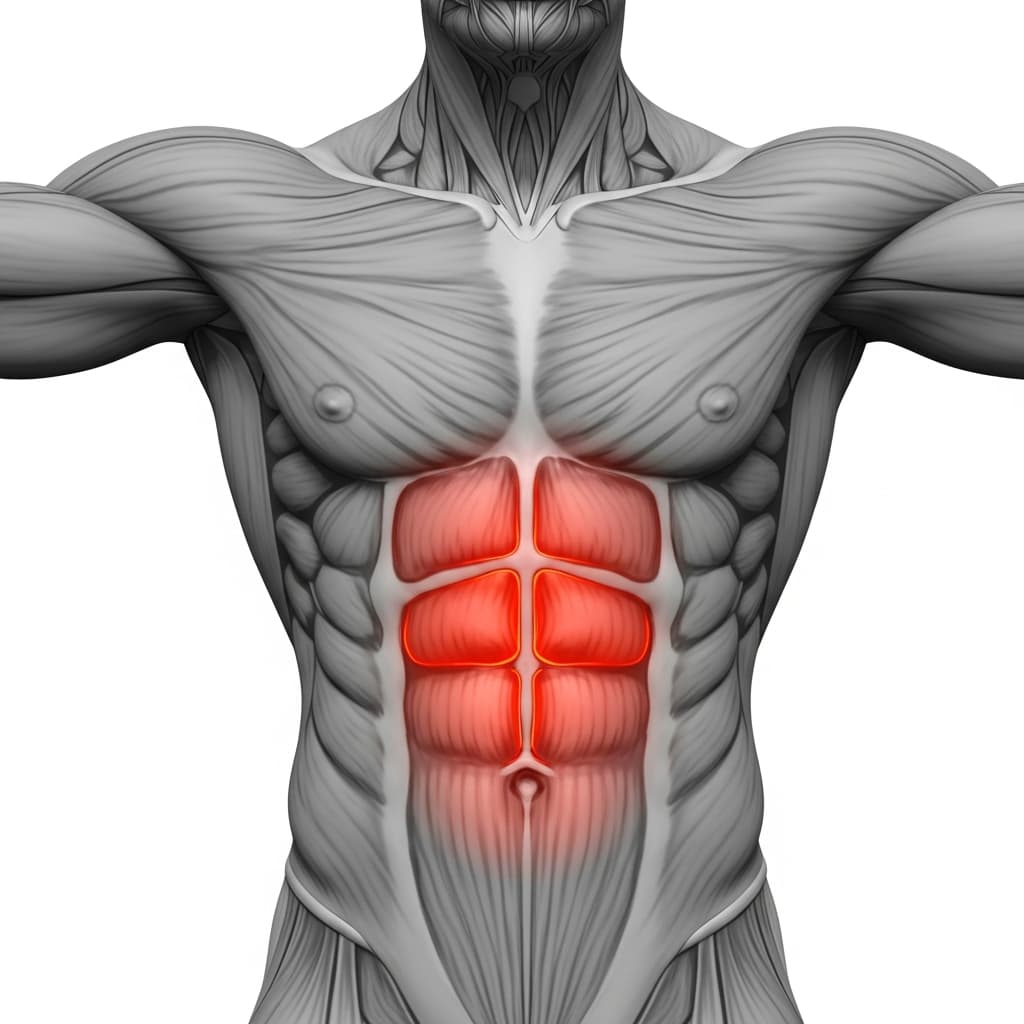
Rectus Abdominis (Abs) - The abs brace the whole body into one rigid piece so the force goes into the bar rather than into a swing you then have to fight.
Benefits of Explosive Pull Ups
- Builds explosive pulling power by training the nervous system to recruit fast twitch fibers quickly, something strict slow reps never demand
- Is the most direct preparation for the muscle up, since getting over the bar depends on how fast you can pull, not only on how strong you are
- Breaks a strict pull up plateau by adding speed and intent rather than load, so you keep progressing without a belt or plates
- Develops hard grip and forearm strength, because the hands hold the bar through a violent pull and take the load again on the way down
- Trains full body tension and anti swing control that carries over to climbing, combat sports, and any pull that has to happen fast
Who Is This Exercise For?
Own the strict version first, around 8 to 10 clean full range pull ups from a dead hang with the chin clearing the bar every rep. You also need a high bar, high enough that you hang completely clear of the floor, and something solid to step from so you can set the exact grip you want instead of jumping and taking whatever you catch. If your strict reps still turn into a struggle or a swing, keep building them, because speed added to a pull up you cannot yet control just becomes a swing you spend the next rep fighting.
Common Mistakes to Avoid
Swinging into the next rep: Dropping out of the top too fast sets the body swinging, and the next pull is wasted fighting it. Slow the lowering just enough to kill the movement, settle into a still hang, then explode again.
Pulling slowly: A controlled, grinding pull is a normal pull up, not an explosive one. Keep the sets short, rest two to three minutes between them, and stop the set as soon as the speed drops instead of squeezing out extra reps.
Kicking the legs for height: Throwing the knees or hips up to gain height moves the work away from the back and turns the rep into a swing you then have to control. Squeeze the legs together, brace the core, and let the height come from how fast the lats and arms pull.
A loose grip on a fast pull: A relaxed, low knuckle grip slides toward the fingers the moment you pull hard. Use chalk and set the semi false grip with the knuckles up before every set so the bar stays locked in the palm.
Variations & Progressions
Clapping Pull Up
A separate, harder movement where you pull high enough to release both hands and clap before catching the bar again, which demands more height, sharper timing, and a confident grip.
Bar Muscle Up
The skill explosive pull ups build toward, where the same fast pull carries you over the bar and into a transition instead of back down.