Advanced Wall Handstand Press Lean
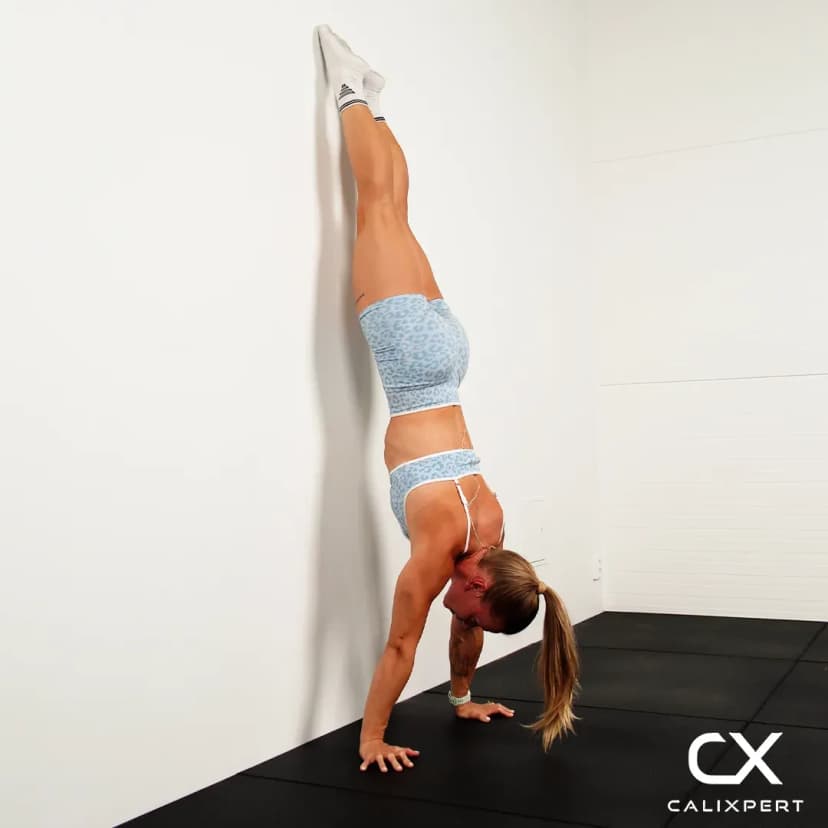
The Advanced Wall Handstand Press Lean is a chest to wall handstand drill where you lean into your shoulders until your feet release from the wall, then push the shoulders back into the full handstand before the feet return. It follows the order of a real straight arm press, lean first and lift second, with the wall still there for your feet. Where the regular Wall Handstand Press Lean keeps the feet on the wall, here the lean alone takes them off.
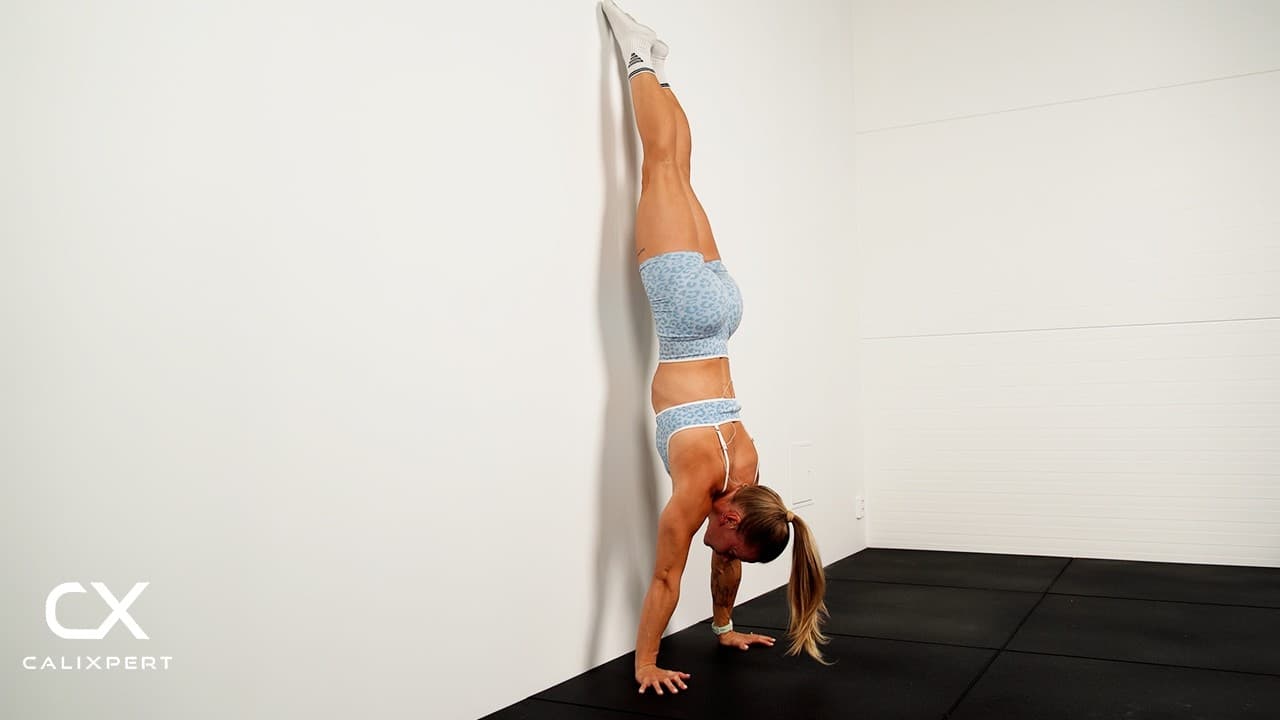
The Advanced Wall Handstand Press Lean is a chest to wall handstand drill where you lean into your shoulders until your feet release from the wall, then push the shoulders back into the full handstand before the feet return. It follows the order of a real straight arm press, lean first and lift second, with the wall still there for your feet. Where the regular Wall Handstand Press Lean keeps the feet on the wall, here the lean alone takes them off.
How to Do Advanced Wall Handstand Press Lean
1. Turn Your Fingers Slightly Out
Place your hands with the fingers rotated slightly outwards. This suits handstand press drills like this one, because it is easier on the wrists and asks less of your shoulder mobility.
Fingers slightly out.
2. Climb Into A Chest To Wall Handstand
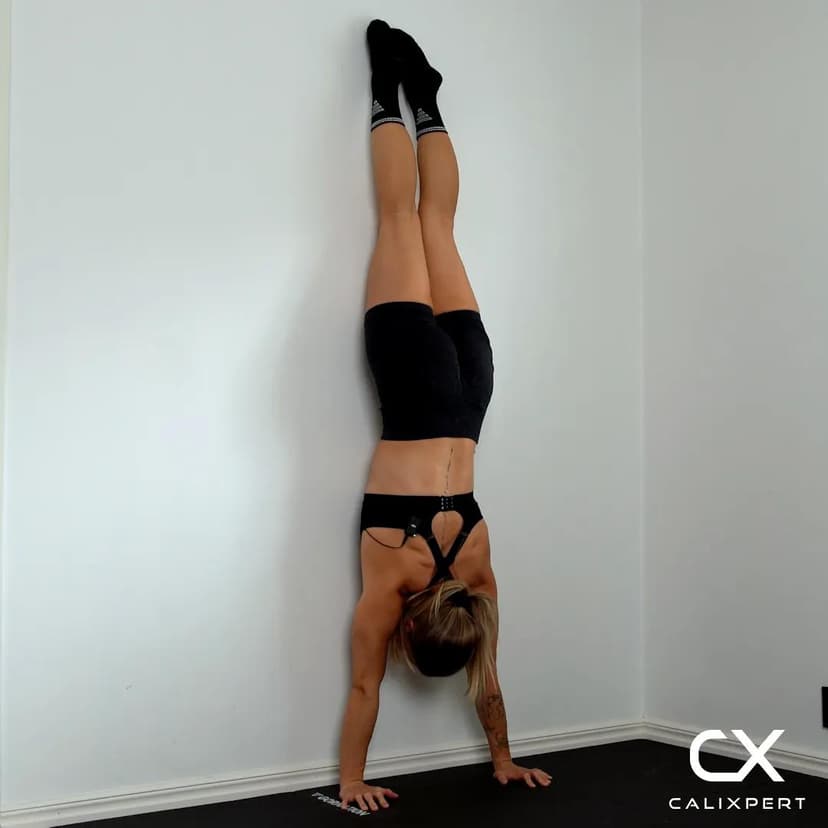
Start with your back to the wall, put your hands on the floor, walk your feet up the wall, then walk your hands back in until you are upside down with your chest to the wall and your toes resting on it. Stop with your hands about 20 to 25 centimeters from the wall, the same distance as in the regular Wall Handstand Press Lean.
Chest to the wall.
3. Build The Full Handstand Shape
Apply everything you would in a full handstand. Tighten your core, push the shoulders off the ground, keep the legs together and the arms straight with the elbows locked. Squeeze the glutes and abs so you are one line from your hands to your feet.
Tall, tight, legs together.
4. Lean Until Your Feet Release
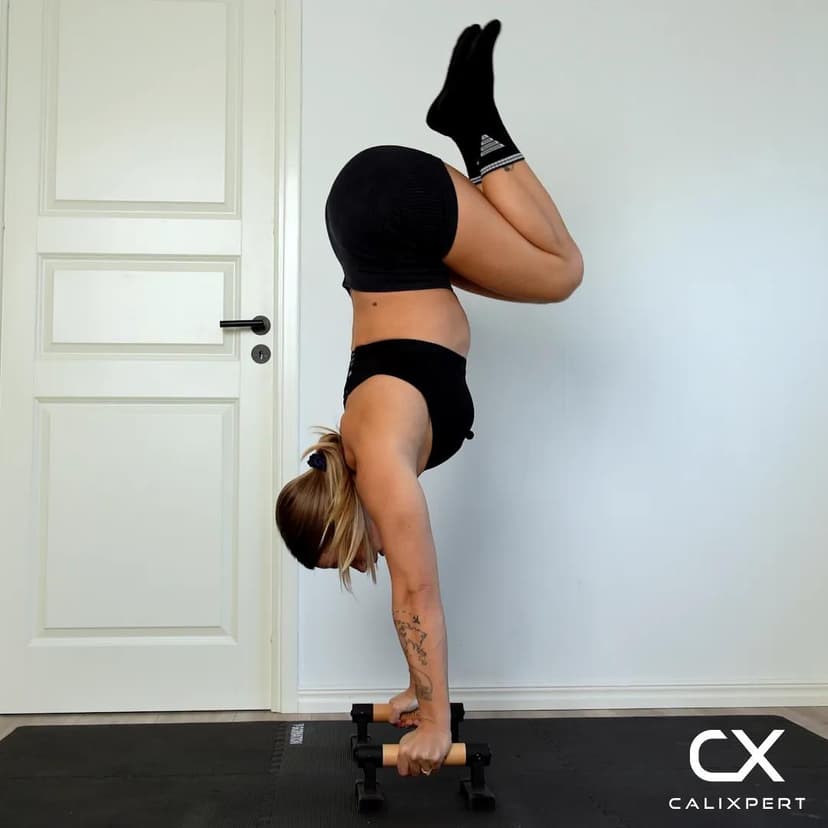
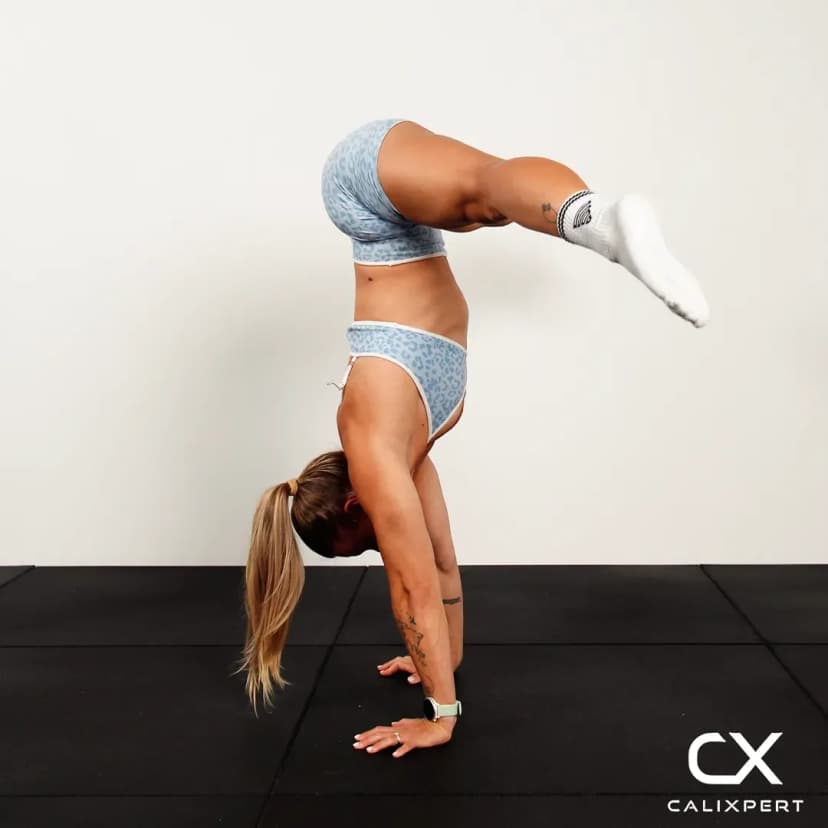
Lean into your shoulders, moving them forward past your hands and away from the wall, further than you do in the regular press lean. Keep leaning until your feet release from the wall on their own. The lean is what takes them off, not a kick.
Lean until the feet release.
5. Push Back Into The Handstand
Push your shoulders back over your hands and let your body rise into the full handstand, the same way the top of a real press finishes. Keep the elbows locked and your head in the whole way.
Push back, stay straight.
6. Return The Feet And Repeat
Put your feet back on the wall under control instead of falling into it, then lean again for the next rep. End the set as soon as your feet only leave the wall when you kick them off.
Feet back softly.
Judge every rep by how the feet leave the wall, because a float means the shoulders did the work and a flick means you practiced a kick. Once the lean alone stops taking them off, end the set, since more reps only train the wrong thing. Do this drill early in the session, because the press is a coordination skill and fatigue ruins coordination.
Muscles Worked During Advanced Wall Handstand Press Lean
Primary Muscles:
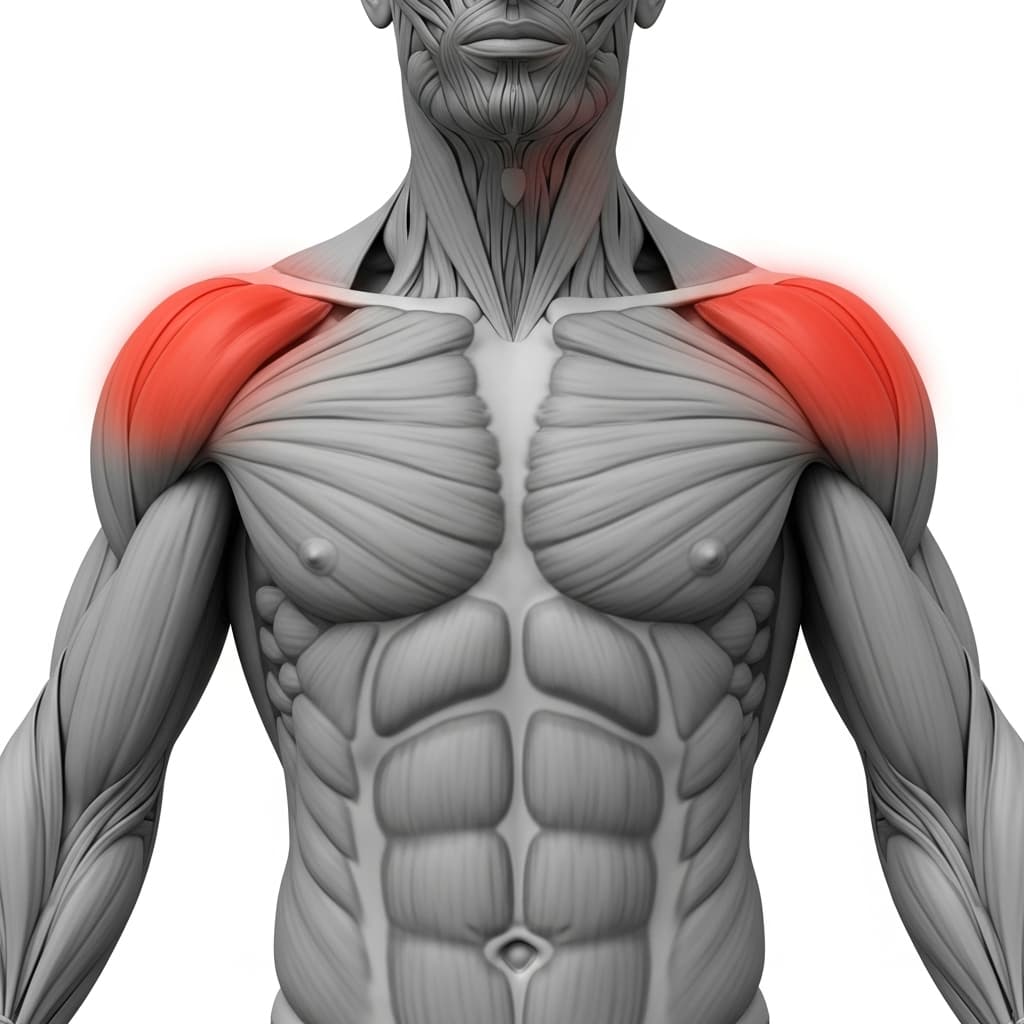
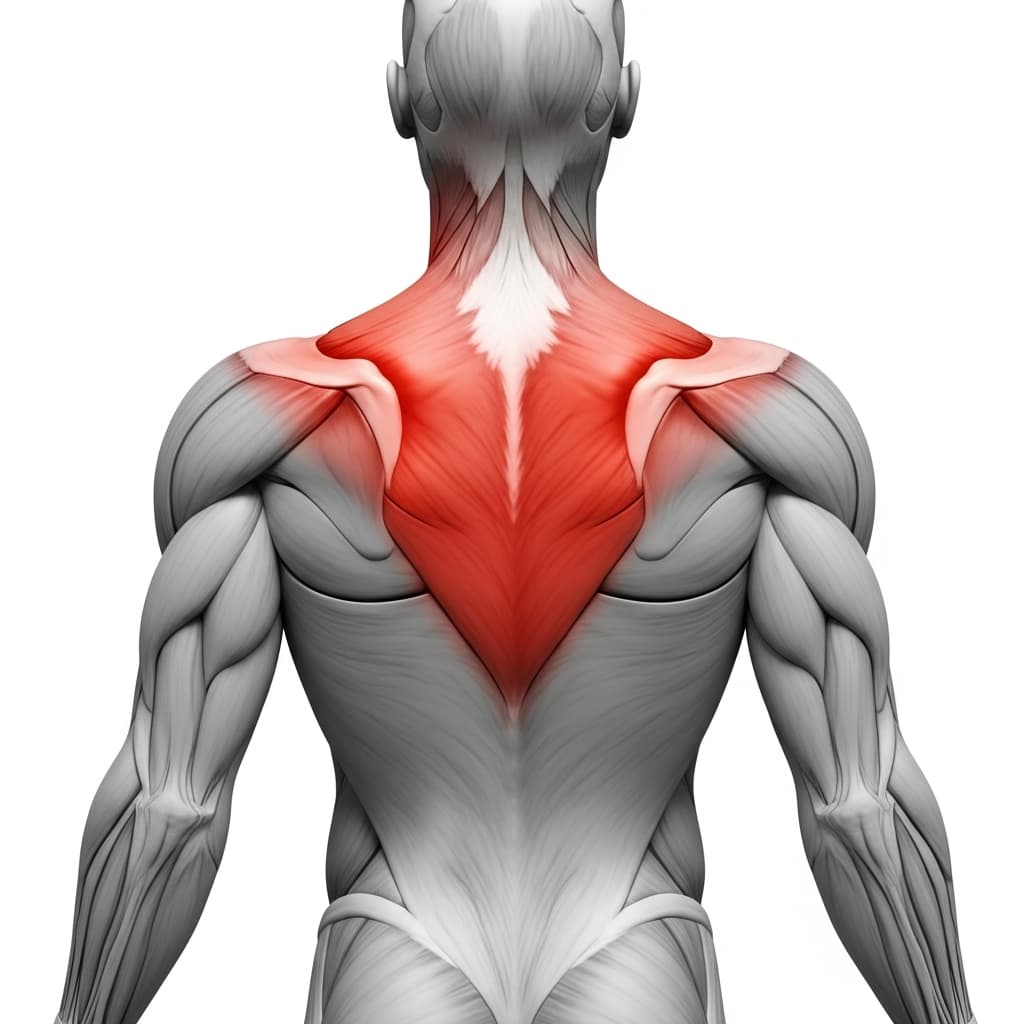
Secondary Muscles:
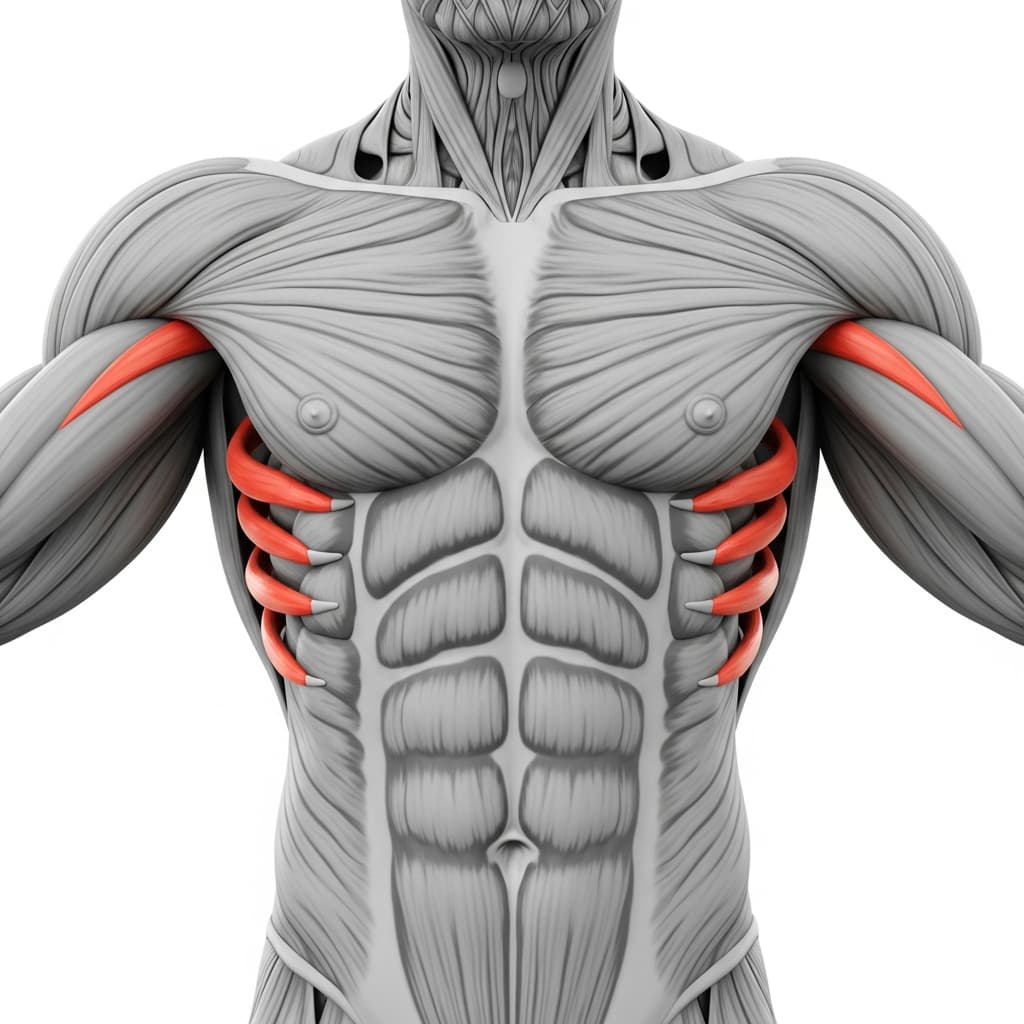
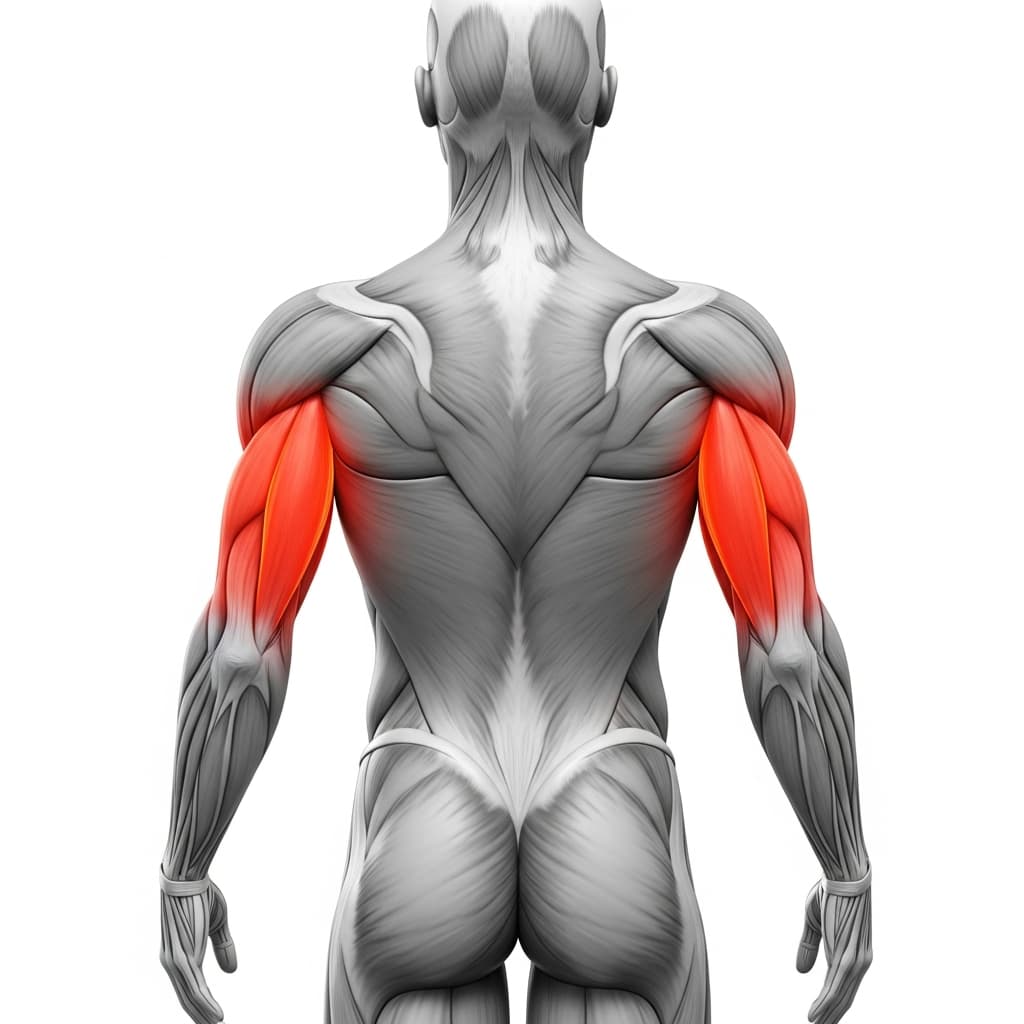
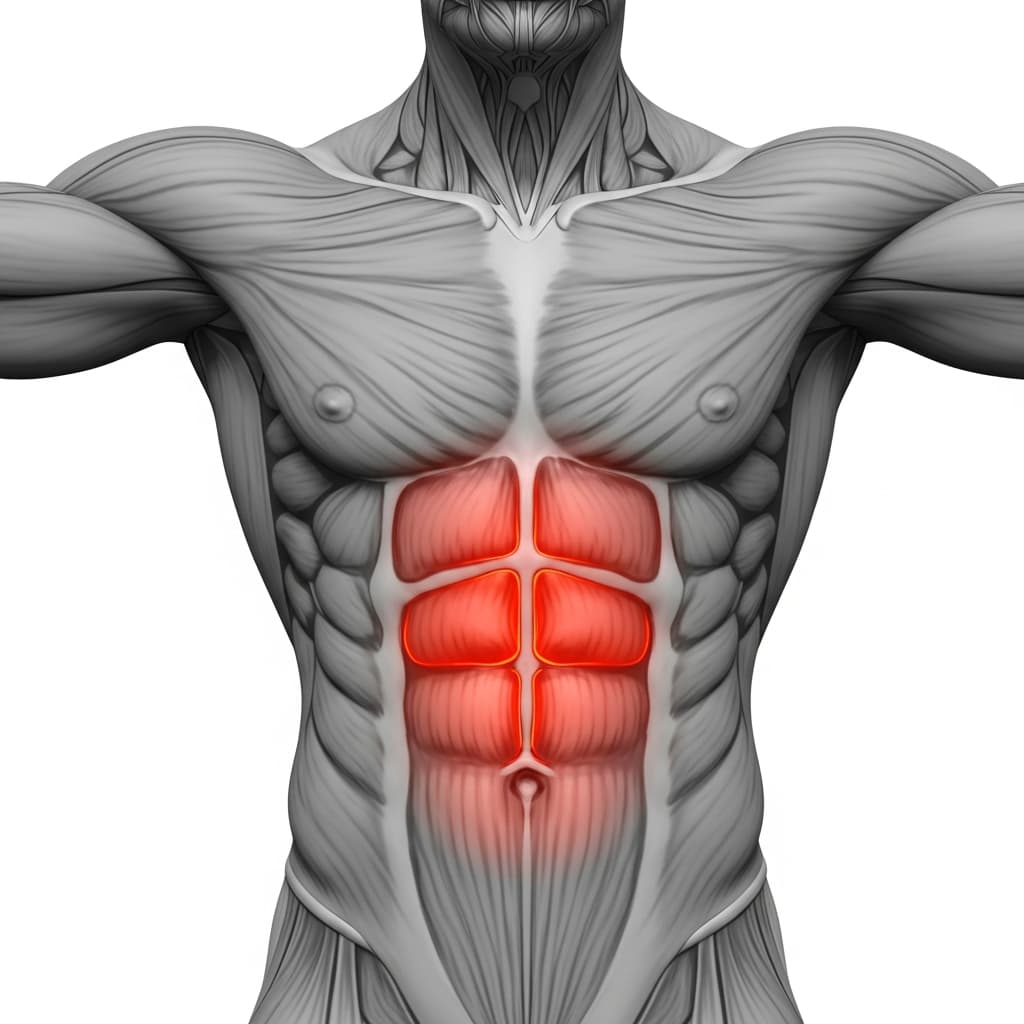
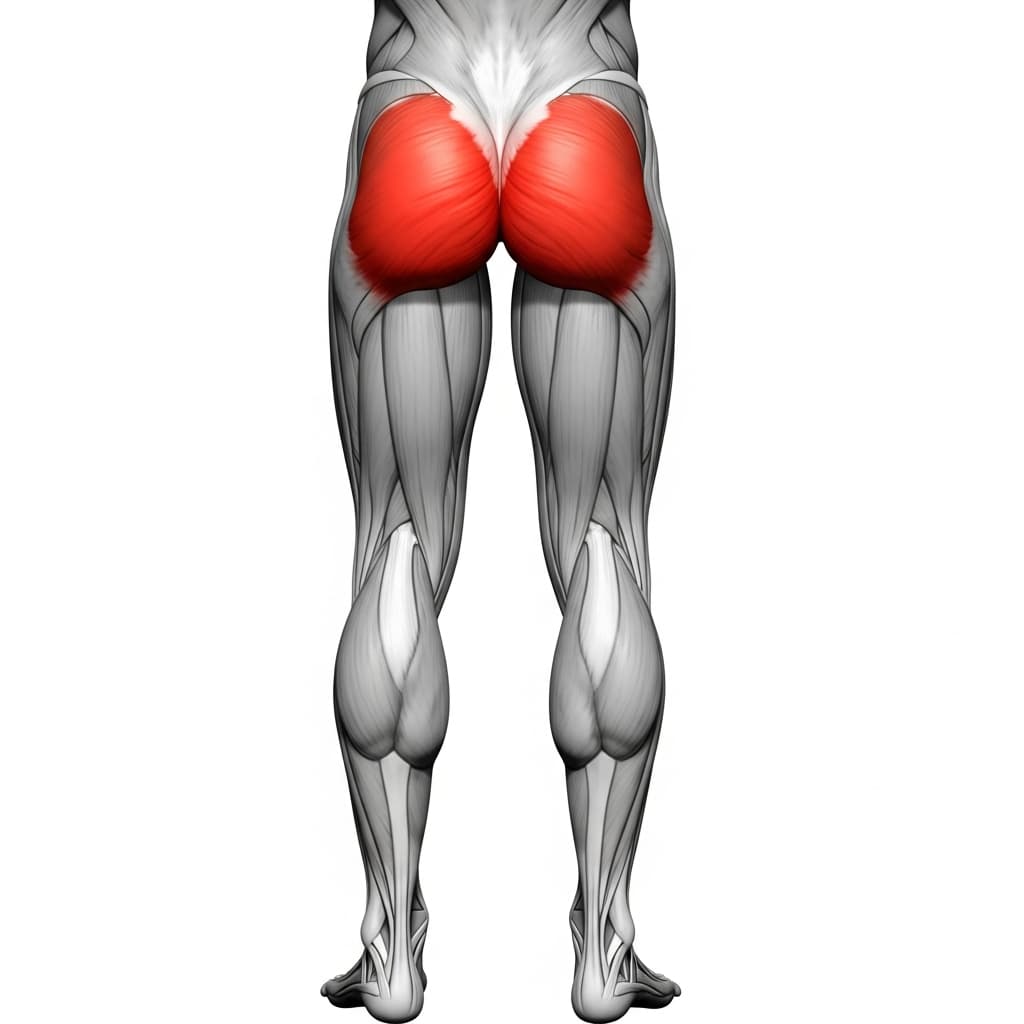
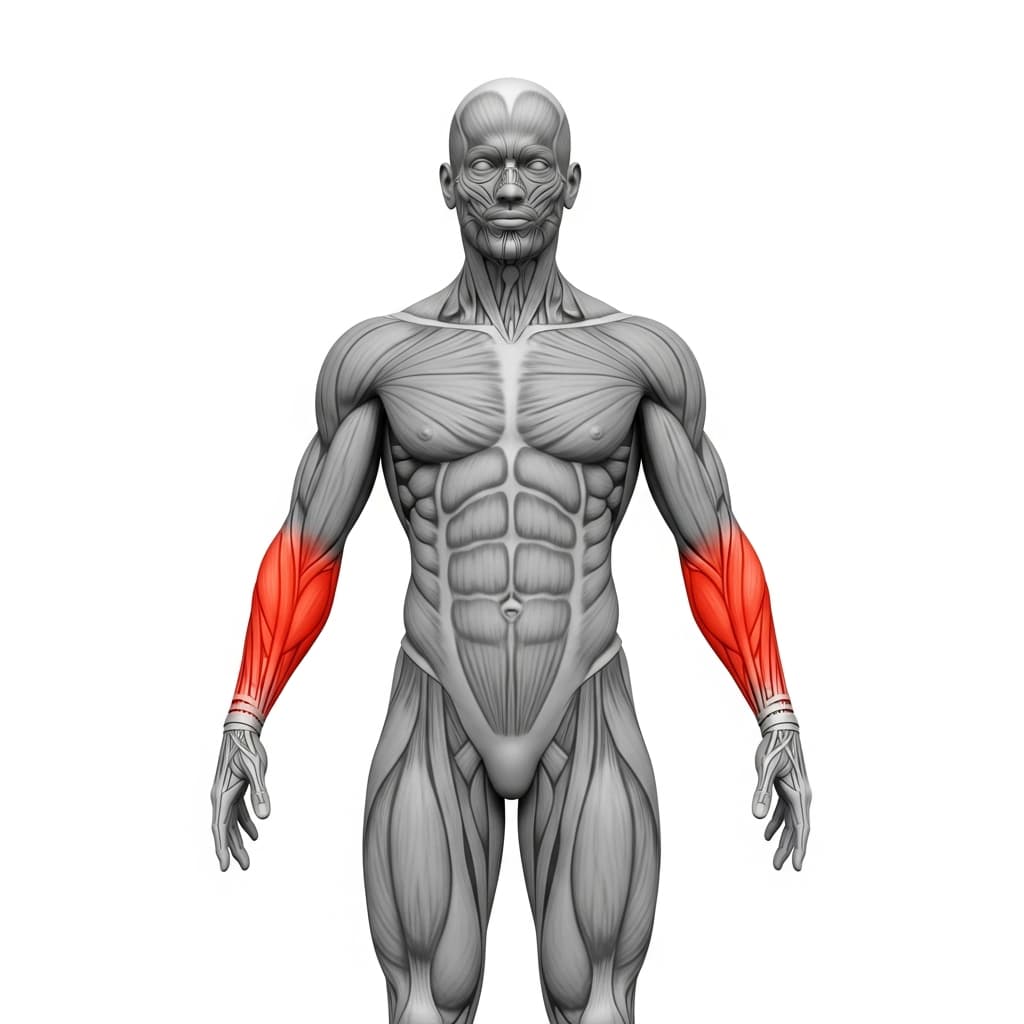
Primary Muscles
Anterior Deltoid (Front Deltoid) - The front deltoids carry the lean, holding your weight as the shoulders move forward past your hands with the arms almost overhead, the angle where most people are weakest.
Trapezius (Trapezius) - The trapezius lifts the shoulders toward your ears, which is what pushing the shoulders off the ground means, and keeps you tall instead of sinking while you lean.
Secondary Muscles
Serratus Anterior (Serratus Anterior) - The serratus anterior holds the shoulder blades against the ribcage and rotates them upward with the traps, keeping the shoulders stable as you lean forward and push back.
Triceps Brachii (Triceps) - The triceps keep the elbows locked through the lean and the push back, which is what makes this a straight arm drill rather than a push up.
Rectus Abdominis (Abs) - The abs keep the ribs down and the core tight so your body stays in one line and does not arch as the feet come off the wall.
Gluteus Maximus (Glutes) - The glutes stop the hips from tipping or folding, so the hips stay in line with your shoulders and feet through every rep.
Forearm Flexors & Extensors (Forearms) - The forearms and fingers work against the floor to steady you, most of all at the top of the rep when the wall is no longer touching your feet.
Benefits of Advanced Wall Handstand Press Lean
- Trains the order a straight arm press needs, lean first and lift second, while the wall is still there for your feet.
- Builds straight arm shoulder strength with the arms close to overhead, the angle where the shoulder is weakest and where the press happens.
- Teaches you to feel your feet go light from the lean alone, the same moment as toe off in a real press.
- Practices the finish of the press, pushing the shoulders back over the hands into a straight handstand.
- Bridges the gap between the regular wall press lean and your first freestanding press drills.
Who Is This Exercise For?
You should be able to hold a chest to wall handstand with locked elbows, a tight core and your legs together, and be comfortable with the regular Wall Handstand Press Lean. A good sign you are ready is that your feet start to drift off the wall when you lean further in that drill. Warm up your wrists first, since they stay in deep extension for a long time.
Common Mistakes to Avoid
Kicking the feet off the wall: The lean is what should take the feet off. If they only leave when you kick, you are practicing a kick instead of a press, so hold the lean a little longer and let the feet go light on their own.
Bending the elbows to get up: This is a straight arm drill, so the elbows stay locked from the first lean to the handstand. If you feel them bend, lean further instead of pushing with the arms.
Arching the back or folding at the hips: Pull the ribs down, keep the glutes squeezed and hold one line from your hands to your feet. The lean comes from the shoulders, not from bending the body.
Hands too far from the wall: Standing too far out turns the drill into a planche, which is a different exercise. Walk your hands back in to about 20 to 25 centimeters from the wall.
Dropping the feet back into the wall: Lower the feet back to the wall under control instead of letting them drop. Keep the body tight and the elbows locked until the toes touch, then set up for the next lean.