Low Straight Bar Hang
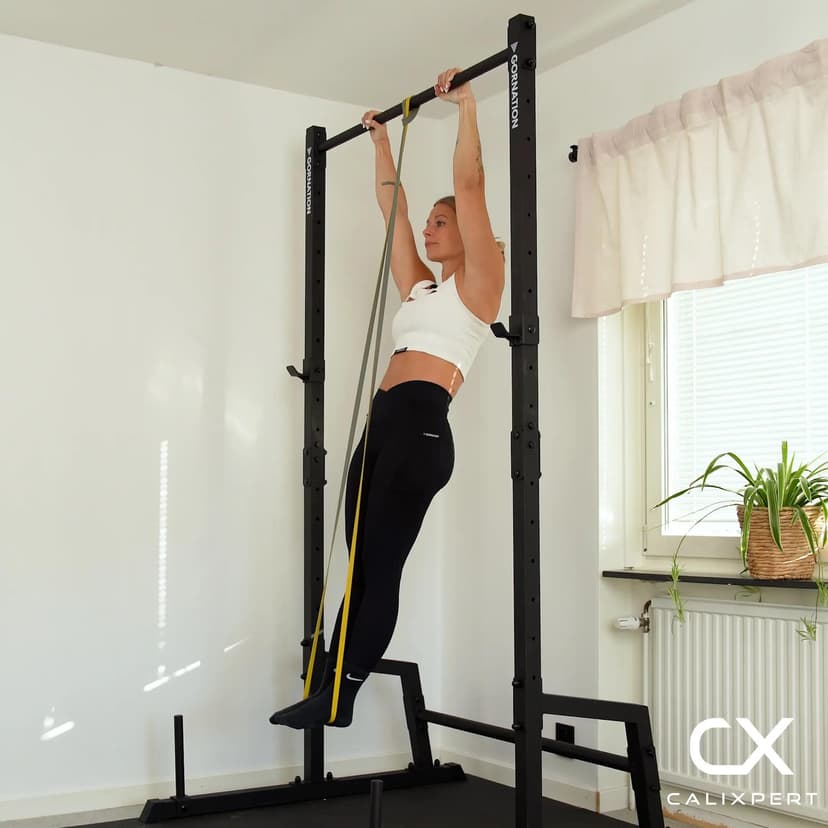
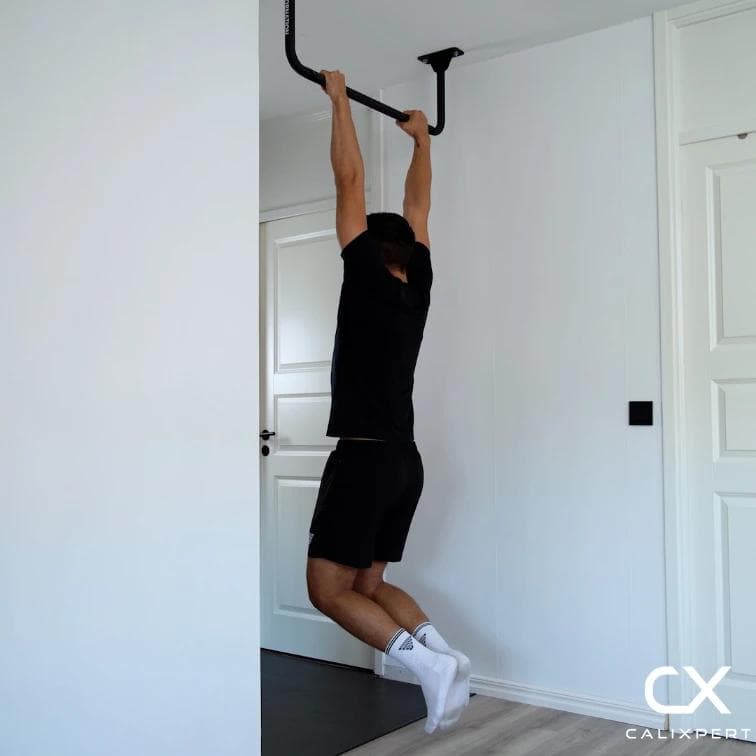
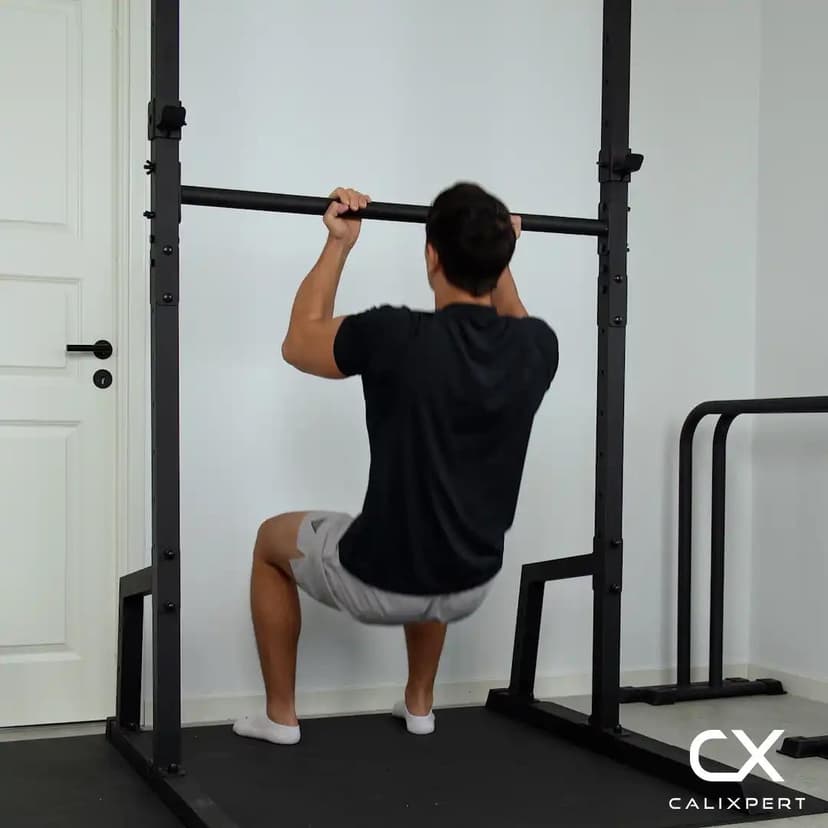
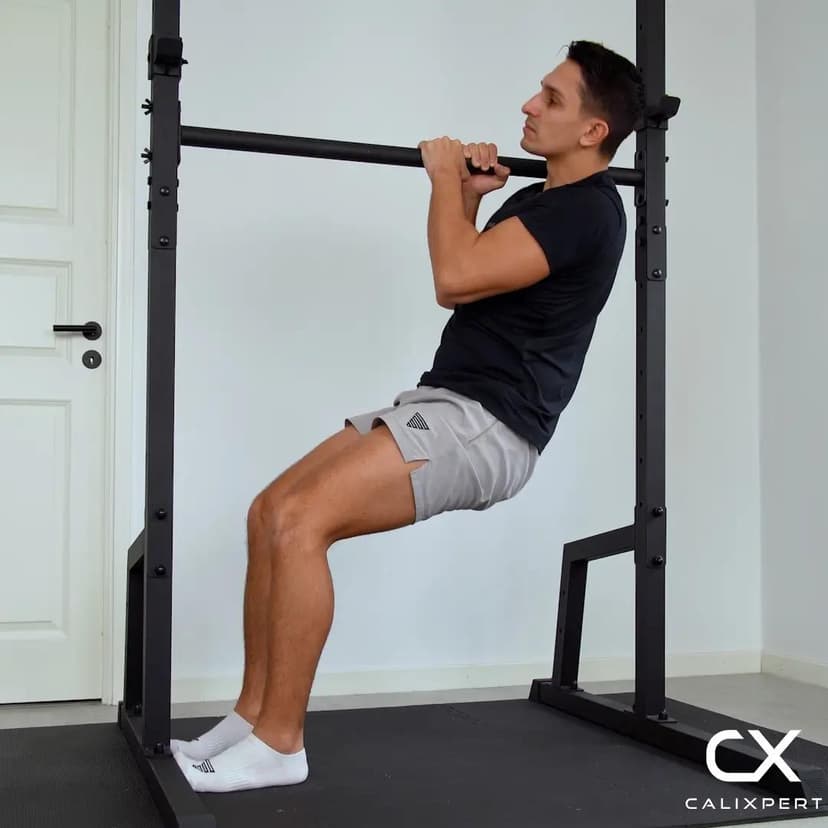
The low straight bar hang is a beginner grip exercise where you hang under a bar at about hip height with straight arms while your feet stay on the floor. The key is a strong grip with your thumbs around the bar and relaxed shoulders, so your hands do the holding. Because your feet carry part of your weight, it builds grip and shoulder endurance for pulling before you can hold your full bodyweight in a dead hang.
The low straight bar hang is a beginner grip exercise where you hang under a bar at about hip height with straight arms while your feet stay on the floor. The key is a strong grip with your thumbs around the bar and relaxed shoulders, so your hands do the holding. Because your feet carry part of your weight, it builds grip and shoulder endurance for pulling before you can hold your full bodyweight in a dead hang.
How to Do Low Straight Bar Hang
1. Find A Bar At Hip Height
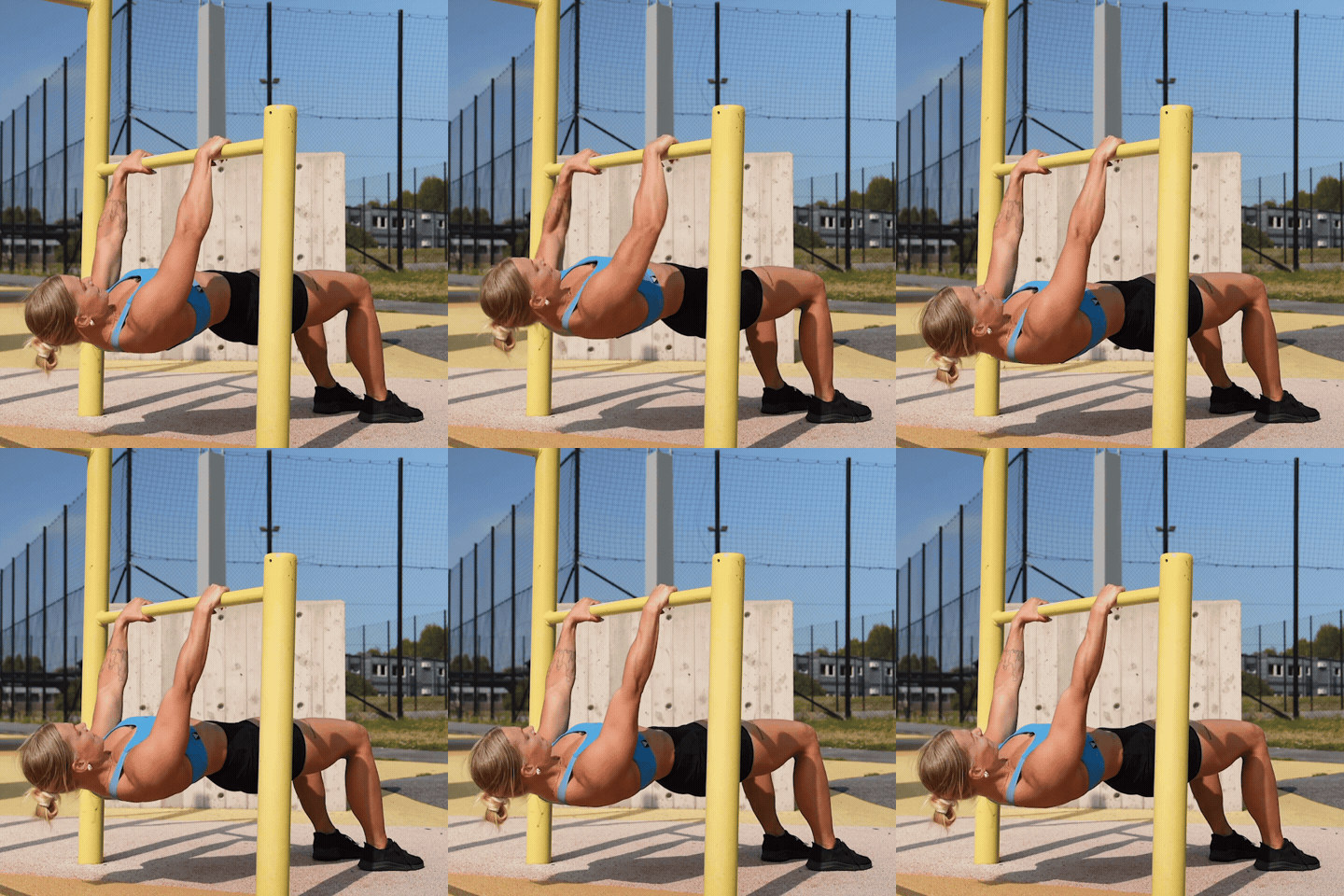
Find a straight bar that is roughly at your hip height. It has to be low enough that you can step under it and keep your feet on the floor while you hang.
Bar roughly at hip height
2. Grab Just Outside Your Hips
Grab the bar with an overhand grip, with your hands slightly outside your hips. Wrap your thumbs around the bar instead of resting them on top. A full grip keeps your hands secure on the bar for the whole hold.
Thumbs around the bar
3. Step Under The Bar
Walk your feet forward and lower yourself under the bar until your arms are straight. Your feet stay on the floor and carry part of your weight. Keep your arms straight from here until the end of the hold.
Arms straight, feet on the floor
4. Bend Or Straighten Your Legs
Hang with your legs bent or with your legs straight. Both versions work, so pick the one where you can hold the position with control. Keep your feet planted so your body stays still.
Feet planted, body still
5. Squeeze The Bar And Hang
Squeeze the bar and hang. Keep your shoulders relaxed and let your grip do the holding. Aim for 20 to 30 seconds per set.
Squeeze hard, shoulders relaxed
Are you over 30 and struggling with pull-ups, handstands or muscle-ups?
We have helped thousands of people master these skills, and we will help thousands more. If you want a systematic and supportive approach to your calisthenics goals, Calixpert is the platform for you.
Start 7-day free trialMost people want to skip straight to the dead hang and then lose their grip after a few seconds. Start here with your feet on the floor, wrap your thumbs around the bar and squeeze it hard. Come back to this hang whenever your grip, not your back, is what stops your pulling.
Muscles Worked During Low Straight Bar Hang
Primary Muscles:
Secondary Muscles:
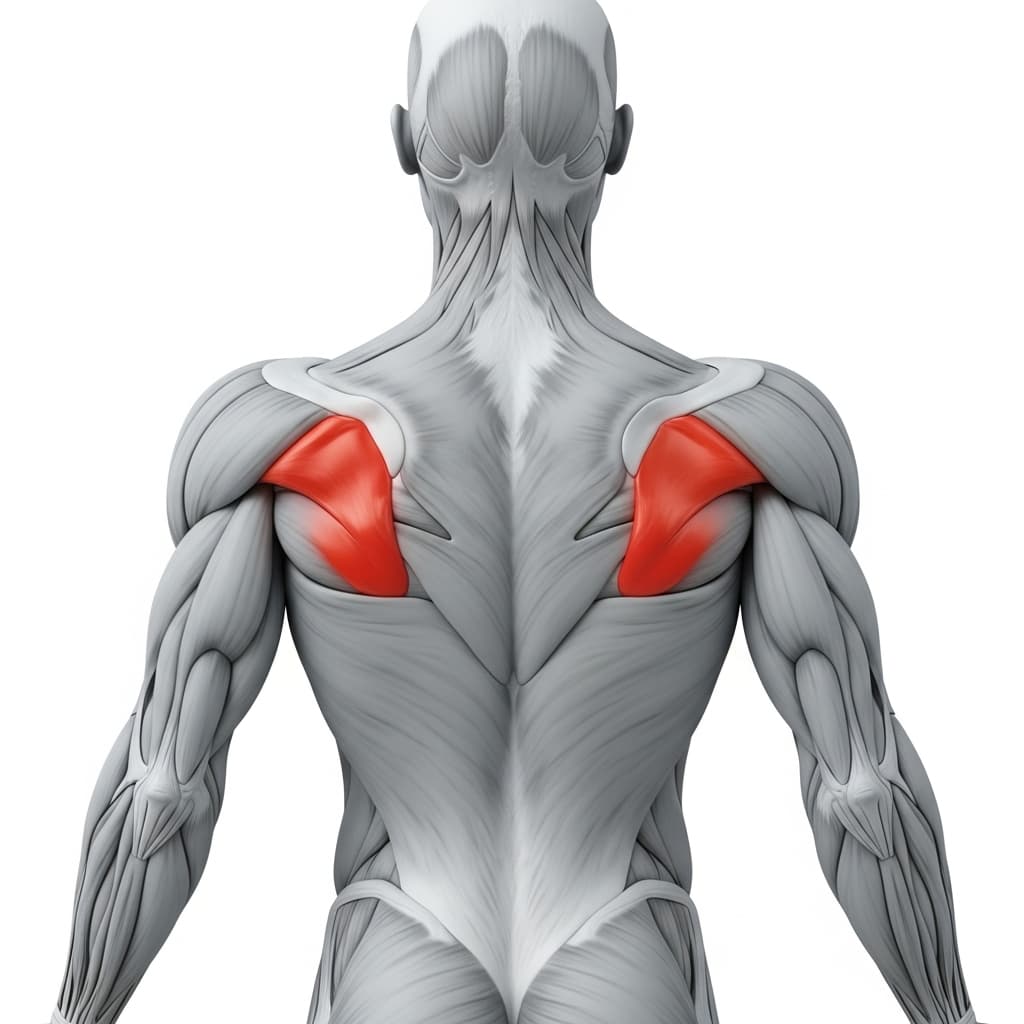
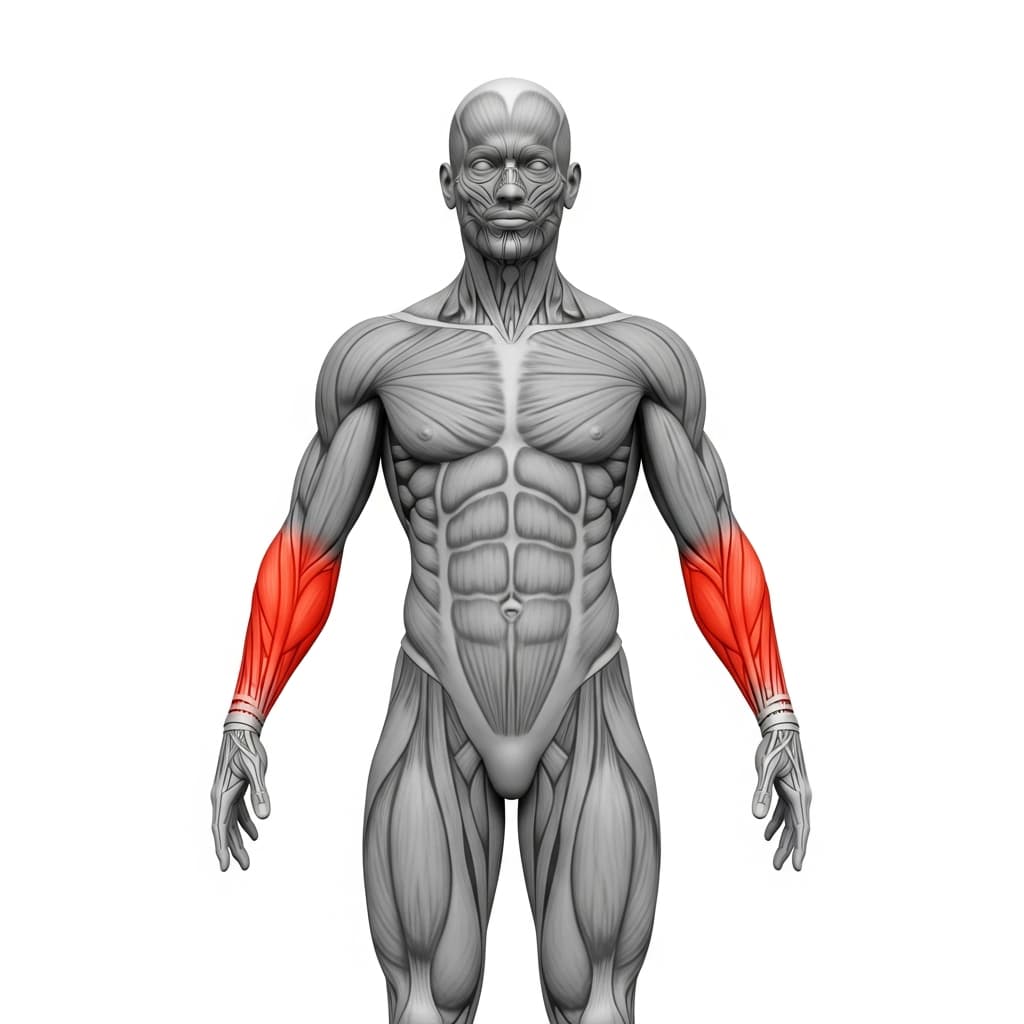
Primary Muscles
Forearm Flexors & Extensors (Forearms) - The forearms and fingers do most of the work, squeezing the bar so you can hold on for the full 20 to 30 seconds.
Secondary Muscles
Rotator Cuff (SITS) (Rotator Cuff) - The rotator cuff keeps your shoulder joints steady while your straight arms carry part of your bodyweight under the bar.
Benefits of Low Straight Bar Hang
- Builds grip endurance with only part of your bodyweight in your hands, before you can hang with your feet off the floor
- Builds the grip and shoulder endurance that pull ups, rows and every other pulling movement depend on
- Gets your body used to hanging from a bar safely and comfortably, one step at a time
- Gives you a clear target, 3 sets of 20 to 30 seconds with control, before you move on
- Needs only a straight bar at about hip height and no other equipment
Who Is This Exercise For?
There are no strength requirements, and this is the place to start if you cannot yet support your bodyweight on a bar for long. You need a straight bar at about hip height that you can step under. Once you can hold 3 sets of 20 to 30 seconds with control, you are ready to move on.
Common Mistakes to Avoid
Resting the thumbs on top of the bar: Wrap your thumbs around the bar on every set. Without them your hands sit less securely, and the grip is the part this exercise trains.
Bending the arms: Keep your arms straight for the whole hold. Bent arms turn the hang into a pulling hold and take the work away from your grip.
Tensing the shoulders up: Keep your shoulders relaxed and let your hands do the holding. The goal is a strong grip, not a tense upper body.
Moving on too early: Stay with this hang until you can do 3 sets of 20 to 30 seconds with control. Then move on to a harder hang.