Pike Compression Lift
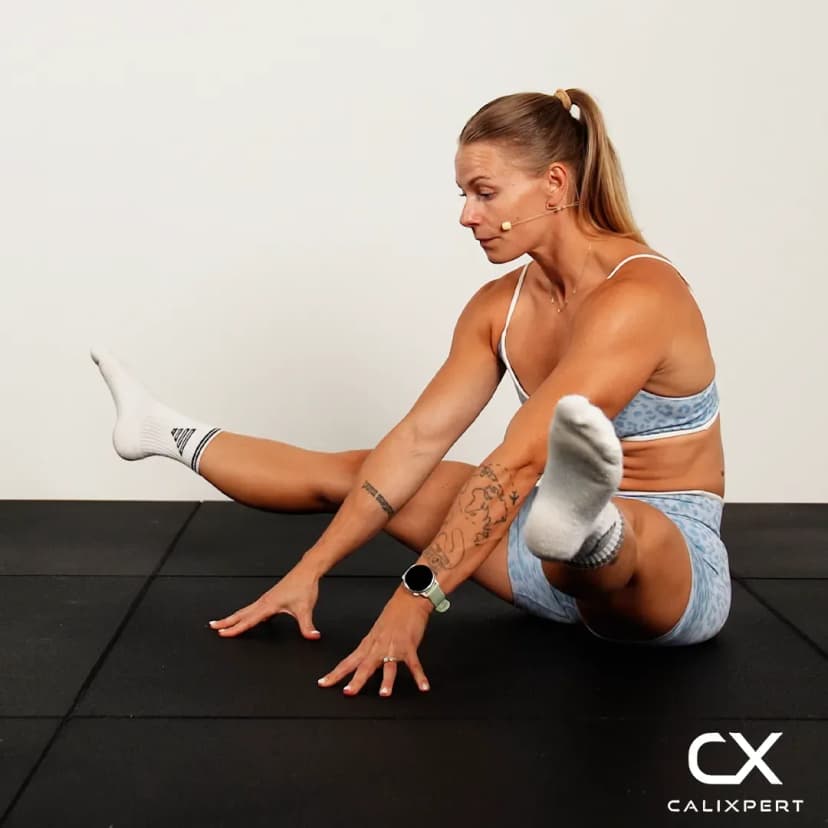
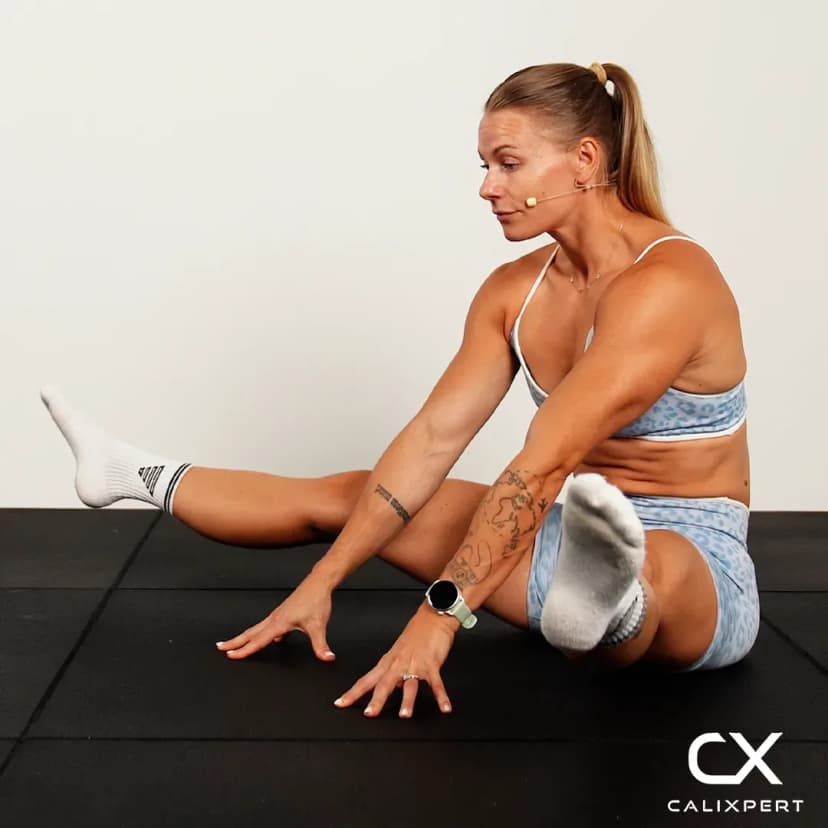
The pike compression lift is a seated drill where the hip flexors and deep core lift your straight, pressed-together legs off the floor for reps, without momentum or rocking. You lean your upper body forward as far as you can with a straight back and keep it still, which closes the hip and makes the lift harder than upright Pike Pulses. That fold is compression, the strength behind the L-sit, V-sit and handstand press, and the reps set it apart from the Pike Compression Hold.

The pike compression lift is a seated drill where the hip flexors and deep core lift your straight, pressed-together legs off the floor for reps, without momentum or rocking. You lean your upper body forward as far as you can with a straight back and keep it still, which closes the hip and makes the lift harder than upright Pike Pulses. That fold is compression, the strength behind the L-sit, V-sit and handstand press, and the reps set it apart from the Pike Compression Hold.
How to Do Pike Compression Lift
1. Sit In A Pike
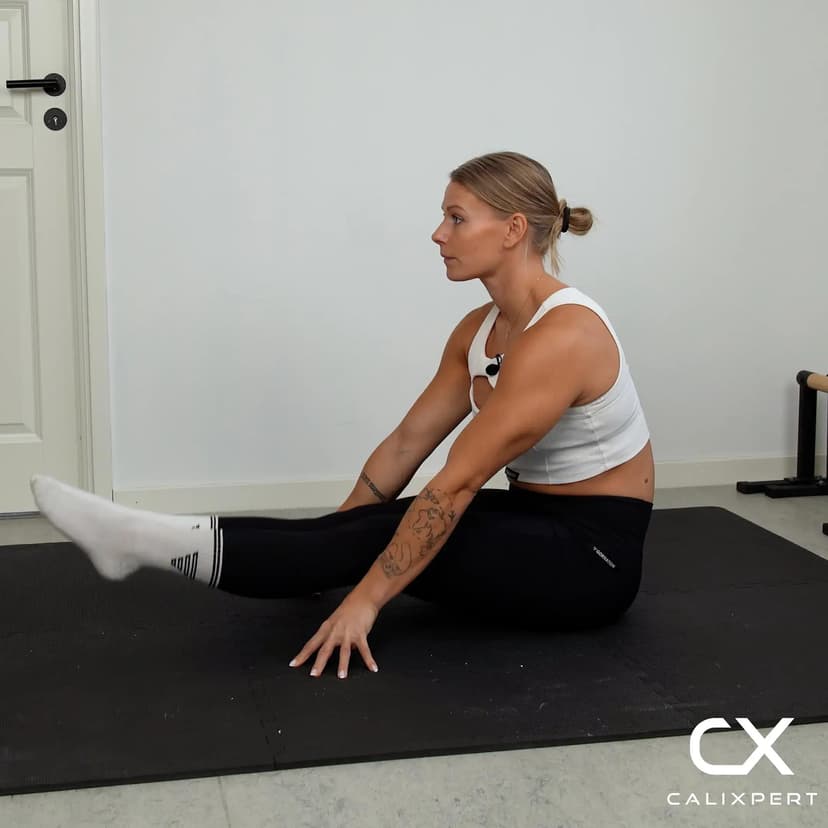
Sit on the floor with your legs straight out in front of you and pressed together. Lock the knees so the legs stay completely straight for the whole set.
Legs together, knees locked.
2. Place Your Hands At Your Knees
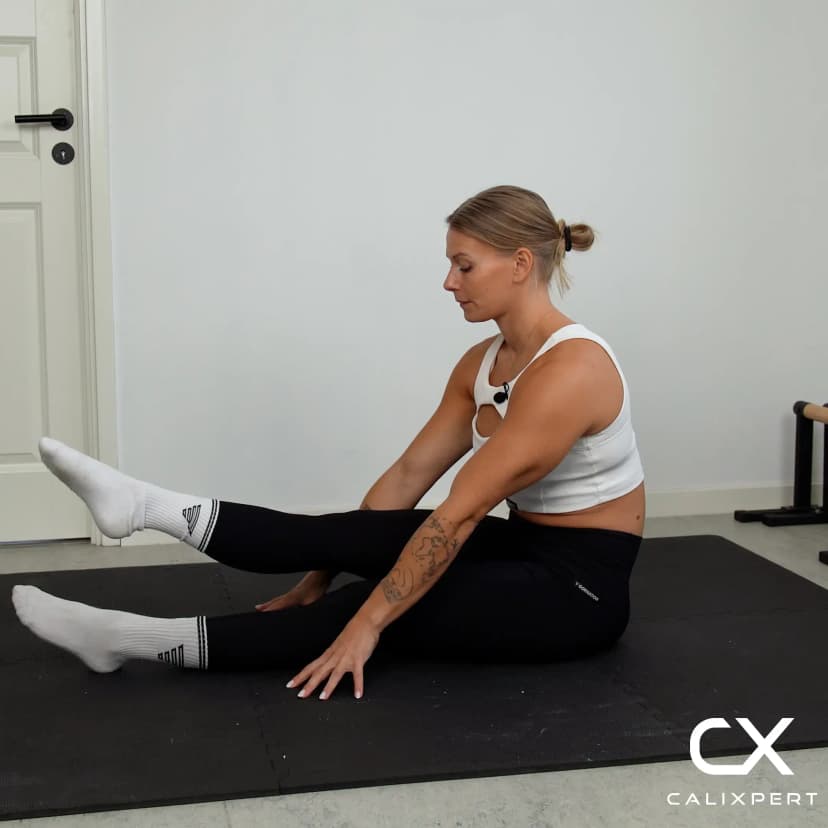
Put your fingertips on the floor just outside your knees, level with them, with your arms straight. This is a good starting point. If the lift feels too easy, move the hands further forward, and if it is too hard, move them back a little.
Hands level with the knees.
3. Suck In The Core
Draw your belly button in toward your spine before the first lift and keep it there. This switches on the deep abs and creates the compression the lift comes from.
Belly button to spine.
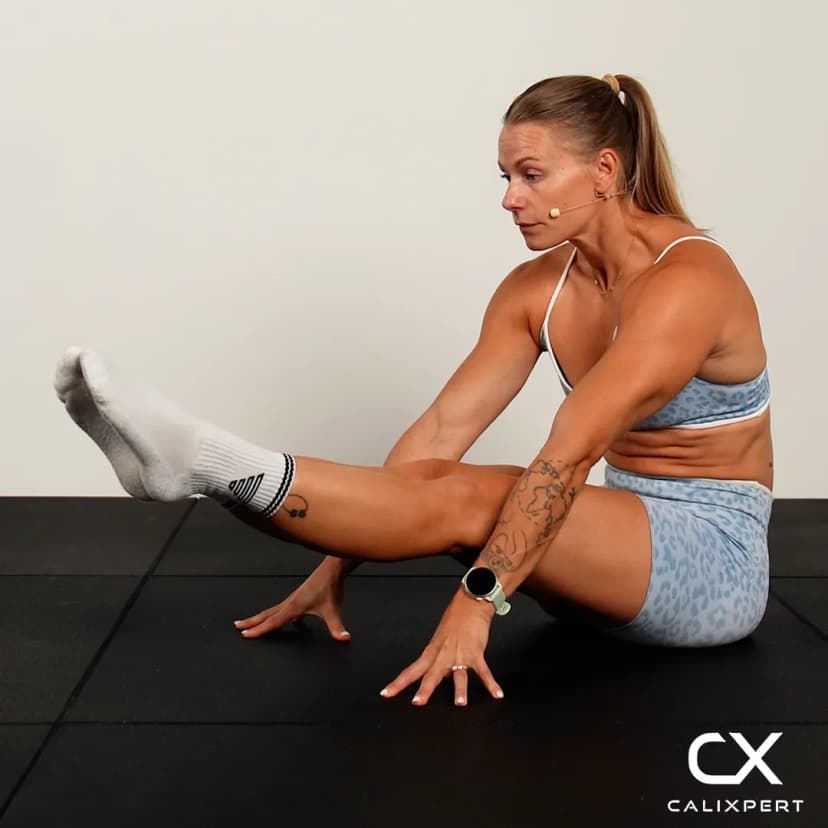
4. Lean Forward With A Straight Back
Lean your upper body forward as far as you can while keeping it straight. Once you are there, the upper body does not move again for the rest of the set.
Lean forward, then freeze.
5. Lift Your Heels
Lift both straight legs off the floor so the heels leave the ground, using only your hip flexors and deep core. No momentum, no rocking back and no kick. The legs rise while everything above the hips stays exactly where it is.
Only the legs move.
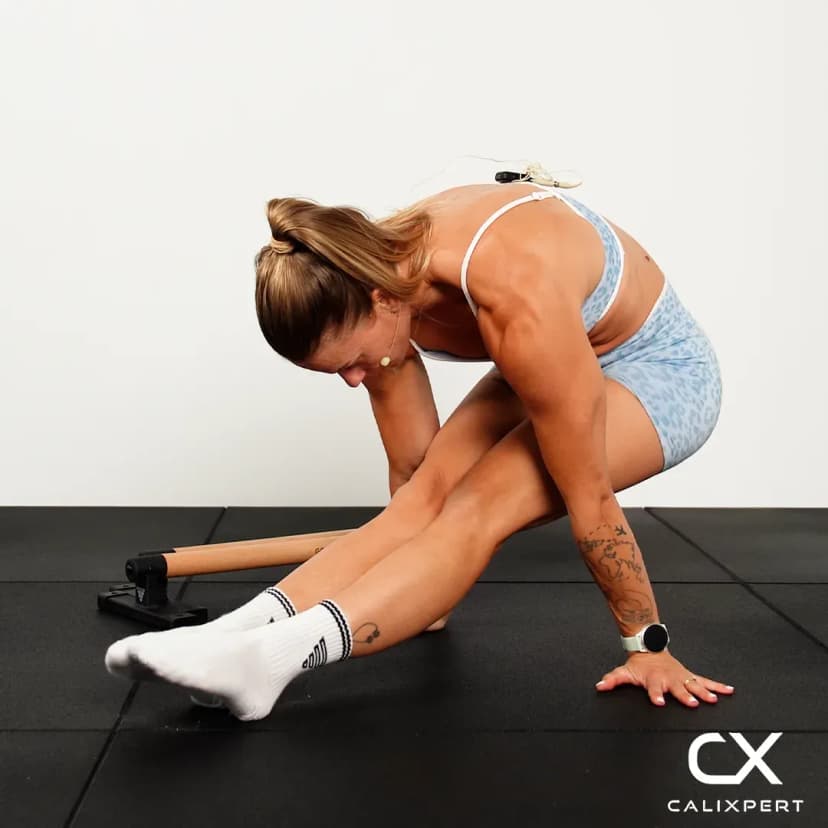
6. Lower With Control And Repeat
Lower the legs back down under control and let the heels touch down lightly, then lift again from the hips. End the set when the heels stop leaving the floor or when you start rocking to get them up.
Land light, lift again.
Set the upper body first: lean forward with a straight back and draw the belly in before the legs move. If the heels will not leave the floor, move the hands back a little instead of rocking or leaning back to rescue the rep. A clean lift from the hips builds more compression than a bigger one you rock into, and height comes with time.
Muscles Worked During Pike Compression Lift
Primary Muscles:
Secondary Muscles:
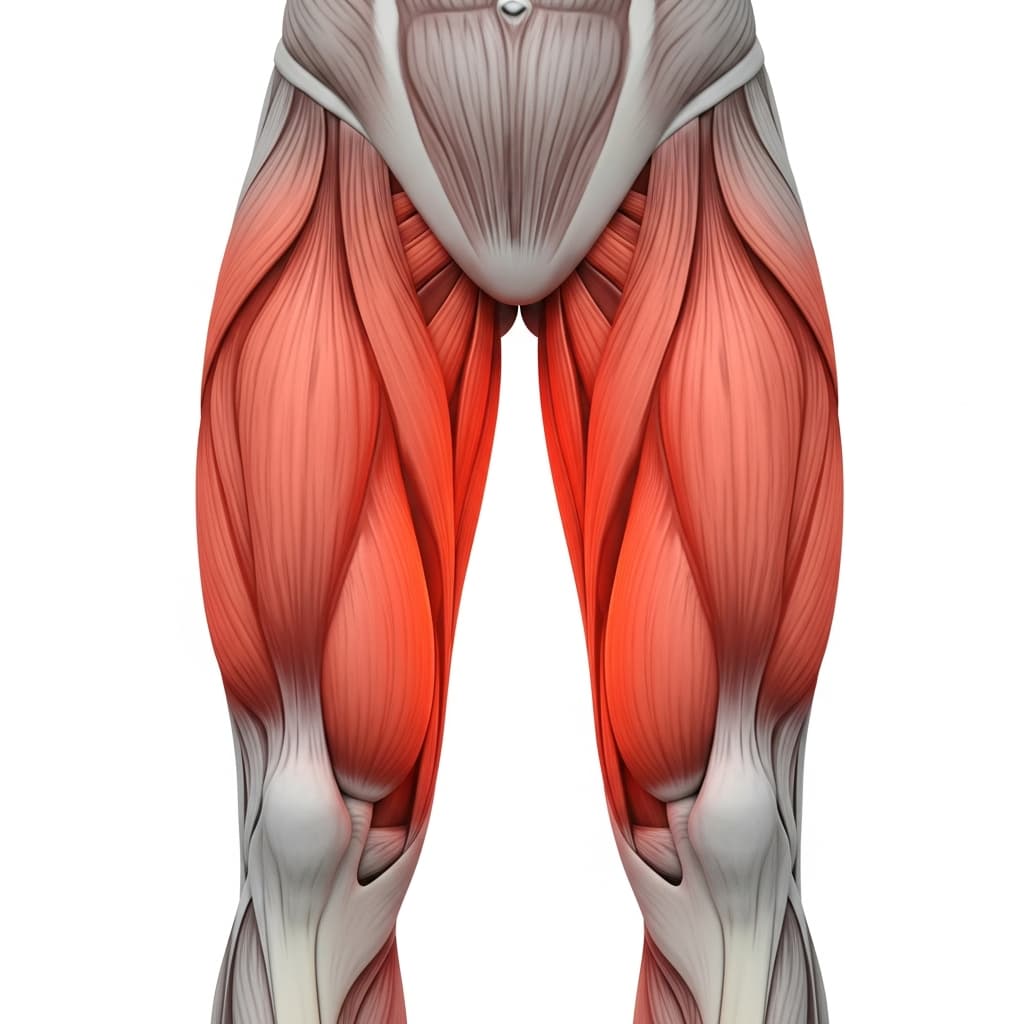
Primary Muscles
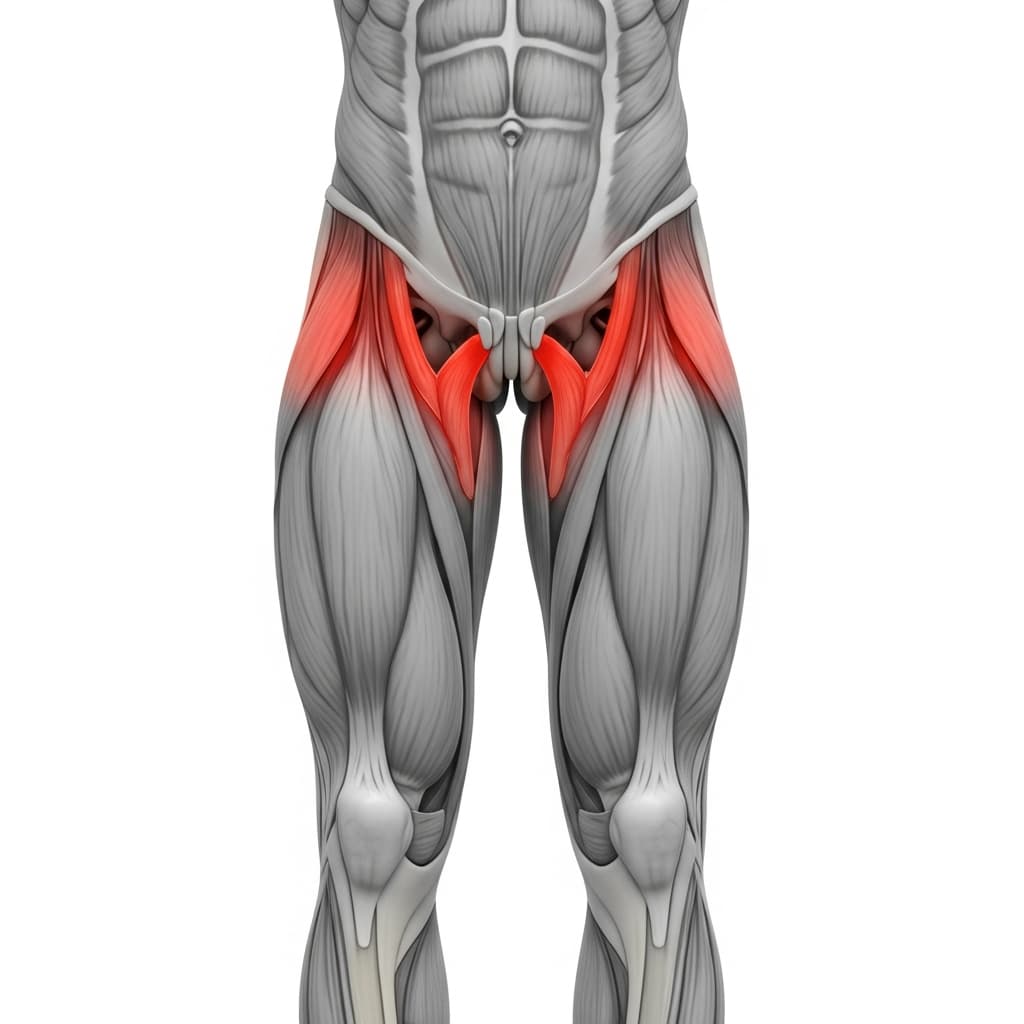
Iliopsoas (Hip Flexors) - The hip flexors lift the straight legs, and the forward lean makes them work with the hip already closed, as the press and L-sit demand.
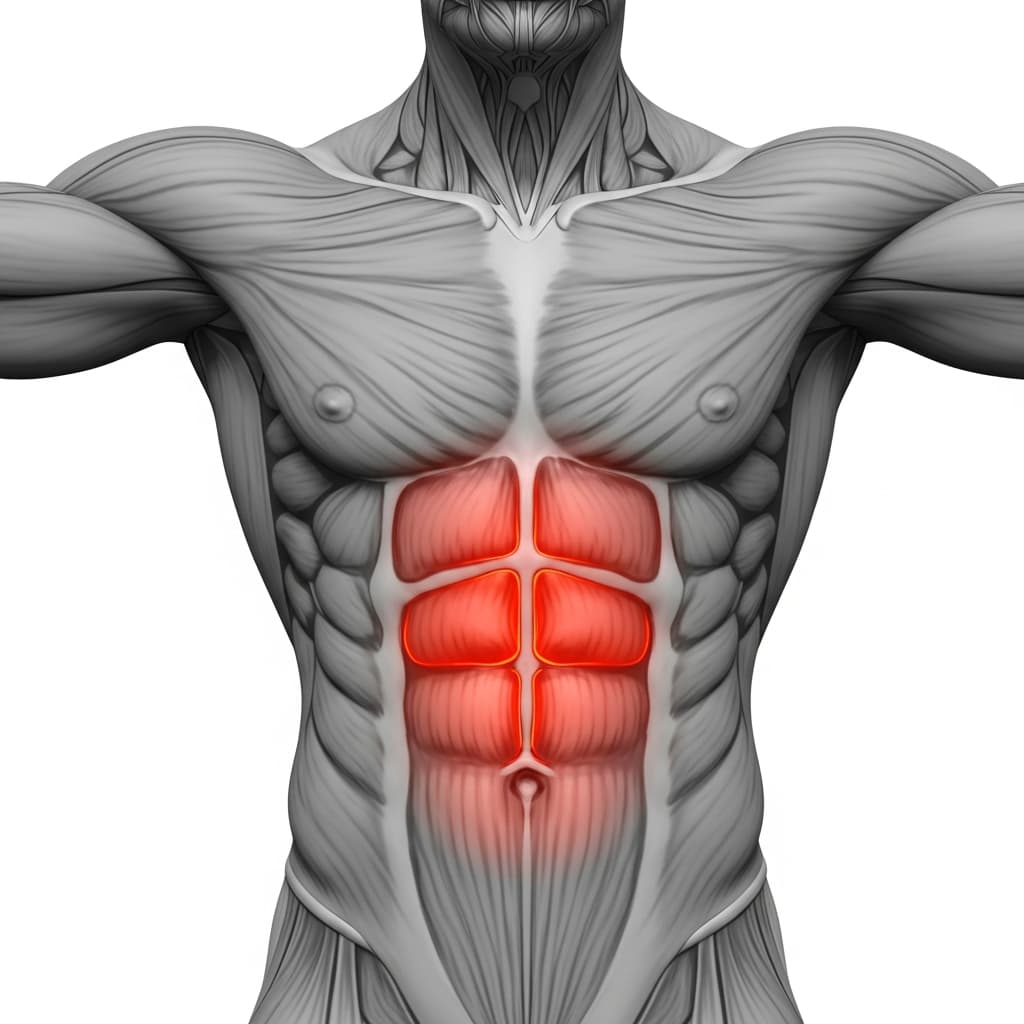
Rectus Abdominis (Abs) - The deep transverse abs draw the belly in and hold the torso still in the lean, which creates the compression and stops you from rocking.
Secondary Muscles
Quadriceps (Quads) - The quads lock the knees, and their rectus femoris also helps lift the leg at the hip, so the front of the thigh often works hard or cramps.
Benefits of Pike Compression Lift
- Builds compression for the handstand press, since the harder you can fold at the hip, the less you have to lean at toe off.
- Strengthens the hip flexors with the hip already closed in a forward lean, the range an L-sit and a V-sit ask for.
- Trains the deep abs to draw in and hold the torso still while the legs move, instead of letting the body rock.
- Works active flexibility in the pike, since the legs have to lift against the stretch in the backs of the legs.
- Scales with one change and no equipment: move the hands forward to make it harder, back to make it easier.
Who Is This Exercise For?
All you need is a floor and the ability to sit with your legs straight and together, then lean forward from the hips without rounding the back. Tight hamstrings do not rule you out, but they make the lean and the lift harder. If your heels will not leave the floor with the hands level with your knees, move the hands back toward your hips a little until they do.
Common Mistakes to Avoid
Rocking the upper body to get the legs up: Keep the upper body still for the whole set so the legs do all the moving. If you can only lift by rocking or throwing the torso back, move your hands back a little until you can lift with the upper body still.
Sitting back instead of leaning forward: Leaning back opens the hip and makes the lift easier, removing the compression you are training. Lean forward as far as you can with a straight, still upper body, and move the hands back a little if the lift is too hard.
Rounding the back to get further forward: A rounded spine brings the chest down without folding more at the hip, so it hides how far you actually lean. Keep the upper body straight and lean from the hips, even if you do not get as far forward.
Bending the knees: Bent knees shorten the legs and make the lift easier than the straight-leg version you are training. Lock the knees and accept a smaller lift, because a clean lift from the hips matters more than height.
Letting the belly push out: Without the suck-in there is no compression and the lift turns into a leg kick. Draw the belly button toward the spine before the first rep and keep it drawn in for the whole set.