Pike Compression Hold
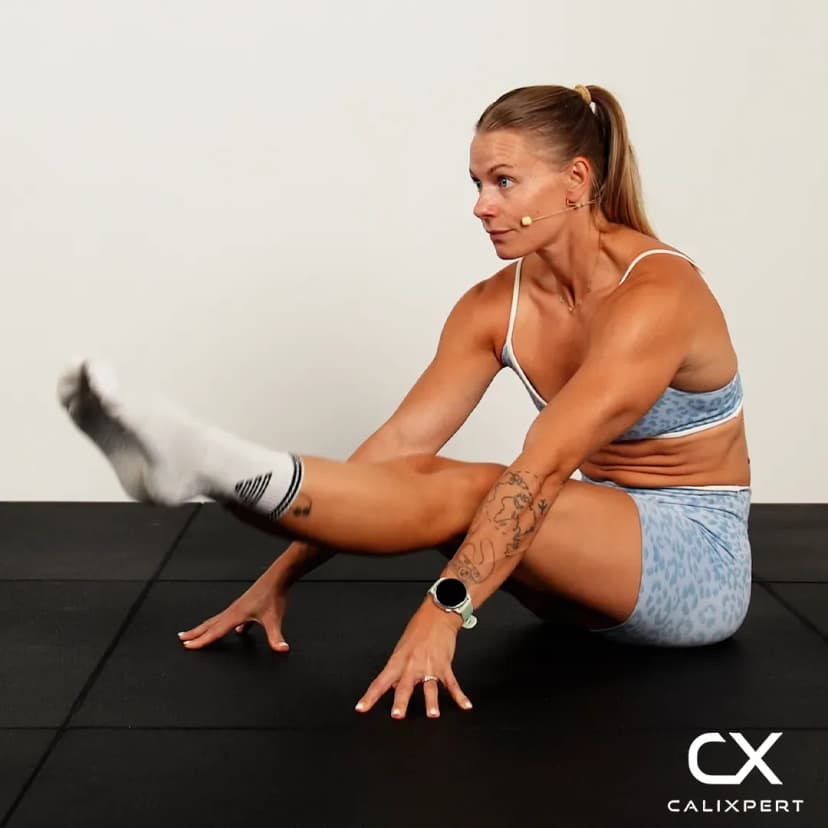
The pike compression hold is a seated pike compression lift that stops at the top: you lift your straight legs as high as you can and hold for a few seconds instead of doing reps. With your fingertips beside your knees and the upper body as still as possible, the height must come from the deep transverse abs and hip flexors, not from rocking back. It builds strength at the top of your fold, the position L-sits, V-sits and the press to handstand depend on.

The pike compression hold is a seated pike compression lift that stops at the top: you lift your straight legs as high as you can and hold for a few seconds instead of doing reps. With your fingertips beside your knees and the upper body as still as possible, the height must come from the deep transverse abs and hip flexors, not from rocking back. It builds strength at the top of your fold, the position L-sits, V-sits and the press to handstand depend on.
How to Do Pike Compression Hold
1. Sit In A Pike
Sit on the floor with both legs straight out in front of you and pressed together. The knees stay locked from here to the end of the set, because the legs have to stay straight for the whole hold.
Legs straight and together.
2. Set Your Fingertips At Knee Height
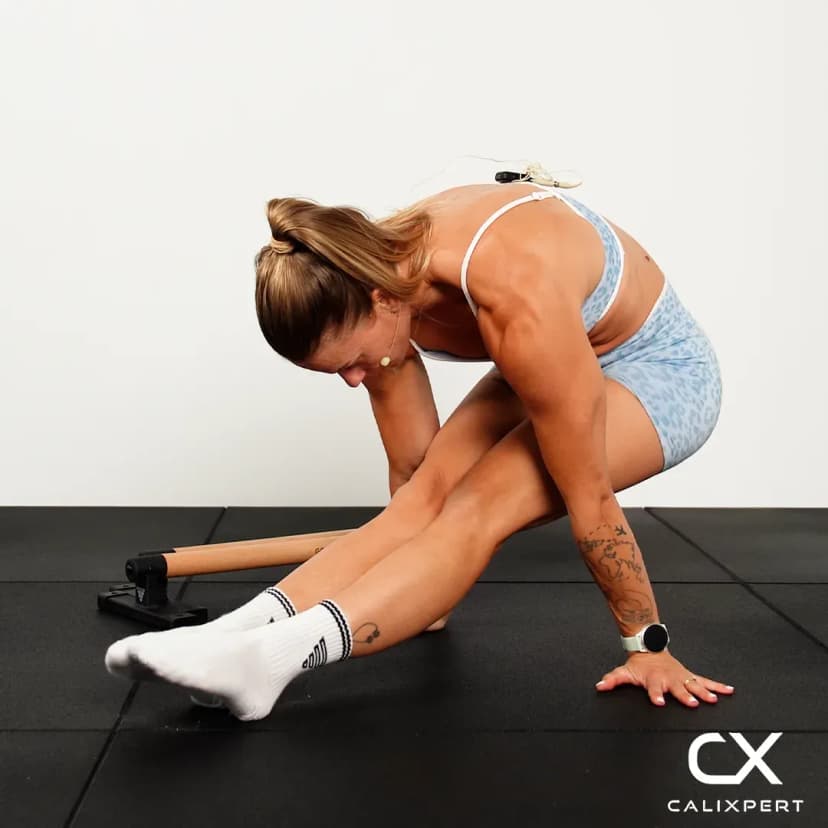
Place your fingertips on the floor on either side of your legs at around knee height. This is the place to start, and it keeps your upper body roughly vertical. If that turns out too easy, the hands go further forward next time, and if it is too hard they go further back.
Fingertips down by the knees.
3. Suck In The Belly Button
Draw your belly button in toward your spine to switch on the deep transverse abs. This is the core compression the exercise is built on, and it stays switched on at all times, from before the lift until the legs are back down.
Belly button to spine.
4. Lock The Upper Body
Fix your upper body in place before anything moves. It should stay as still as possible for the whole set, with no rocking back and no swing to throw the legs up. Only the legs move.
Torso still, no momentum.
5. Lift As High As You Can
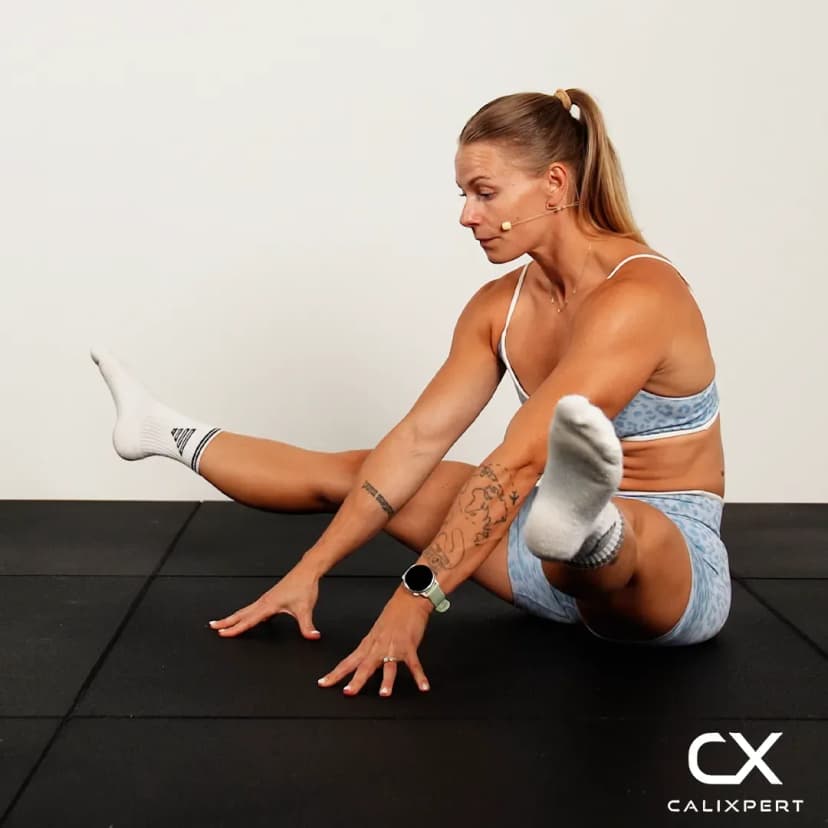
Lift both straight legs off the floor as high as you can, using the hip flexors and the deep core. Keep the knees locked and the belly pulled in on the way up. If the only way to get the legs up is to bend the knees or lean back, move your hands further back.
Straight legs, as high as possible.
6. Hold At The Top
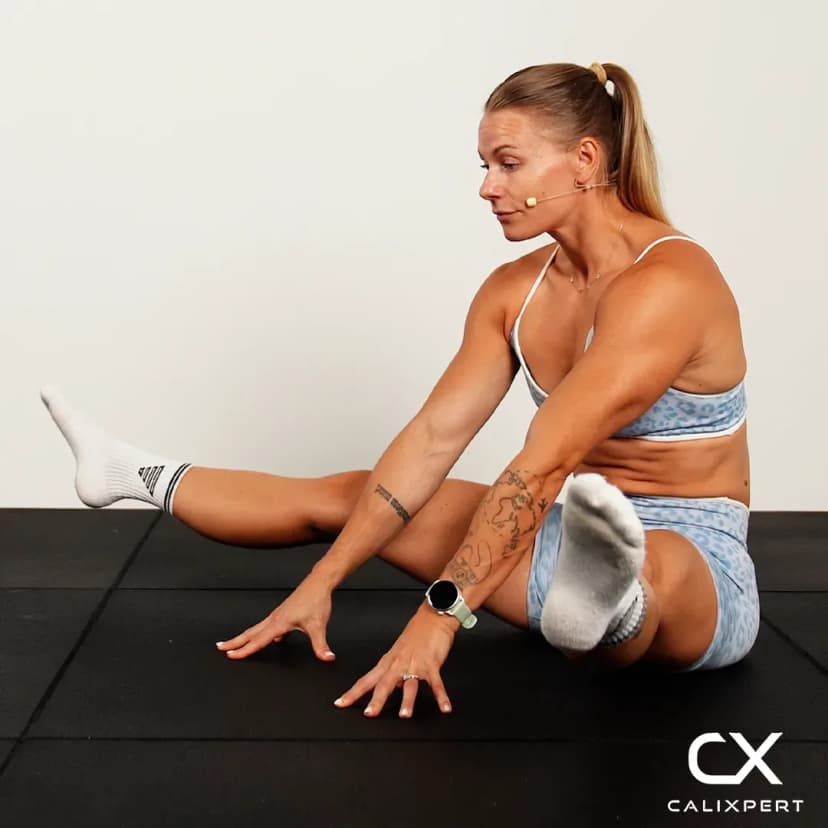
Stop at your highest point and hold there for a few seconds instead of lowering straight into another rep. If the legs start to sink or the torso starts to move before that, the hold is over. Lower the legs slowly at the end instead of letting them drop.
Freeze at the top.
The hold only counts at your real top position, so lift as high as the legs will go and freeze there instead of settling a little lower where it feels easier. Keep the belly button pulled in the whole time. The moment the legs start sinking or the torso rocks back to rescue them, lower the legs slowly and end the hold.
Muscles Worked During Pike Compression Hold
Primary Muscles:
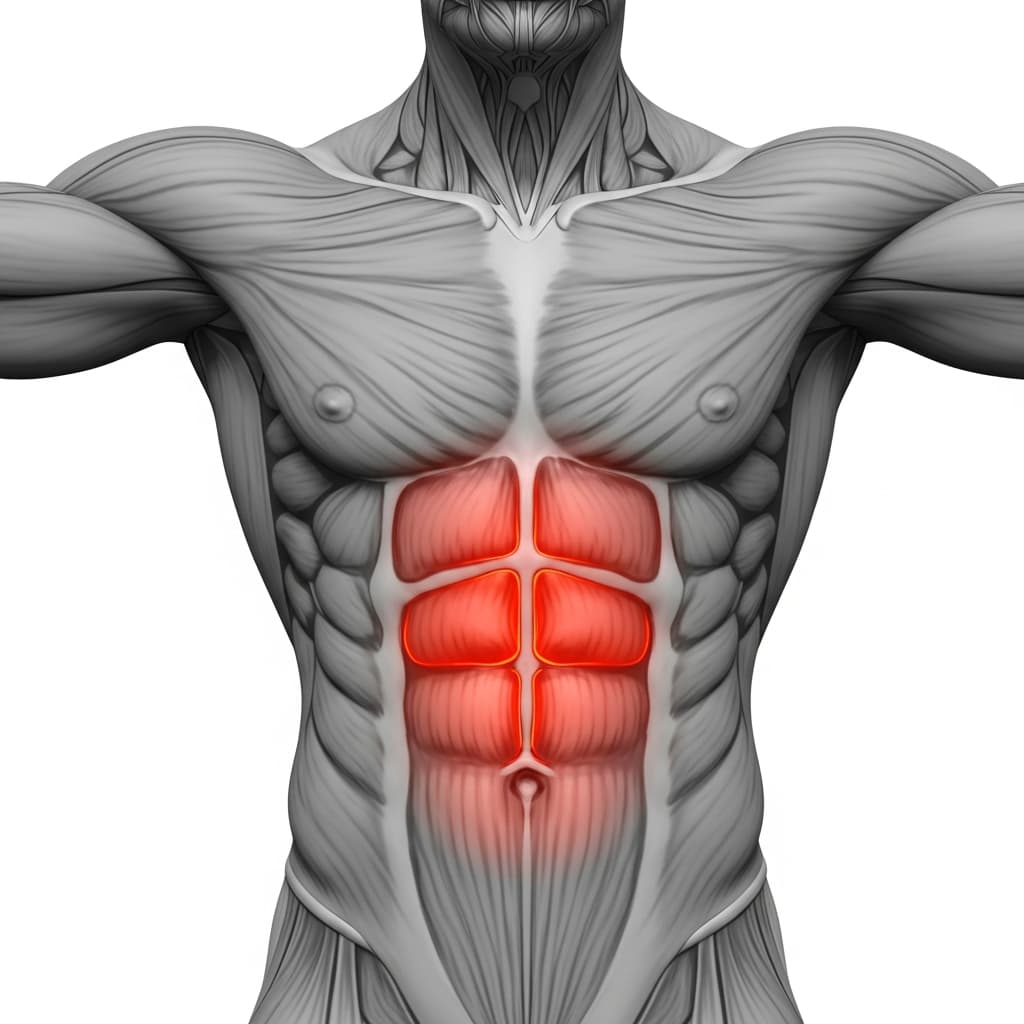
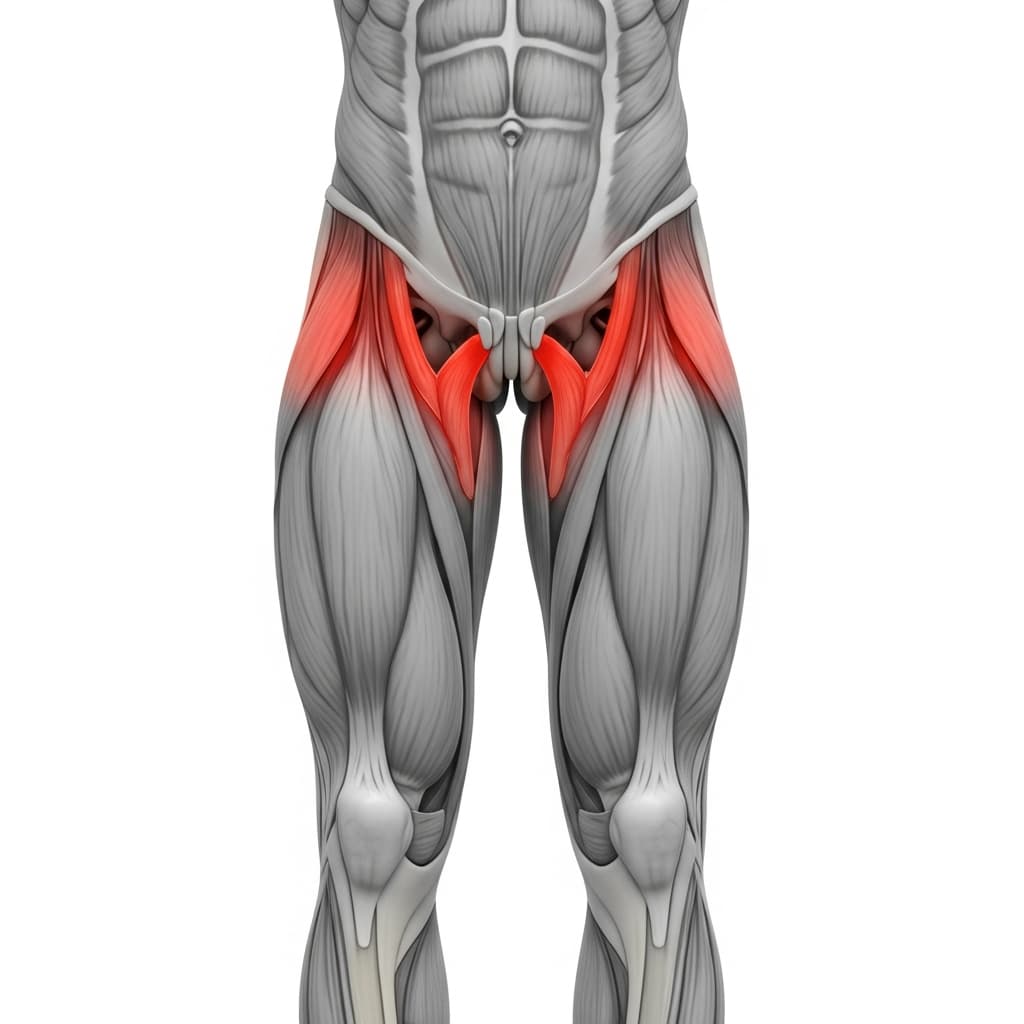
Secondary Muscles:
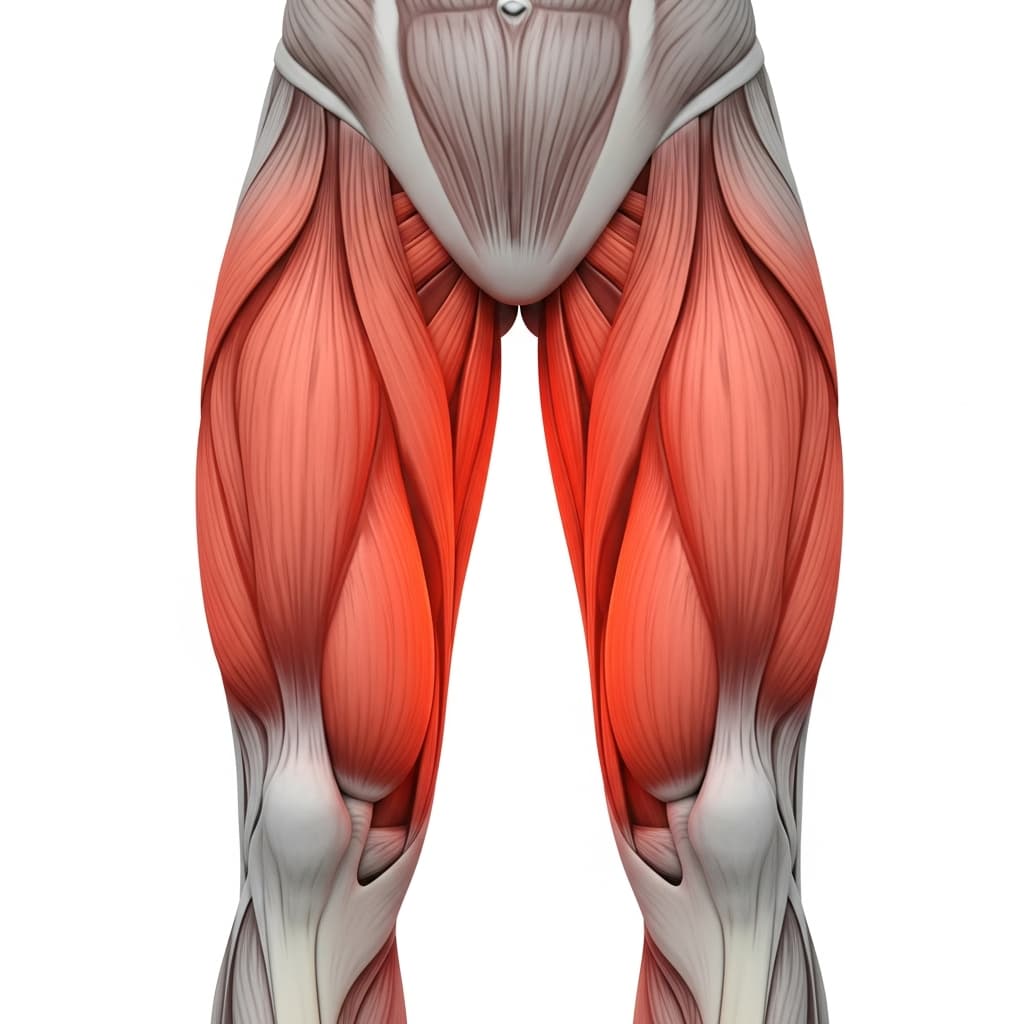
Primary Muscles
Rectus Abdominis (Abs) - The deep transverse abs create the compression, switching on as you suck the belly button in and holding the torso still with the legs up.
Iliopsoas (Hip Flexors) - The hip flexors lift the straight legs and hold them at the top, working in their shortest range, where they are usually weakest.
Secondary Muscles
Quadriceps (Quads) - The quads keep the knees locked for the whole hold, since soft knees make the hold easier than it should be.
Benefits of Pike Compression Hold
- Trains the deep transverse abs and hip flexors to hold straight legs up in a folded position, which is core compression.
- Builds strength at the top of your range, the short position where the hip flexors are usually weakest.
- Carries over to the L-sit, the V-sit and the pike press to handstand, which all rely on active compression.
- Teaches you to keep the upper body still while the legs do the work, instead of rocking to help them.
- Scales with hand placement alone, forward to make it harder and back to make it easier, with no equipment needed.
Who Is This Exercise For?
You should be able to sit with your legs straight and together and your upper body roughly upright, with no bent knees or slumped lower back. If sitting like that is a struggle, add pike stretching, since tight hamstrings pull against the hip flexors. Practicing Pike Pulses first helps you lift without rocking, and if the heels will not leave the floor at all, start with your hands further back.
Common Mistakes to Avoid
Leaning back to get the legs up: Rocking the torso back lifts the legs without the hips and deep core doing the work. Keep the upper body as still as possible, and if you cannot lift without leaning back, move the hands further back rather than rocking.
Bending the knees: Soft knees shorten the legs and make the lift easier than it should be. Lock the knees and keep the legs straight for the whole hold, even if that means the legs come up lower.
Letting the belly push out during the hold: If the belly pops out halfway through the hold, the deep core has let go. Draw the belly button to the spine before you lift and keep it there until the legs are down.
Holding below your real top position: It is tempting to settle a little lower, where the hold feels easier. Lift as high as you can first, then hold at that height, and once the legs start drifting down, the hold is over.
Starting with the hands too far forward: Begin with the hands at around knee height and move them forward only when that is too easy. If you must lean back or bend the knees to lift, the hands are too far forward for you right now.
Variations & Progressions
Pike Compression Hold With Hands Back
Moving the fingertips back toward your hips, with the upper body upright and still, makes the legs easier to lift and hold. Start here if your heels will not leave the floor with the hands at your knees.
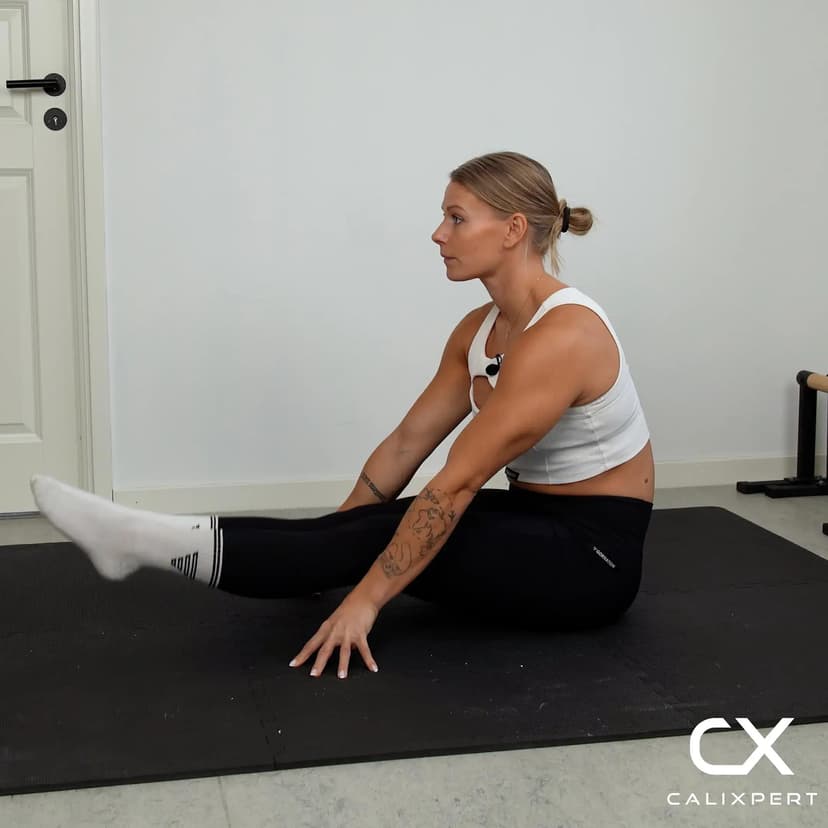
Pike Compression Hold With Hands Forward
Move your fingertips further forward along your legs, so the still upper body leans further forward. That closes the hip into a tighter fold and makes every second at the top harder.