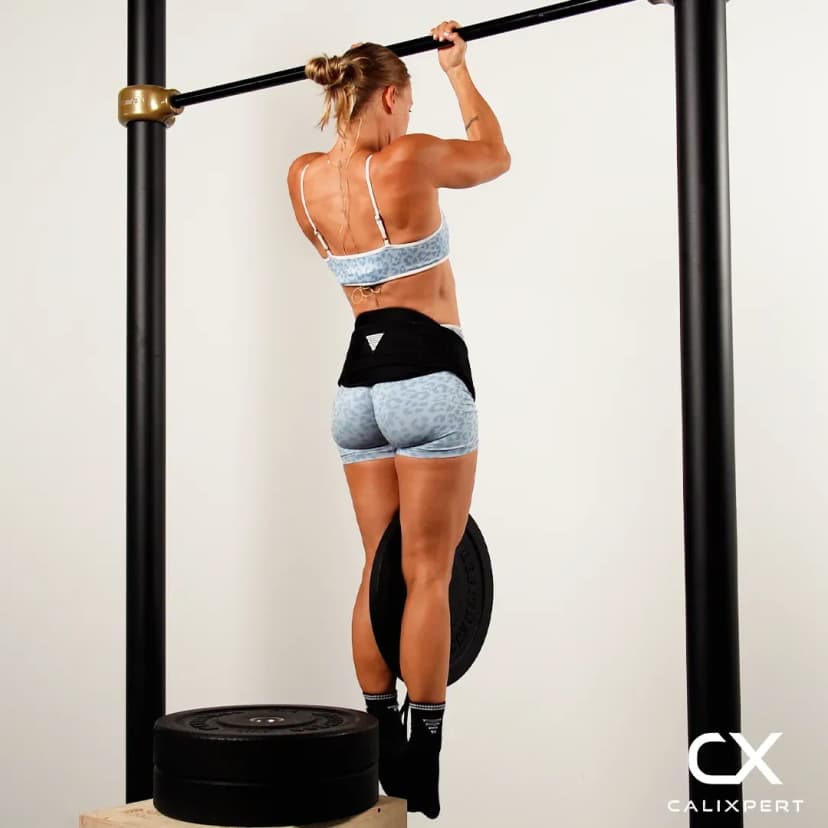
Handstand Press Walks
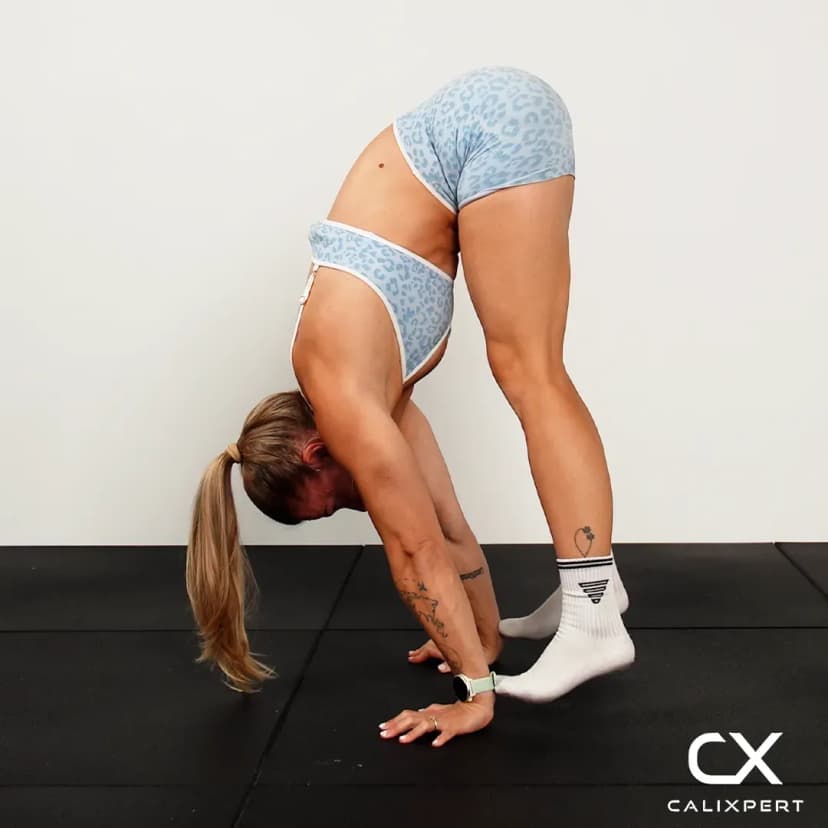
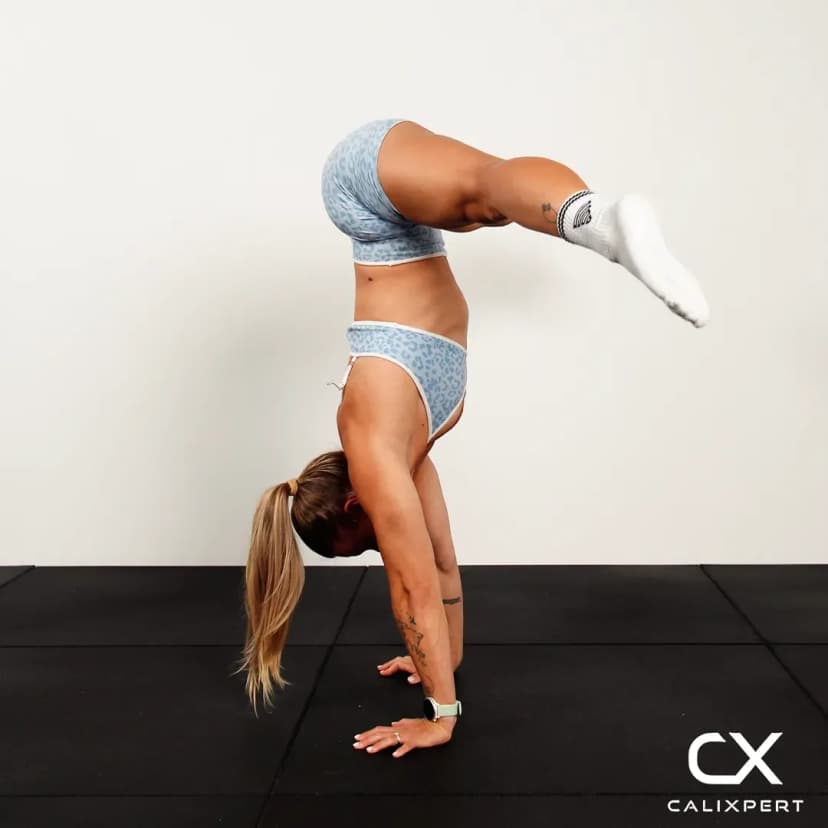
Handstand Press Walks drill toe off, the moment the feet leave the floor in a handstand press, without going up to a handstand. From a forward fold, you lean your shoulders over your hands until the feet lift, land them closer to your hands, then walk the hands forward and repeat. Unlike Handstand Press Lift Holds and the Lift With Toe Touch, the feet float only briefly, and the job is finding the most efficient way to move your weight over your palms.

Handstand Press Walks drill toe off, the moment the feet leave the floor in a handstand press, without going up to a handstand. From a forward fold, you lean your shoulders over your hands until the feet lift, land them closer to your hands, then walk the hands forward and repeat. Unlike Handstand Press Lift Holds and the Lift With Toe Touch, the feet float only briefly, and the job is finding the most efficient way to move your weight over your palms.
How to Do Handstand Press Walks
1. Start In A Semi-Split Fold
Stand in a semi-split with your feet a little apart and fold forward from the hips. This is the starting position of the handstand press, and you need nothing but the floor.
Semi-split, fold forward.
2. Place Your Hands Like A Handstand
Put your palms flat on the floor a little in front of your feet and spread your fingers just like you would in a handstand, so the base feels solid. Keep the hands just in front of the feet, not far out ahead. If your wrists complain, turn them out a little.
Fingers spread, hands just in front.
3. Lock The Arms And Push The Floor Away
Straighten your arms fully, because this is a straight arm drill. Push your shoulders up and push yourself off the ground, as if you were making yourself as tall as possible toward the ceiling, rather than letting the chest sink between your arms.
Straight arms, tall to the ceiling.
4. Suck In To Lift The Hips
Draw your belly button in toward your spine to switch on the transverse abs. This strong suck-in lets you lift your hips as high as possible, and hip height is key in the handstand press, because lifting the hips makes the press easier.
Belly button to spine, hips high.
5. Lean In Until The Feet Float
Lean your shoulders forward over your hands and come up onto your toes. Keep leaning until your weight has moved onto your hands and the feet lift off the floor for a moment. The lean lifts the feet, so do not hop them up.
Lean in, let the feet float.
6. Land Closer To Your Hands And Walk On
Let the feet come back down a little further forward, closer to your hands. Then place your hands a little in front of your feet again, reset the straight arms and the suck-in, and repeat so you walk yourself along the floor.
Lift, land, hands forward, again.
Treat every walk as a test, not a rep. Change one thing at a time, fold harder at the hips, tense the upper back, push harder into the floor or lean a little further, and notice which one helps the feet float most easily. That is how you find your own press.
Muscles Worked During Handstand Press Walks
Primary Muscles:
Secondary Muscles:
Primary Muscles
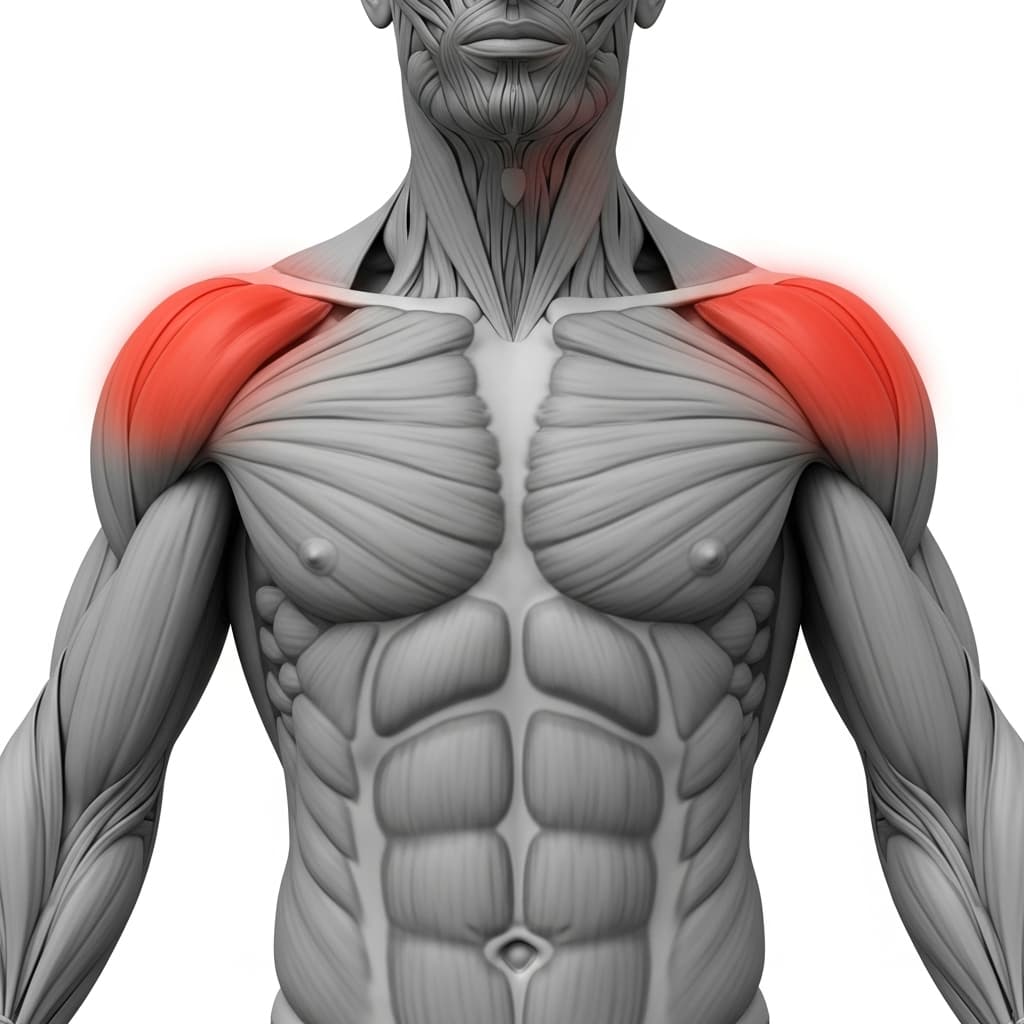
Anterior Deltoid (Front Deltoid) - The front deltoids carry the forward lean, holding your weight as the shoulders move forward over the wrists in the high shoulder flexion range the press lives in.
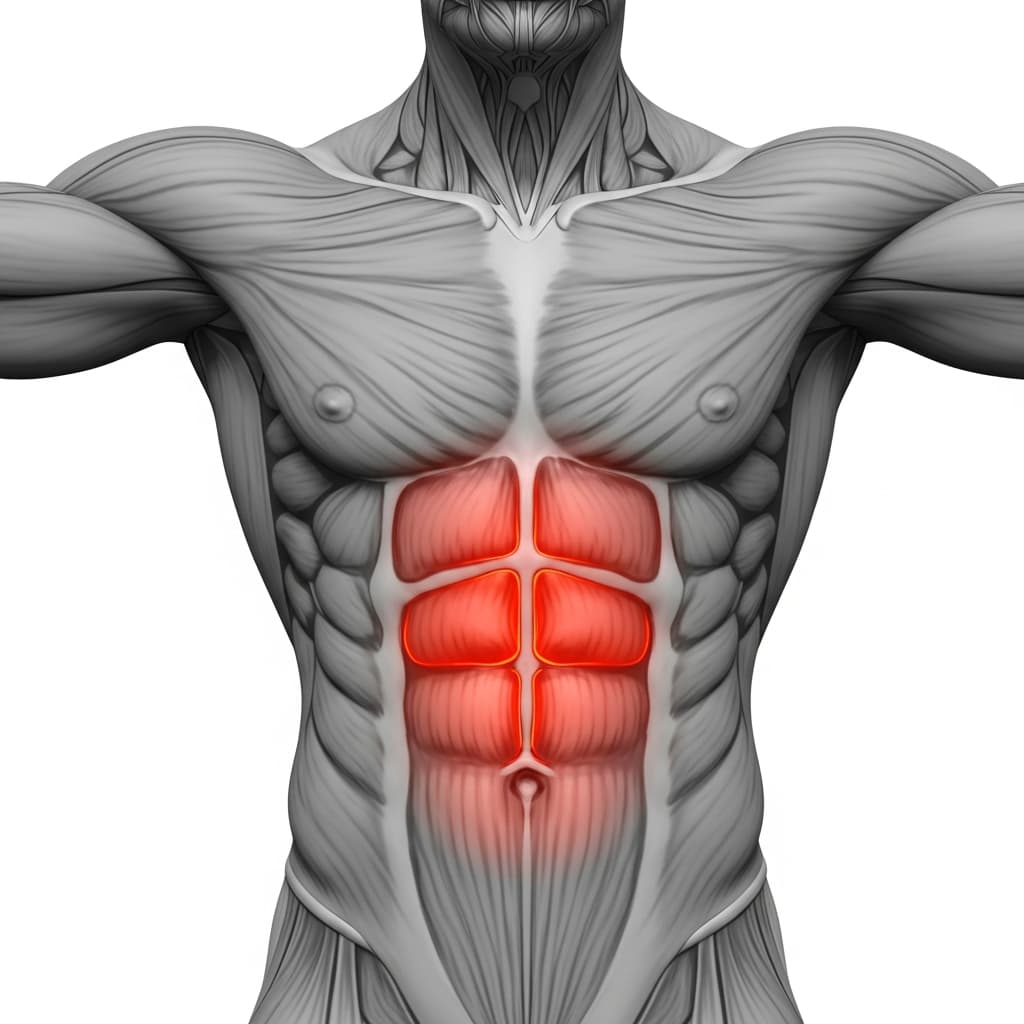
Rectus Abdominis (Abs) - The transverse abs do the suck-in that draws the belly button toward the spine, letting the hips rise as high as possible so you lean less.
Secondary Muscles
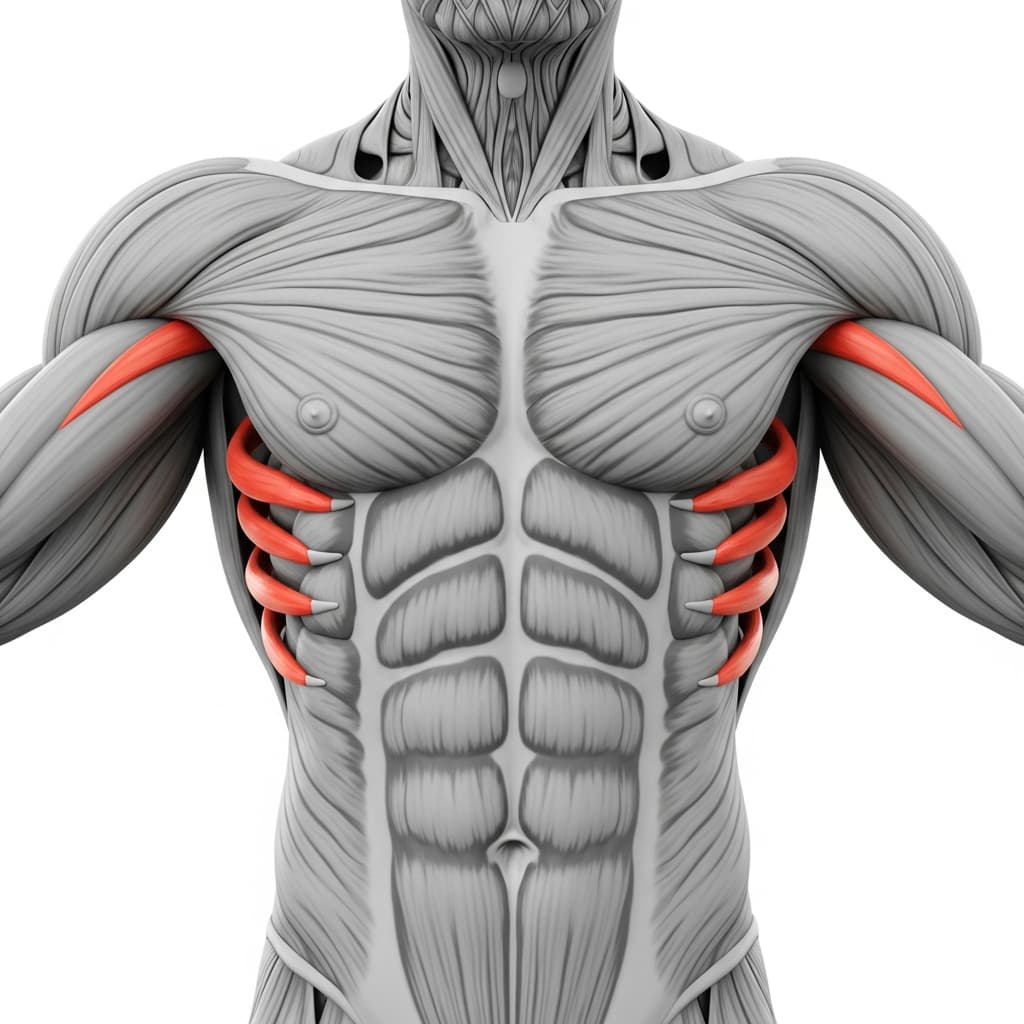
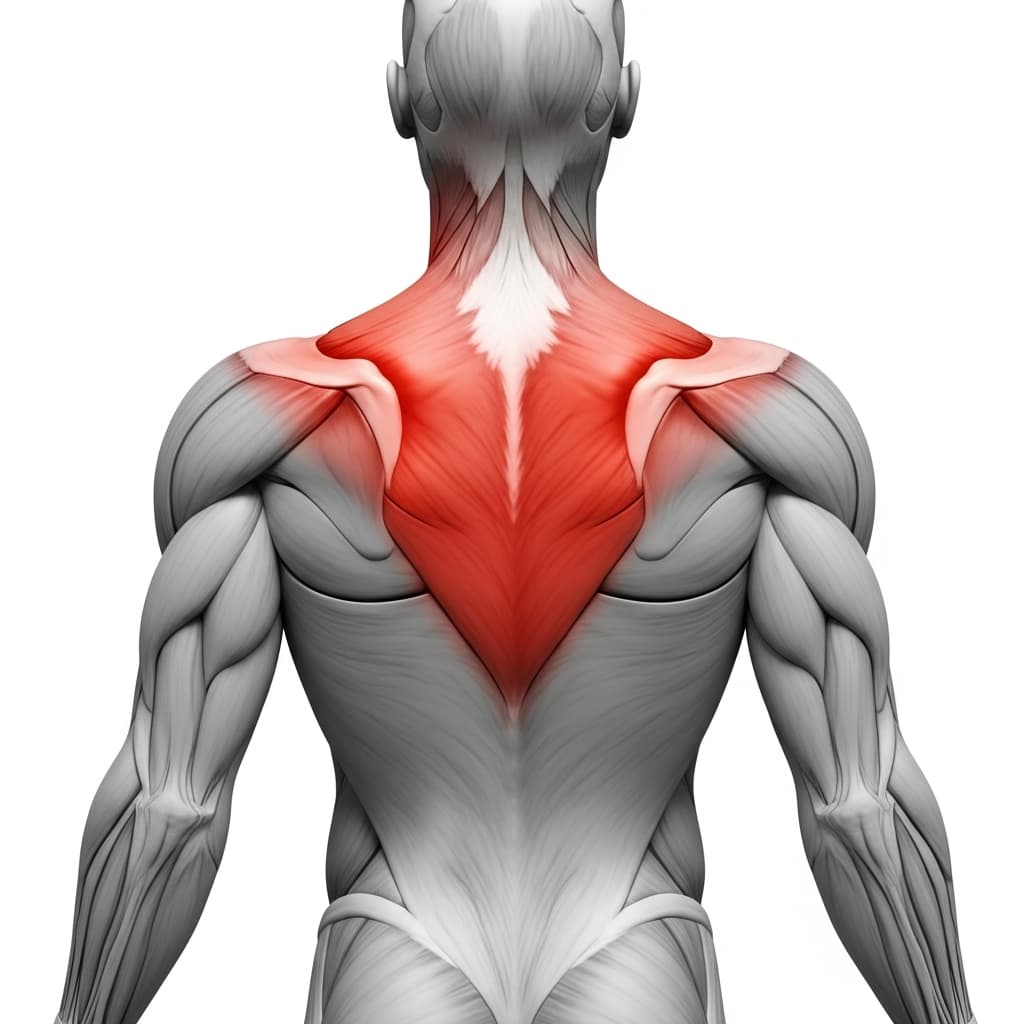
Serratus Anterior (Serratus Anterior) - The serratus helps you push the floor away and keep the shoulders pushed up, so the chest does not sink between the arms while you lean.
Trapezius (Trapezius) - The trapezius works with the serratus to hold the shoulders up toward the ears, the tall position you keep through every lean and landing.
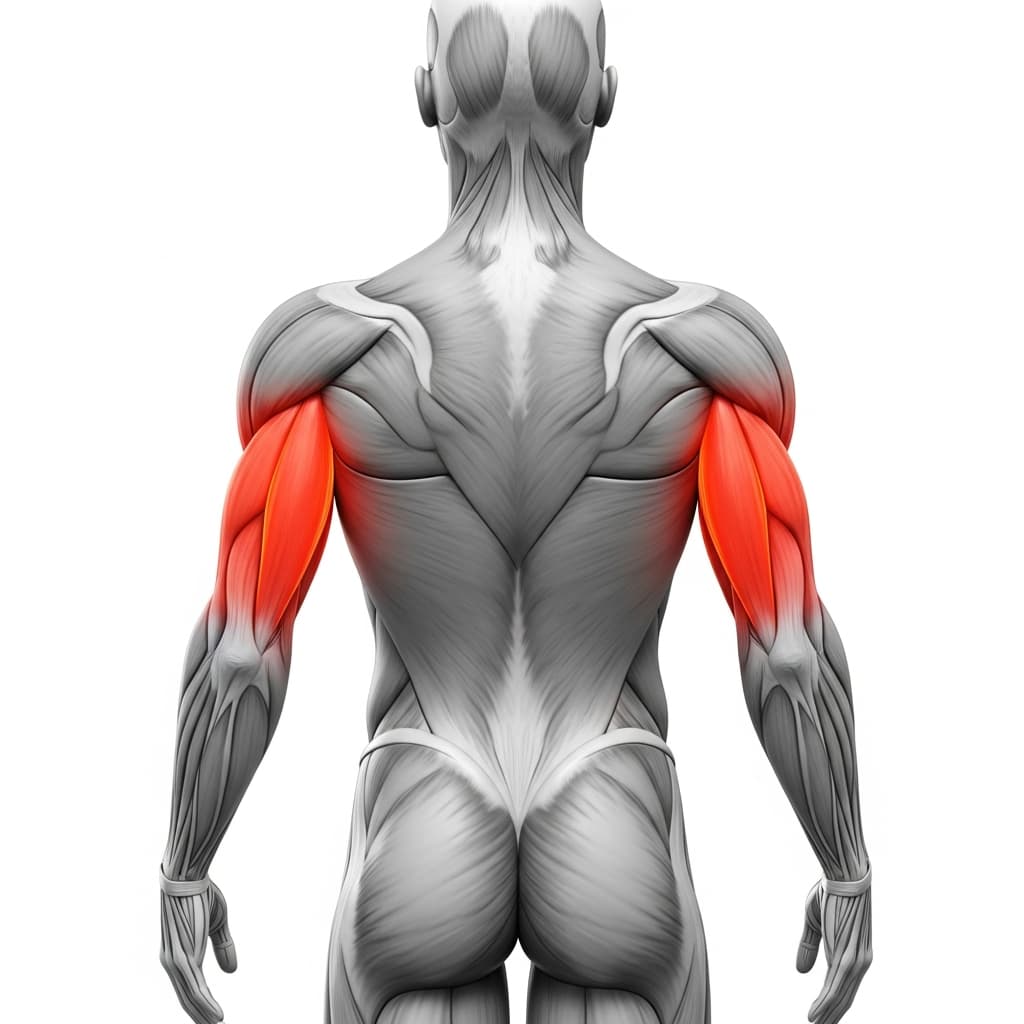
Triceps Brachii (Triceps) - The triceps keep the elbows locked, because this is a straight arm drill and a bend changes the whole movement.
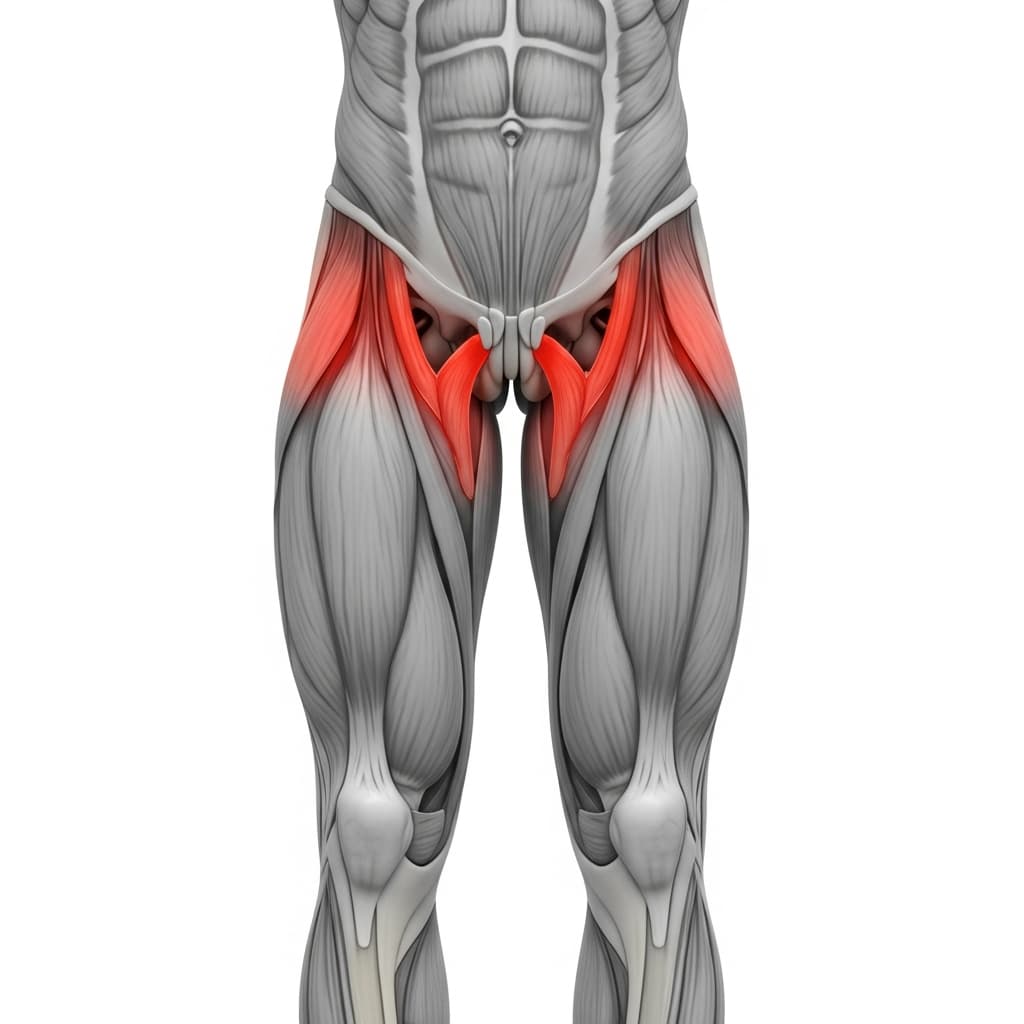
Iliopsoas (Hip Flexors) - The hip flexors hold the deep fold and help bring the legs in toward the hands as the feet float forward and land closer.
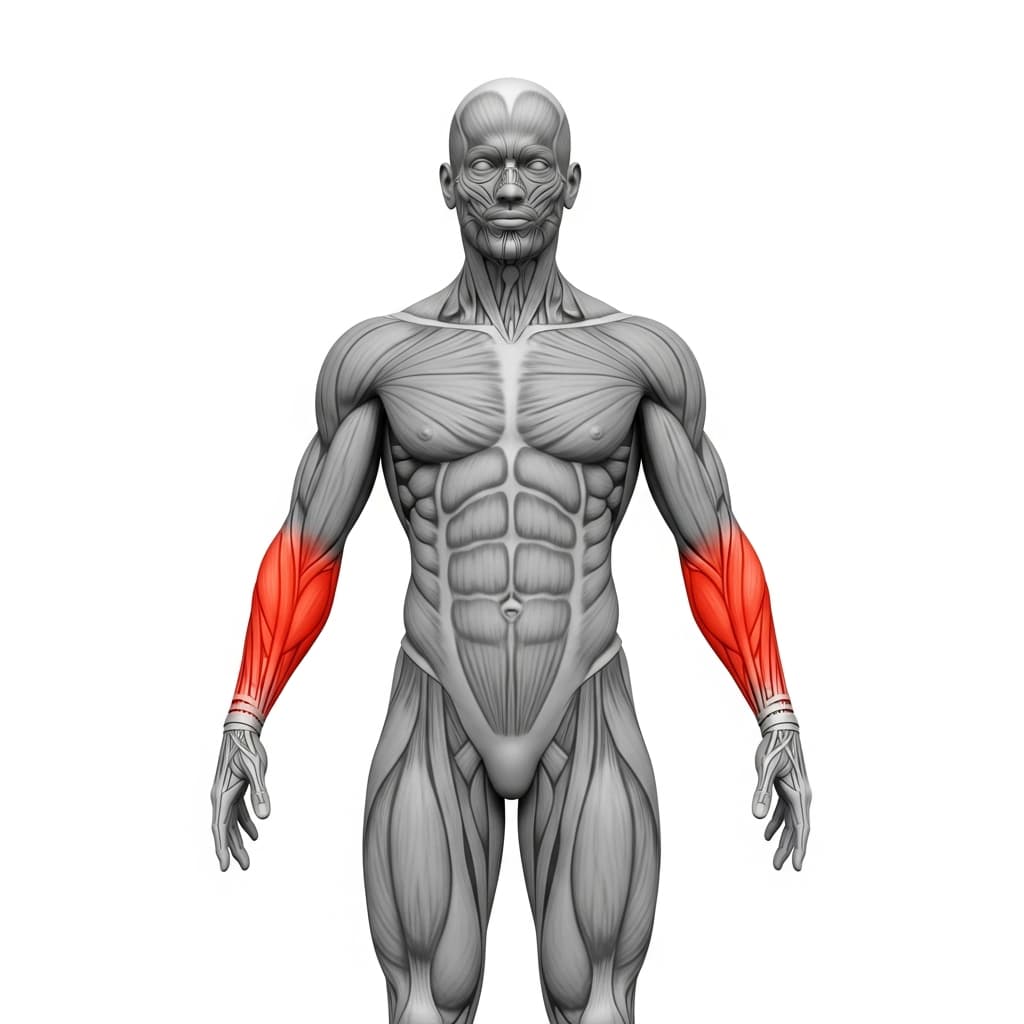
Forearm Flexors & Extensors (Forearms) - The forearms and hands grip the floor through spread fingers, giving you the solid base the lean depends on and fine control over your balance.
Benefits of Handstand Press Walks
- Trains toe off, the hardest stage of the handstand press, where you have the least help and the most leg still behind you.
- Teaches you to lean your weight over your palms instead of jumping, the whole difference between a press and a kick up.
- Lets you test what makes the lift easier for your body, from folding harder at the hips to leaning further.
- Gets your shoulders used to the straight arm forward lean the press depends on, with them pushed up away from the floor.
- Trains the transverse abs suck-in that lifts the hips high, which reduces how far you need to lean.
Who Is This Exercise For?
You need a forward fold that puts your palms flat on the floor a little in front of your feet, and wrists comfortable with your weight over them. No press is needed, though some straight arm strength makes it much easier: a 5 second tuck planche and 10 second handstand are good markers, not a gate. Until your palms reach the floor, work on pike and pancake flexibility and floor compression first.
Common Mistakes to Avoid
Hopping the feet off the floor: If you jump the legs up you have skipped the lean, and the lean is the whole drill. Slow down, keep leaning and let the feet leave the floor on their own, and end the set as soon as the lifts turn into hops.
Putting the hands too far in front: Hands far out ahead of the feet turn this into a planche, which is a different and much harder thing. Keep the hands just in front of the feet, and move them forward again after each landing.
Bending the arms to get the feet up: A bend in the elbows usually covers for missing strength or flexibility, and it turns into a habit that is hard to break. Lock the arms before the lean and keep them locked through every lift and landing.
Sinking into the shoulders: When the shoulders drop toward the floor the chest sinks between the arms and you lose the tall, solid base. Push the floor away and make yourself as tall as possible toward the ceiling before each lean, then keep that push while you lean.
Leaning without the suck-in: Without the transverse abs activation the hips stay low and you have to lean much further to lift the feet. Draw the belly button toward the spine before every lean so the hips ride as high as possible.
Variations & Progressions
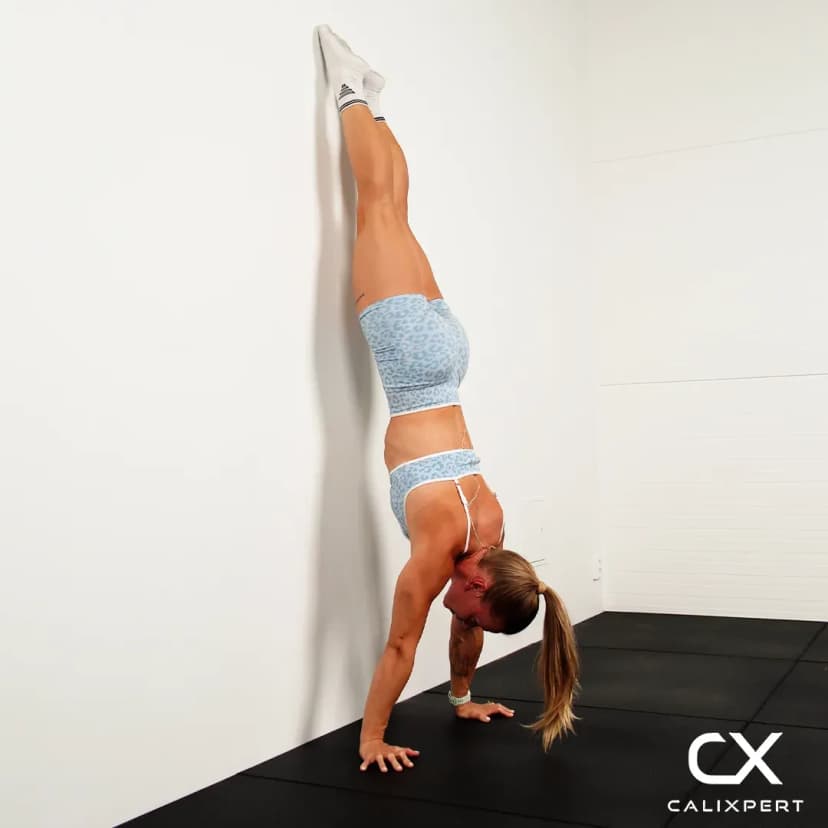
One Foot At A Time Press Walks
Lift and step one foot forward at a time instead of both, which keeps some weight on the floor while you learn how far you need to lean.