Weighted Dips
Weighted dips are the natural next step once bodyweight dips stop being a real challenge, adding external load through a dip belt so you can keep building pressing strength on the parallel bars. The movement is driven by the chest and triceps, with the front deltoids assisting out of the bottom while the traps, serratus, and core hold a stable, depressed shoulder position under load. Done with a closed chest and a controlled descent to 90 degrees, it is one of the most effective ways to keep building upper body pushing strength in calisthenics.
Weighted dips are the natural next step once bodyweight dips stop being a real challenge, adding external load through a dip belt so you can keep building pressing strength on the parallel bars. The movement is driven by the chest and triceps, with the front deltoids assisting out of the bottom while the traps, serratus, and core hold a stable, depressed shoulder position under load. Done with a closed chest and a controlled descent to 90 degrees, it is one of the most effective ways to keep building upper body pushing strength in calisthenics.
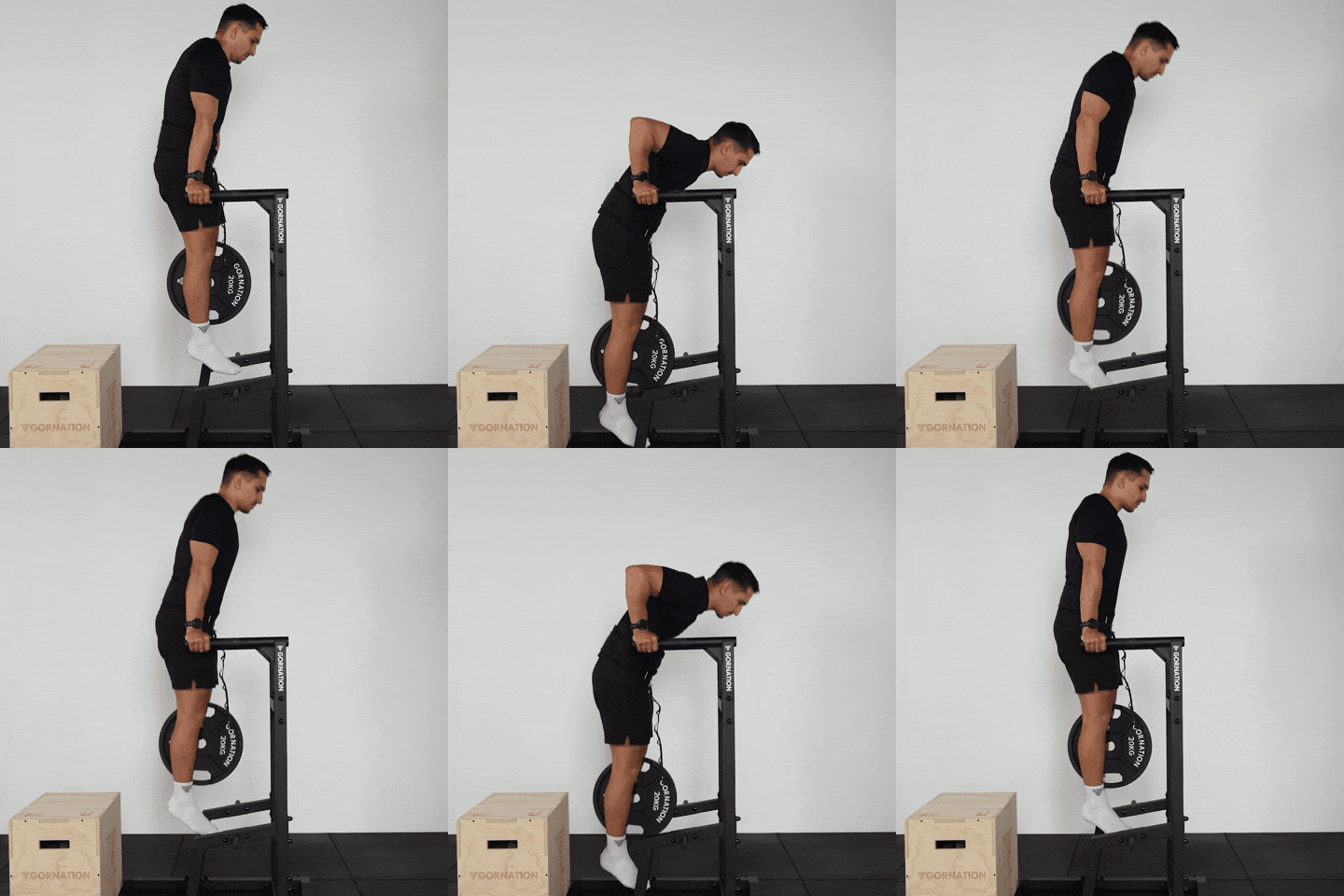
How to Do Weighted Dips
1. Set the Weight at Knee Height
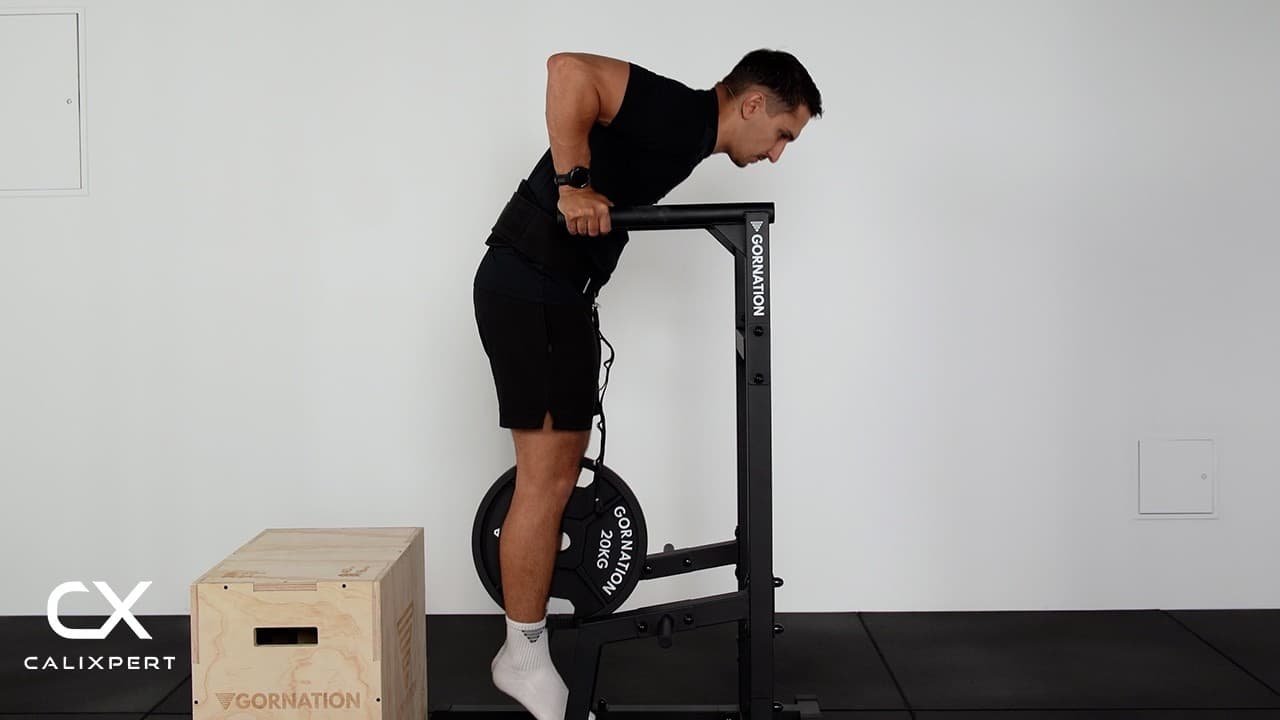
Fasten the dip belt around your hips and adjust the chain so the plate hangs at about knee height. Hanging it lower, down toward the ankles, is something many people do for very heavy sets of two to five reps because the center of mass sits slightly better, but it swings far more and is harder to control.
Plate at the knees, not down at the ankles
2. Step Up Instead of Jumping In
Use a box beside the station to step up into the support position rather than jumping in with a loaded belt. This matters more the heavier you go, since jumping in dumps the whole load onto your shoulders before you are set.
Step in from the box, never jump in
3. Depress and Close the Chest
At the top, do not hang in your shoulders with the weight pulling you down. Push your shoulders down away from your ears and bring them slightly forward so the chest closes and you are supporting the load rather than hanging from it.
Shoulders down and forward, chest closed
4. Close the Core into a Hollow Body
From that top position, close your core instead of standing tall with an open chest and an arched back. Pull your ribs down and bring your legs together and underneath you so you are in a hollow body shape before the first rep.
Ribs down, legs closed and underneath
5. Lower to 90 Degrees
Descend under control until your elbows reach roughly 90 degrees, staying slightly piked with your legs under you rather than letting them trail behind in an arch. Your whole body should travel down together instead of your torso folding forward over a fixed hip.
Slightly piked, elbows to 90 degrees
6. Press Back Up and Squeeze the Weight
Drive back up to the top while squeezing your legs around the belt chain so the plate stays still. Once the weight starts swinging every rep gets harder to control, so kill the swing on the way up rather than fighting it on the next rep.
Squeeze the plate still, then press
The reason we close the chest, depress the shoulders, and stay hollow is that you generate much more power for the exercise. If you hang open in your shoulders with a heavy plate on the belt, you have less control, and the heavier you go the more you have to think about safety. Close the position, depress, keep the legs underneath you, and every rep gets stronger and more controlled.
Muscles Worked During Weighted Dips
Secondary Muscles:
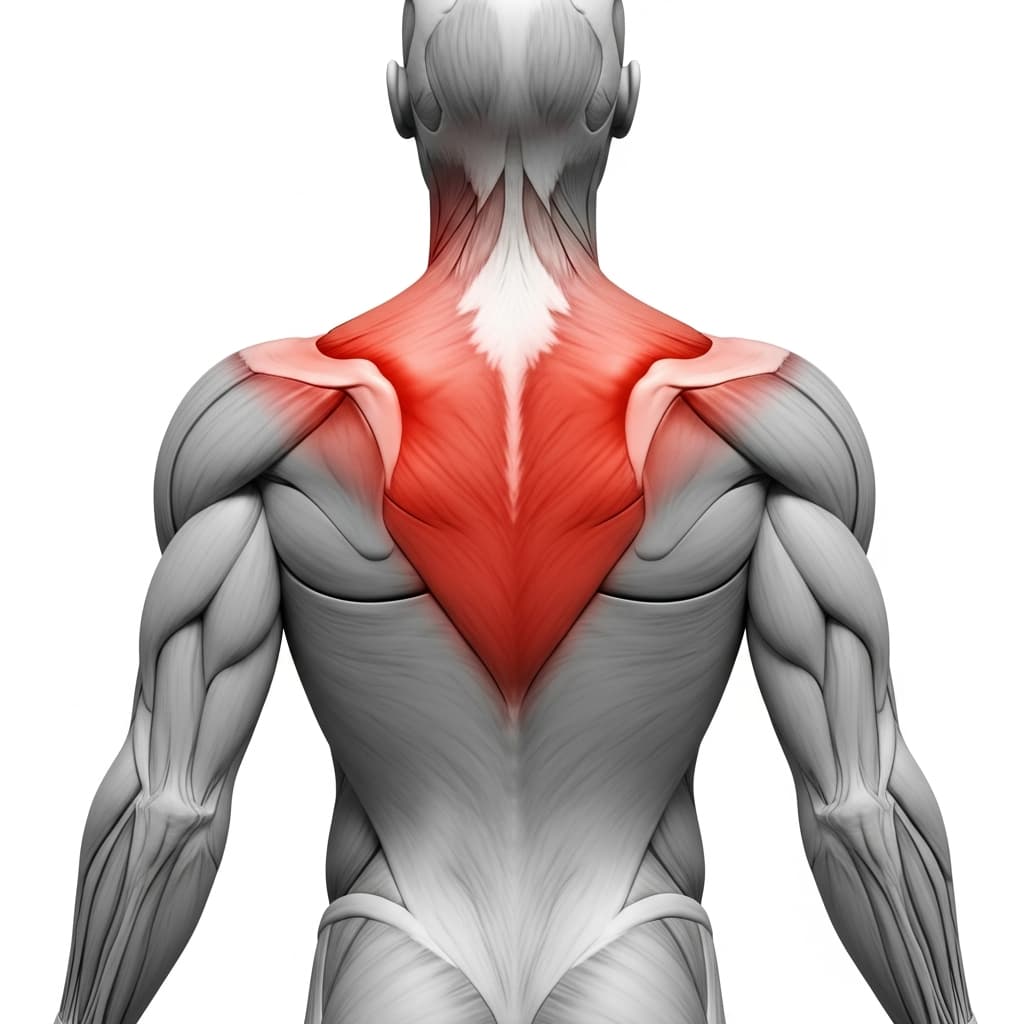
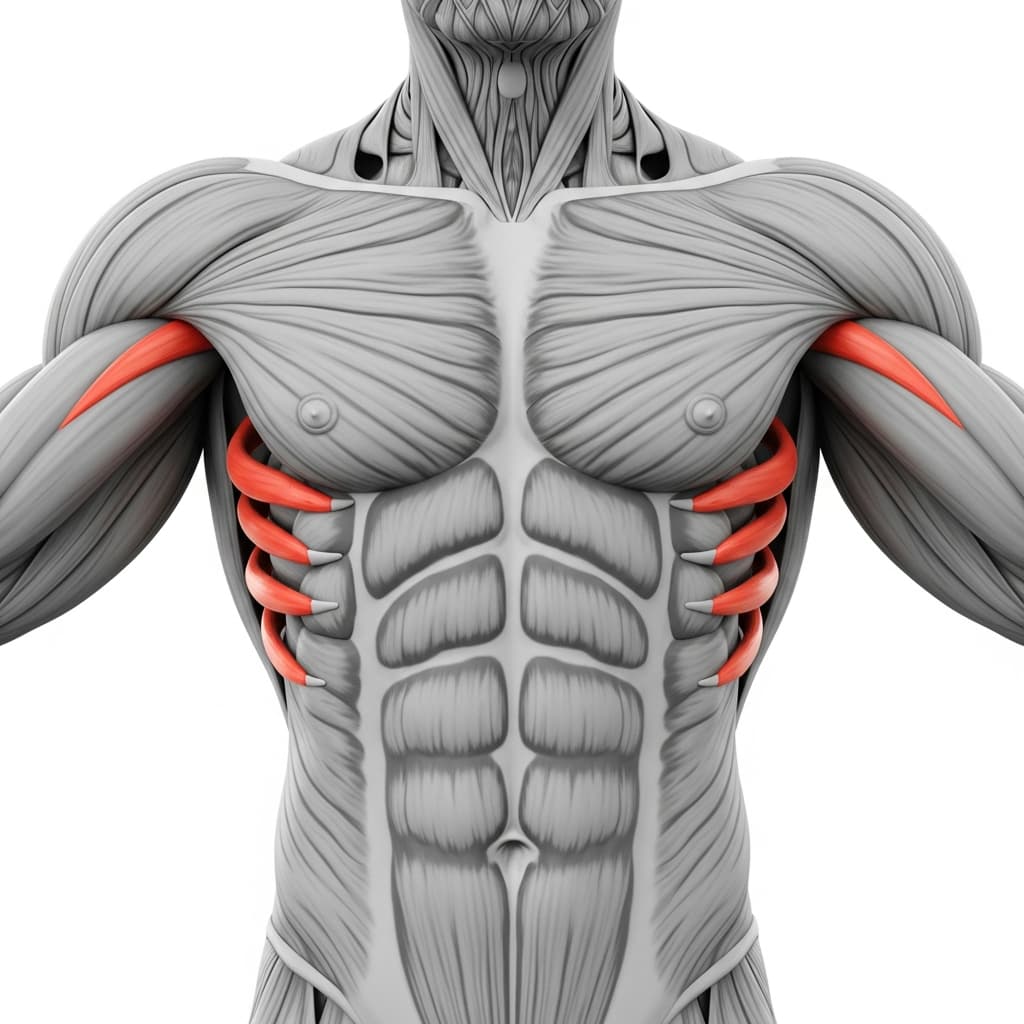
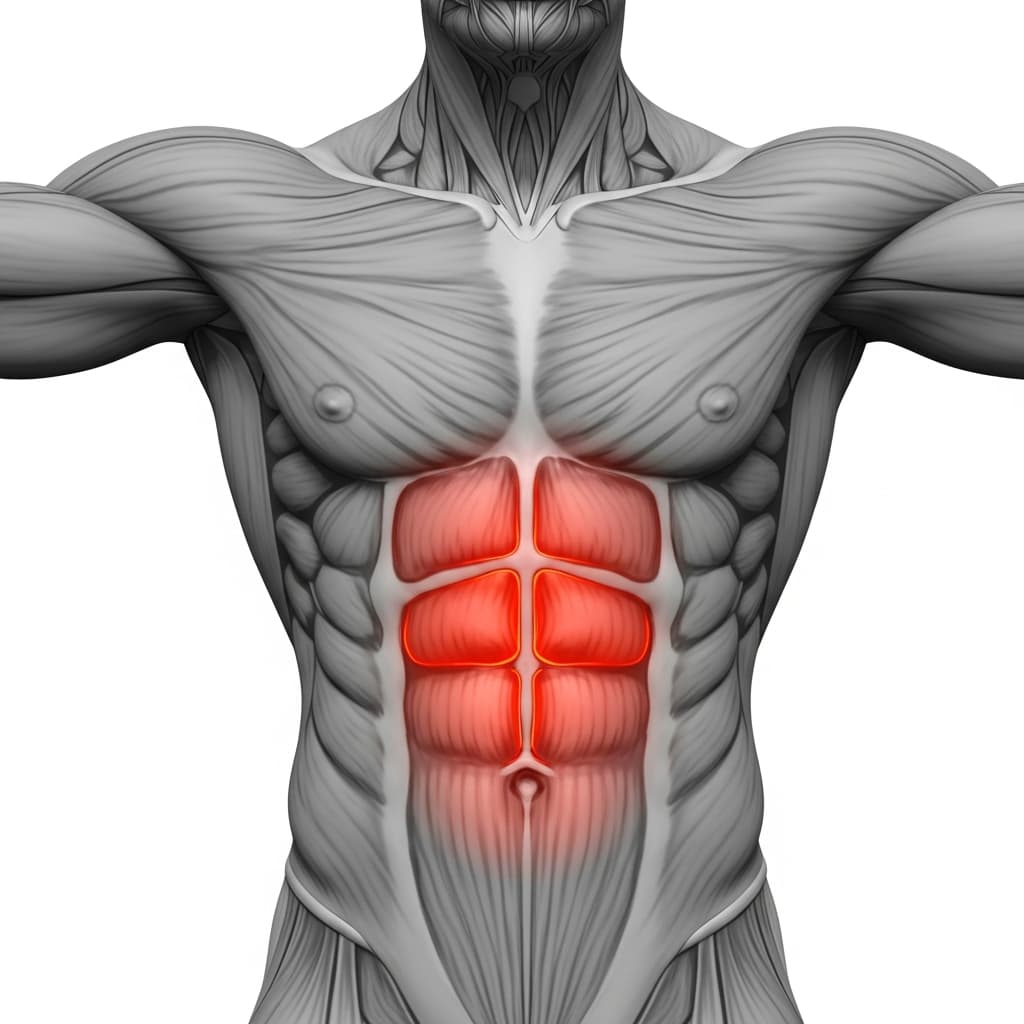
Primary Muscles
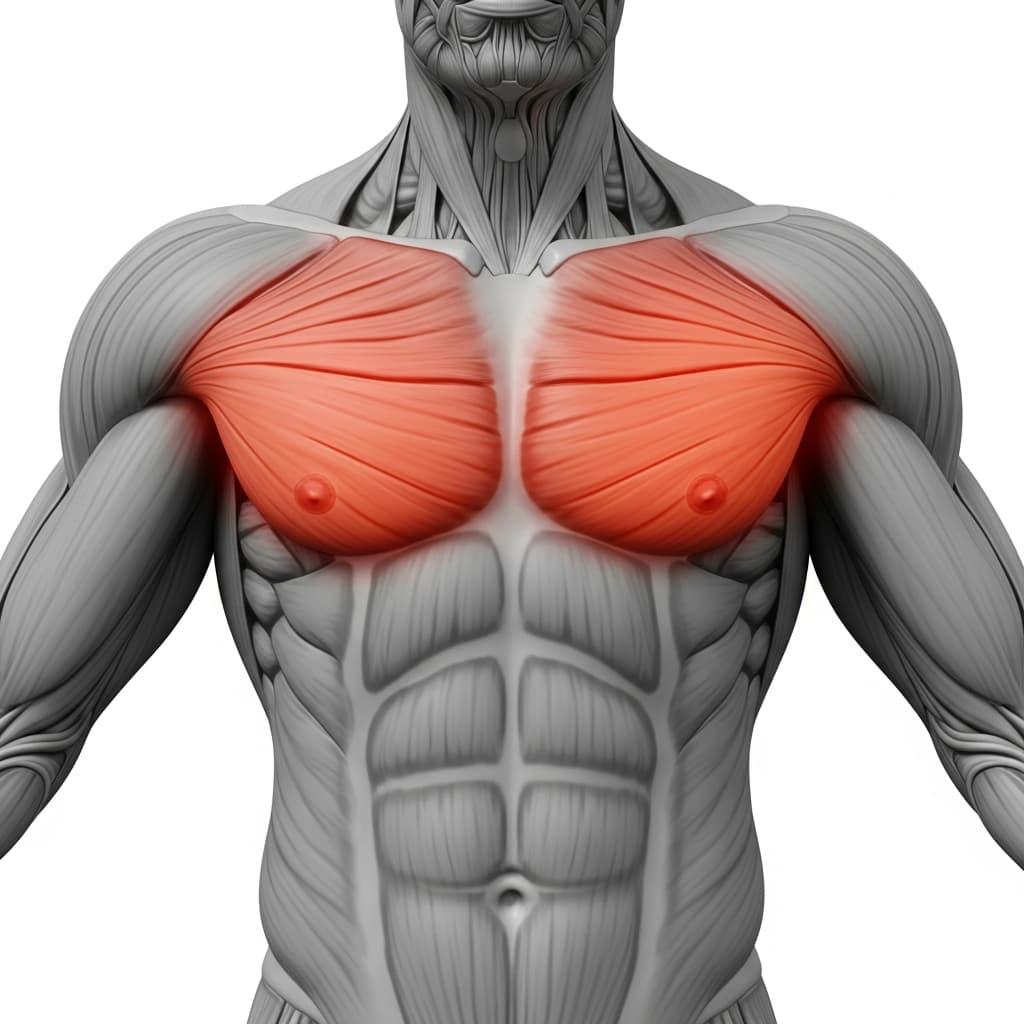
Pectoralis Major (Chest) - The chest is the prime mover, driving the upper arms forward and inward to press you out of the bottom of the dip.
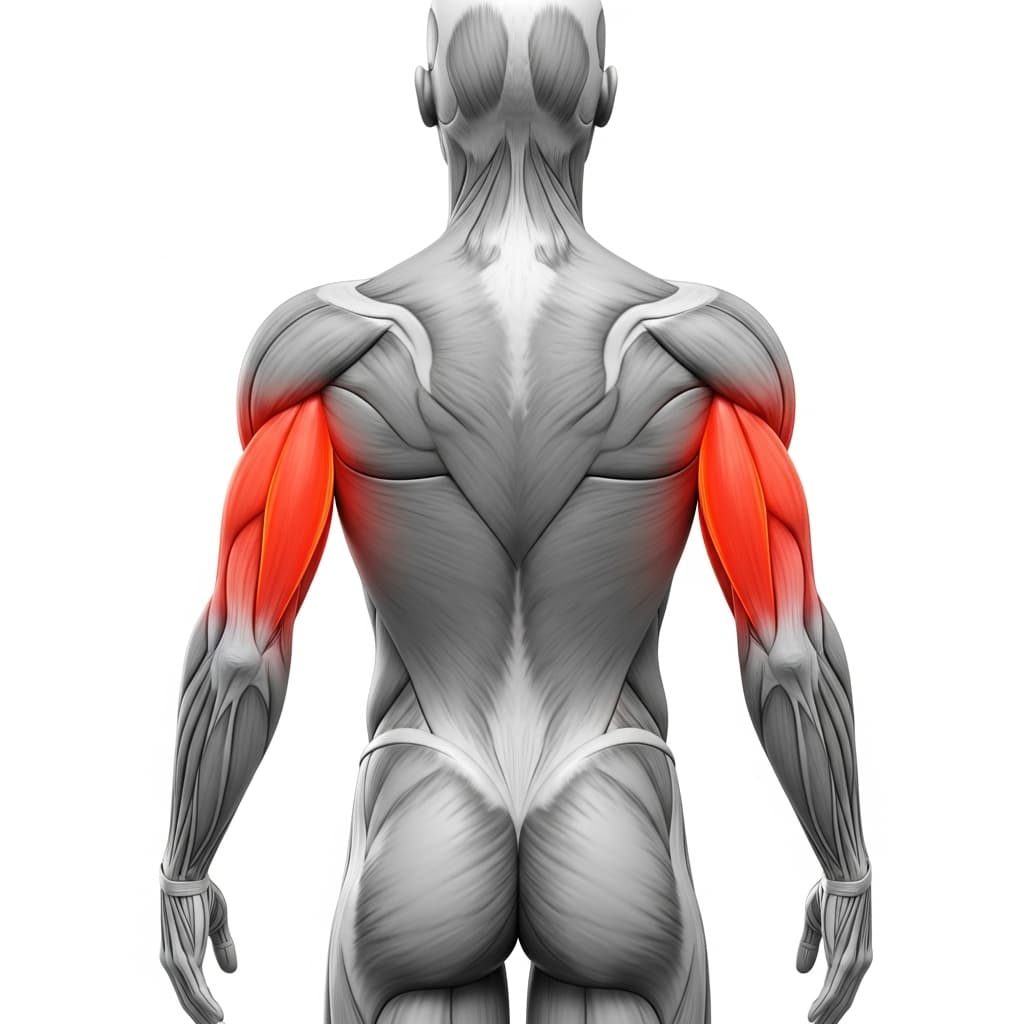
Triceps Brachii (Triceps) - The triceps extend the elbows through the whole press and take on more of the load the closer your torso stays to upright.
Secondary Muscles
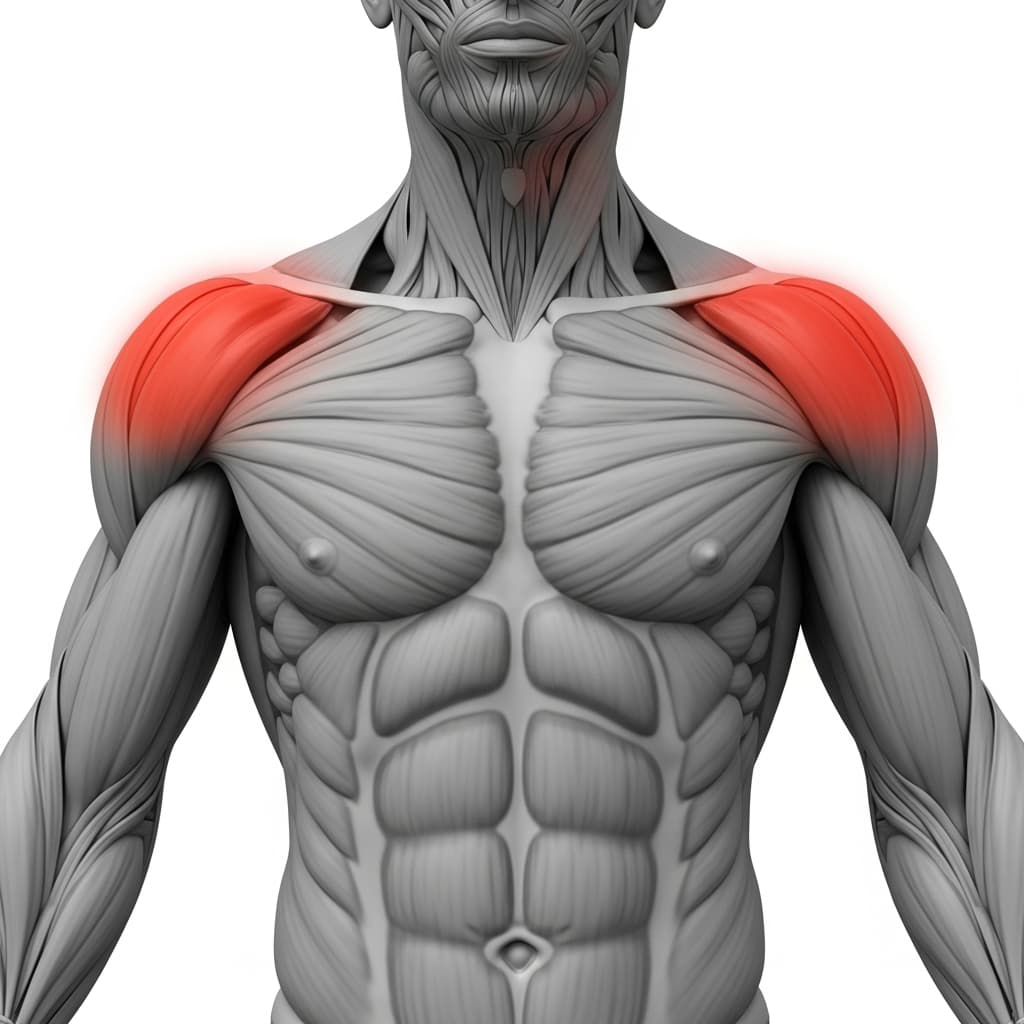
Anterior Deltoid (Front Deltoid) - The front deltoids assist the chest out of the bottom position, where the shoulder is most stretched and the added weight bites hardest.
Trapezius (Trapezius) - The lower traps hold the shoulder blades pulled down, which is the depressed position Daniel wants you holding as the load climbs.
Serratus Anterior (Serratus Anterior) - The serratus anterior anchors the shoulder blades flat against the ribcage so they do not wing out while you support your bodyweight plus the plate.
Rectus Abdominis (Abs) - The abs hold the hollow body position that keeps your legs underneath you and stops the hanging plate from swinging.
Benefits of Weighted Dips
- Keeps chest and triceps progressing once bodyweight dips pass 10 to 12 clean reps and stop being challenging on their own
- Builds pressing strength and size across the chest, triceps, and front deltoids with load you can add in small, measurable steps
- Carries over to other pressing work, including bench and overhead pressing, by strengthening the lockout portion of the press
- Trains scapular depression and shoulder control under real load, which is the position Daniel wants you holding as the weight climbs
- Develops core control, since holding a hollow body against a hanging plate is what keeps the load from swinging
Who Is This Exercise For?
You should be able to perform at least 10 to 12 clean bodyweight dips with a full descent to 90 degrees before you add any load. Depth and shoulder position both need to hold for every rep, not just the first few. If you are still building toward that rep count, keep training strict bodyweight dips and dip support holds first.
Common Mistakes to Avoid
Hanging in the shoulders at the top: Letting the load pull your shoulders up around your ears means you start the rep hanging from the joint instead of supporting the weight. Push the shoulders down and slightly forward before every set so each rep starts from a depressed, closed chest position.
An open, arched body position: Standing tall with an arched back and the legs trailing behind loses tension and leaves you with less control of the load. Close the core into a hollow body with the legs underneath you, which gives you more control and more power on the press.
Letting the weight swing: A swinging plate turns every rep into a balance problem instead of a strength one. Keep the load around knee height and squeeze your legs together to hold it still, rather than hanging it low near the ankles before you can control it.
Missing a real 90 degrees: As the load climbs the descent is usually the first thing to shrink, and diving well past 90 degrees makes the bottom position much harder to control. Lower to about 90 degrees on every rep with your body following down, and drop the weight if you cannot hold that depth.
Variations & Progressions
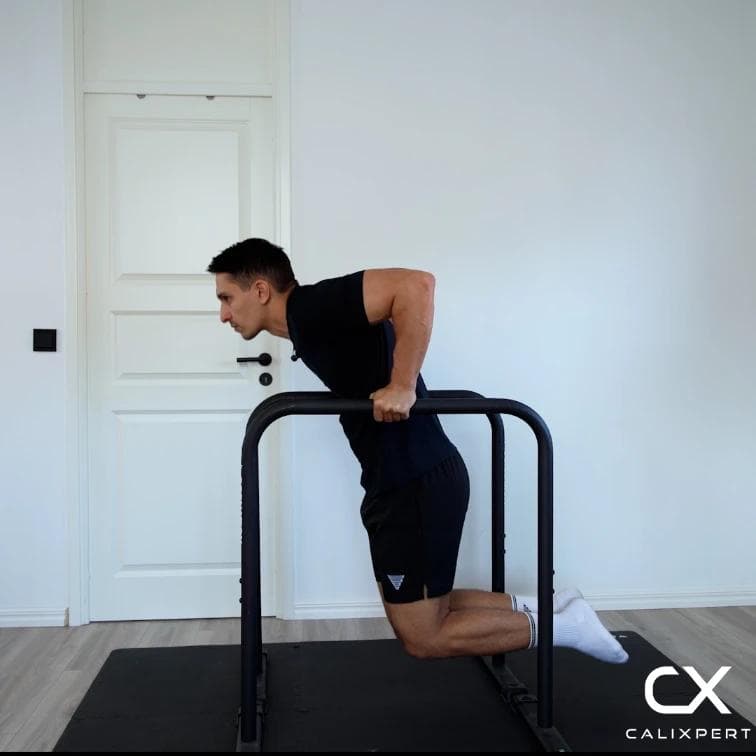
Weighted Straight Bar Dips
Dipping on a single straight bar forces you to lean forward and shift around the bar, which demands more chest and shoulder control at the same load.
Weighted Ring Dips
Rings move in every direction, so the chest, shoulders, and the muscles holding your shoulder blades in place work far harder to keep the position. Expect to use noticeably less weight than on parallel bars.