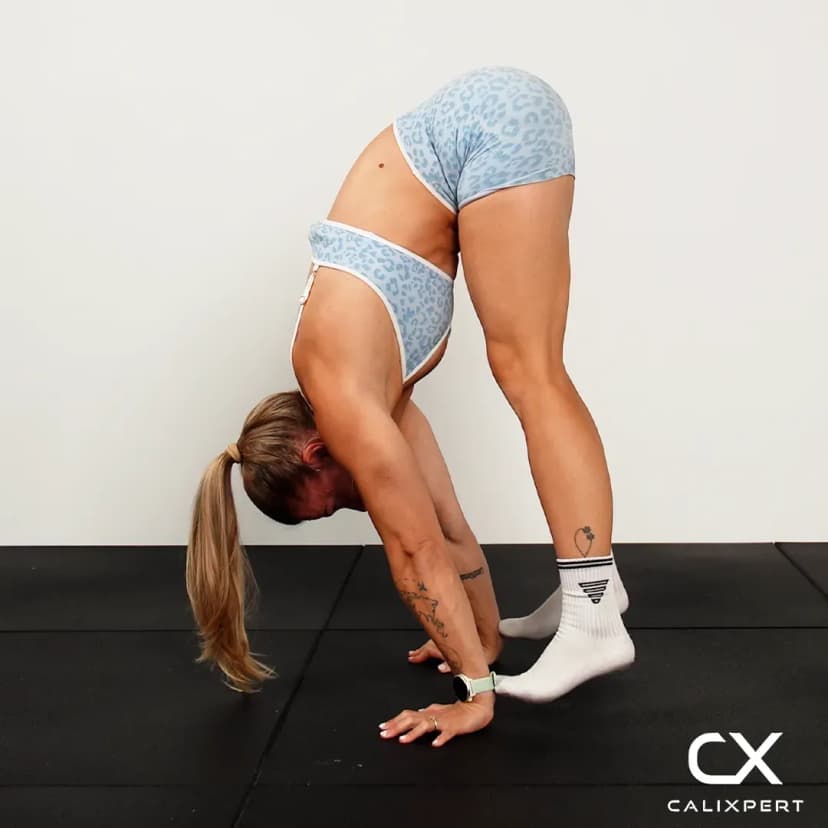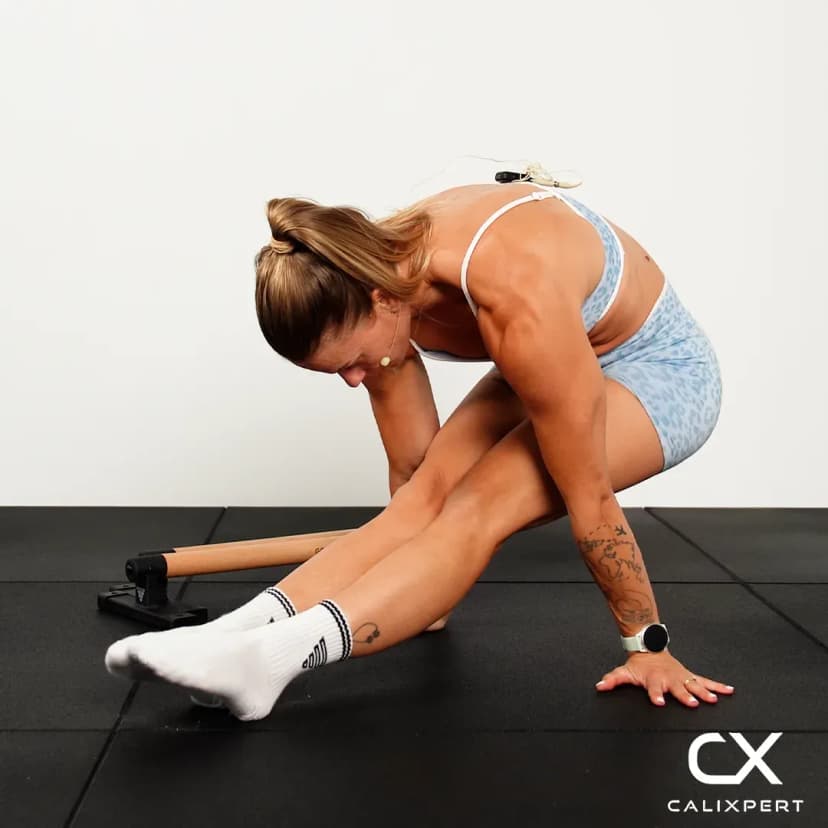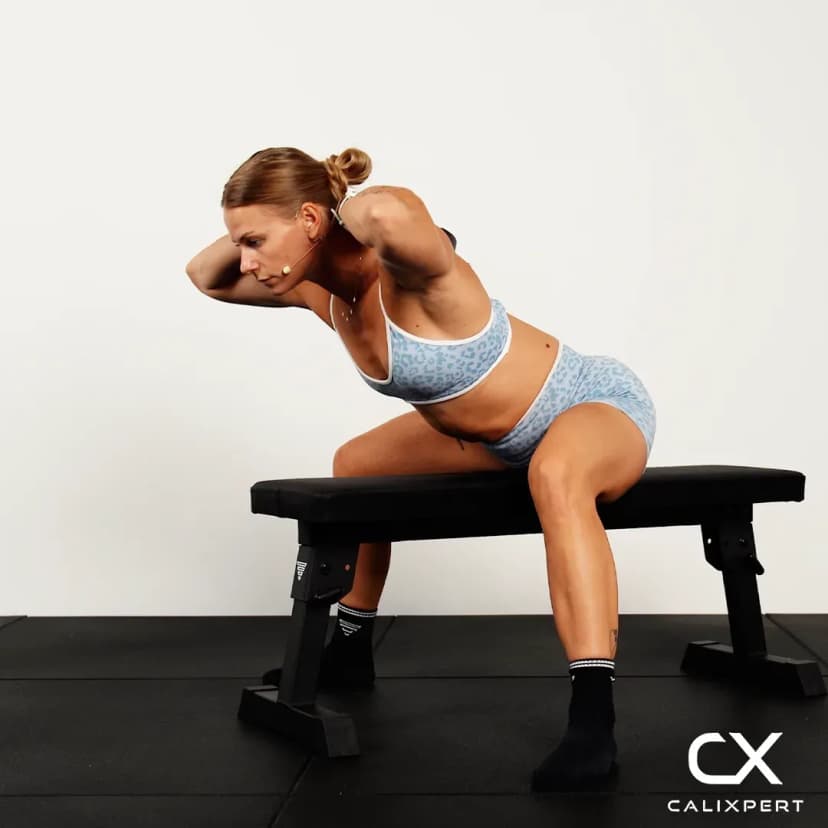
Straddle Compression Hold
The straddle compression hold is a seated active flexibility drill where you lift both straight legs in a wide straddle and hold them a few seconds with the upper body still. A suck-in of the deeper abs works with the hip flexors, in a straddle a little short of your full stretch, where the muscles normally only relax. It is the Straddle Compression Lift with a hold at the top, training what the straddle press handstand needs: lifting your own legs, not just folding passively.
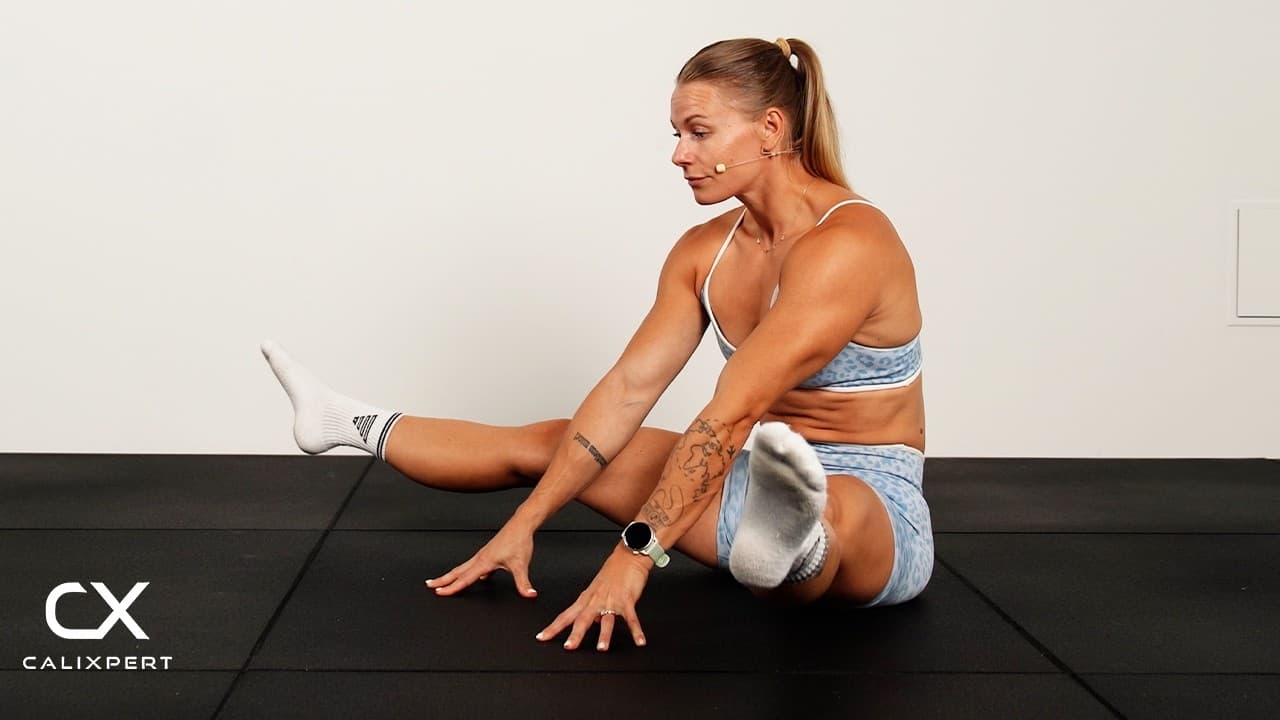
The straddle compression hold is a seated active flexibility drill where you lift both straight legs in a wide straddle and hold them a few seconds with the upper body still. A suck-in of the deeper abs works with the hip flexors, in a straddle a little short of your full stretch, where the muscles normally only relax. It is the Straddle Compression Lift with a hold at the top, training what the straddle press handstand needs: lifting your own legs, not just folding passively.
How to Do Straddle Compression Hold
1. Set A Straddle Just Short Of Your Stretch
Sit on the floor and open your legs into a straddle as wide as you can, but not as wide as a full split or a full pancake, and a little less than you would go when you stretch. The muscles have to work here, not only relax, and that is harder in a full stretch.
Wide, but not your full stretch
2. Place Your Hands And Pick Your Lean
Put your hands on the floor between your legs, in front of you. The further forward the hands go, the harder the lift. Start with your upper body completely vertical, and lean forward a little if that feels too easy or back a little if it is too hard. Hold whichever position you choose completely still.
Start upright, adjust the lean
3. Suck In The Core
Pull your belly button toward your spine. This suck-in switches on the deeper abs and creates the core compression that, together with the hip flexors, lifts the legs and holds them up.
Belly button to spine
4. Lift Both Legs As High As You Can
Keep the legs completely straight and lift them off the floor as high as you can. The upper body stays still and fixed the whole time, with no rocking and no momentum to get the heels up. Only the legs move.
Straight legs up, torso still
5. Hold At The Top
Hold the legs at the top for a few seconds. Keep the suck-in, keep the legs completely straight and keep the upper body still. When the knees start to bend or the upper body starts to move, lower the legs and reset.
Suck in, hold the legs
6. Lower With Control
Bring the legs back down slowly instead of dropping them, keeping the knees locked all the way to the floor. Reset the suck-in before the next hold.
Slow down, reset, go again
Set the straddle a little narrower than your deepest pancake, because in a full stretch the muscles mostly relax. Start completely upright and still, pull the belly button in, lift the straight legs as high as you can and hold a few seconds before lowering slowly. When that feels too easy, lean forward a little and move the hands further forward.
Muscles Worked During Straddle Compression Hold
Primary Muscles:
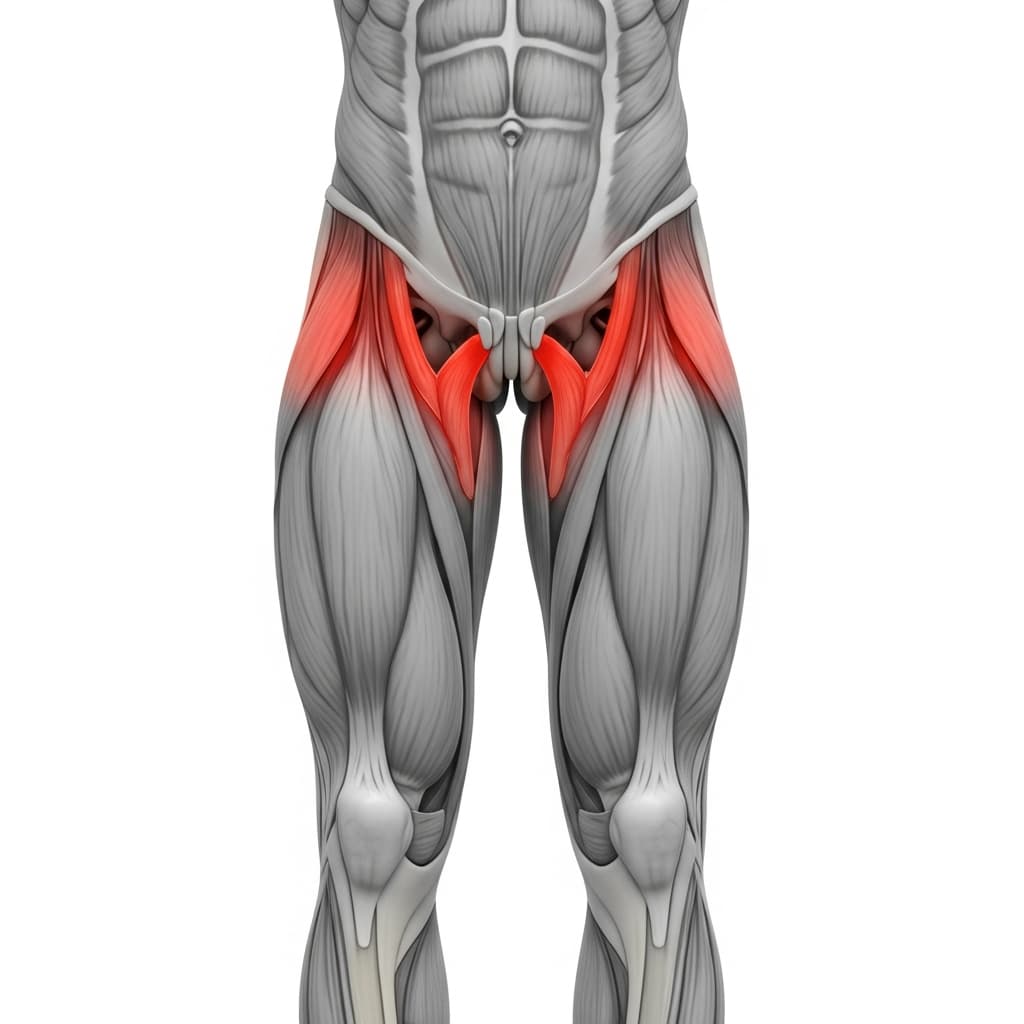
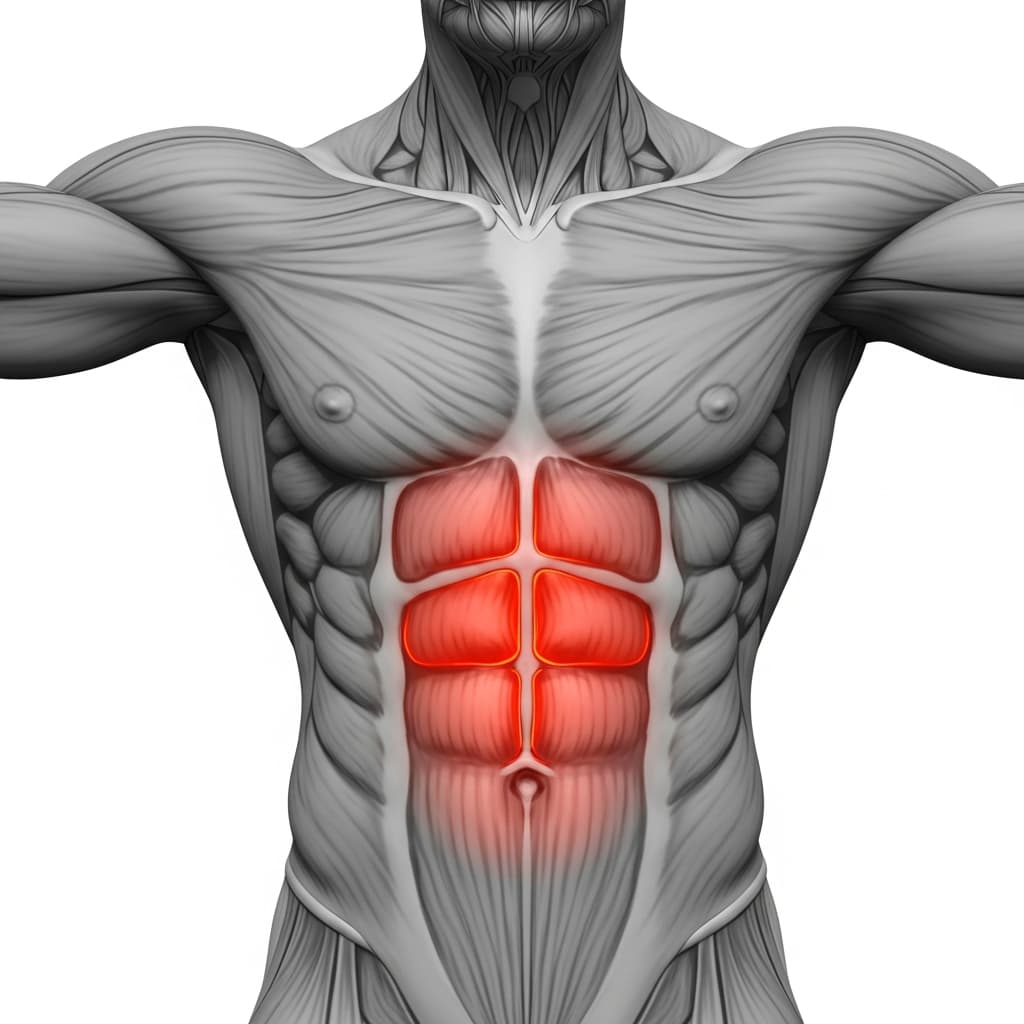
Secondary Muscles:
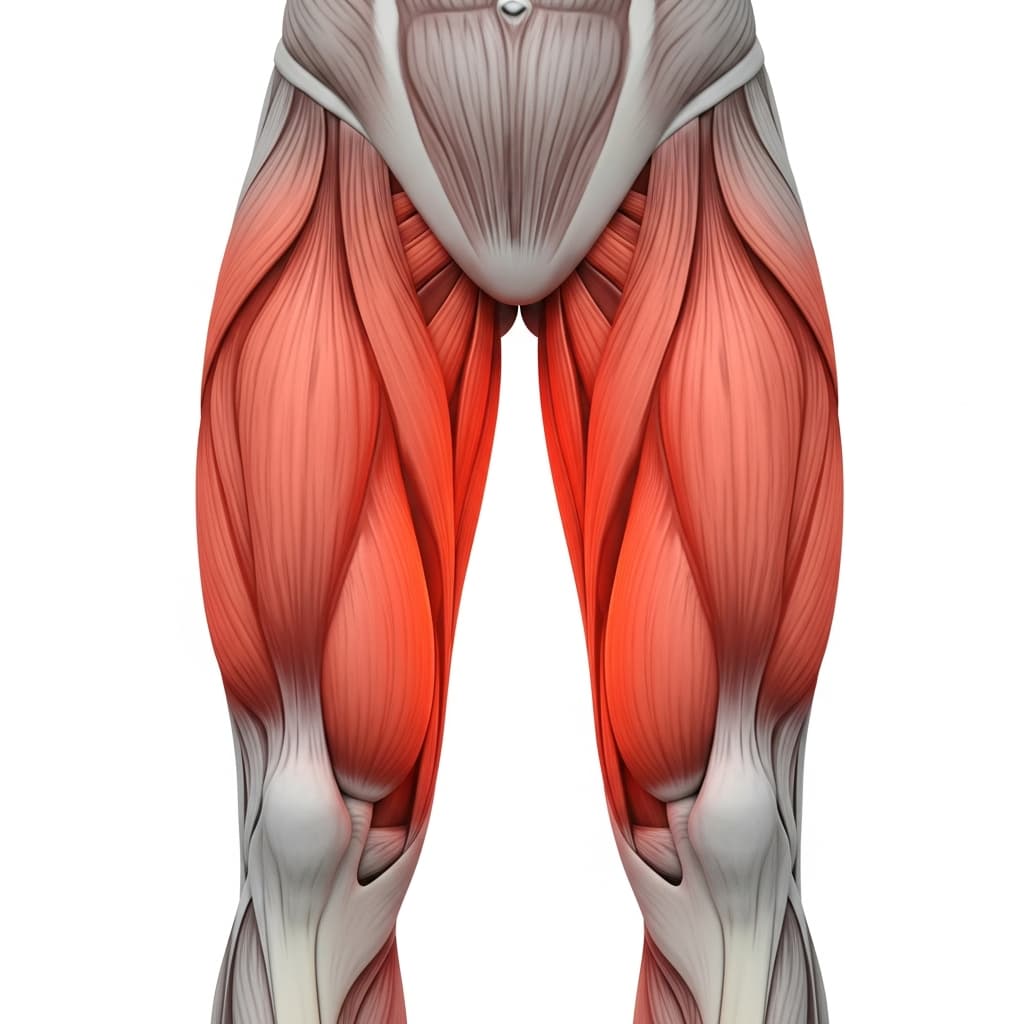
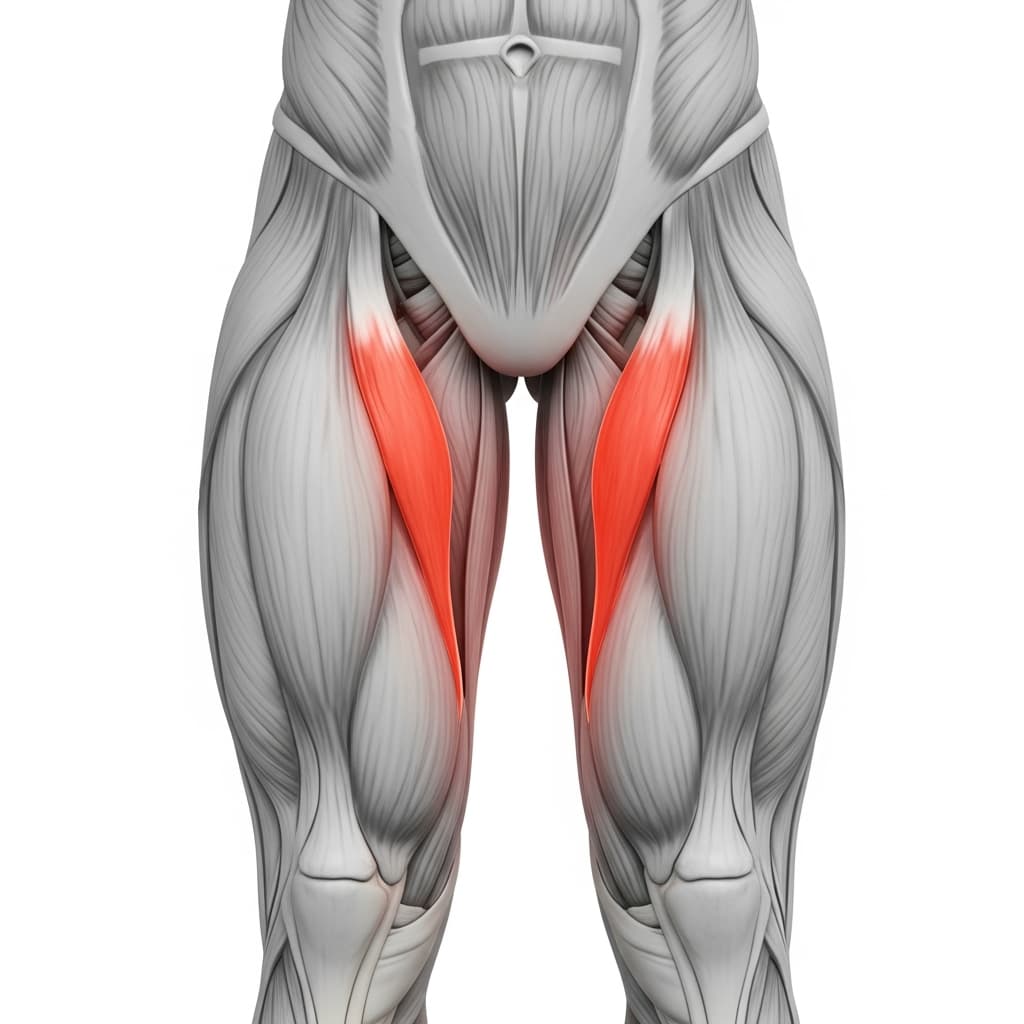
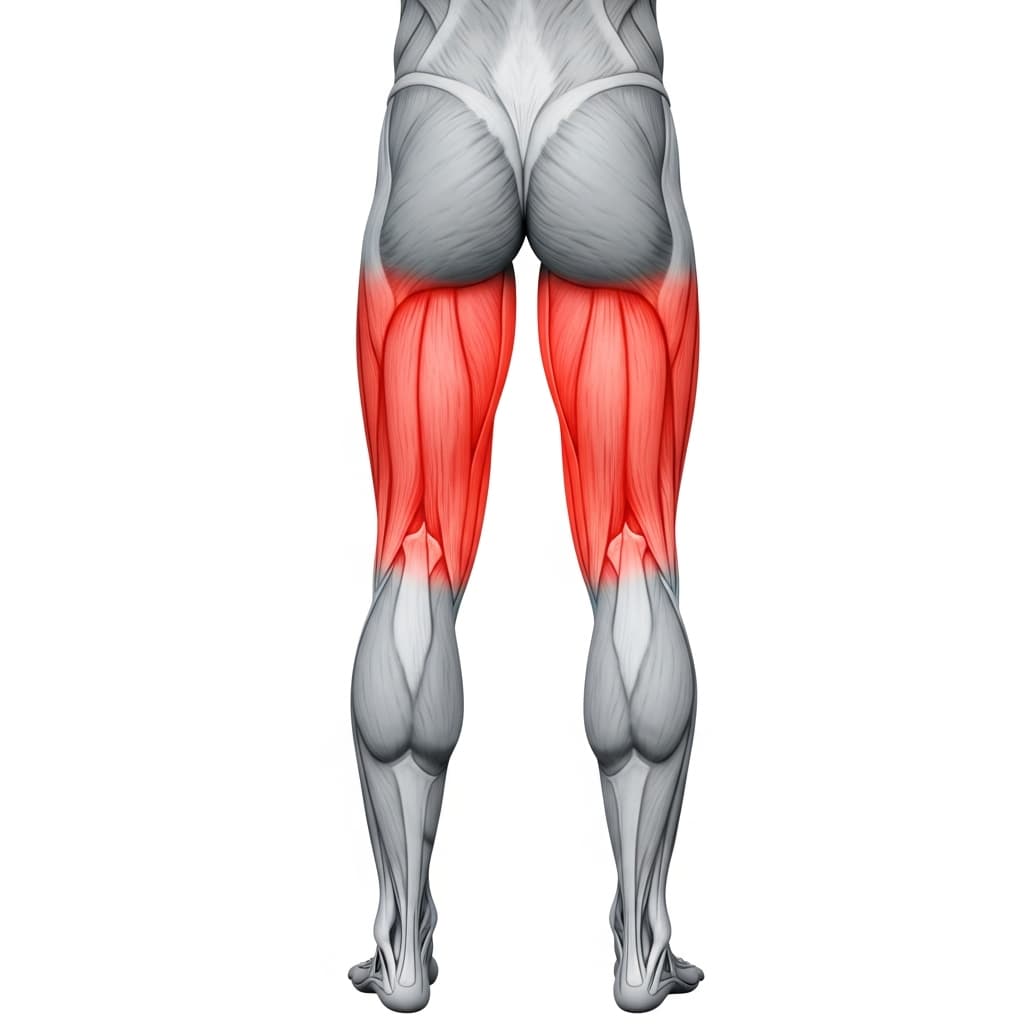
Primary Muscles
Iliopsoas (Hip Flexors) - The hip flexors lift the straight legs off the floor and keep them there for the whole hold, working in a short position.
Rectus Abdominis (Abs) - The deeper abs create the core compression, switched on by pulling the belly button toward the spine and kept on until the legs come down.
Secondary Muscles
Quadriceps (Quads) - The quads keep the knees locked so the legs stay completely straight while they are off the floor.
Hip Adductors (Adductors) - The inner thighs are held in a lengthened position by the straddle, so you practice controlling the legs in a range you usually only reach by stretching.
Hamstring Group (Hamstrings) - The hamstrings stay lengthened because the legs are straight, and lifting the legs takes them further into that stretch.
Benefits of Straddle Compression Hold
- Builds active flexibility by holding your legs up in a straddle range you usually only reach by relaxing into a stretch
- Prepares you for the straddle press handstand, where folding passively is not enough and you have to lift your own legs
- Teaches you to switch on the deep abs with a suck-in and keep them on while the hip flexors hold the legs
- Needs nothing but the floor and scales to your level, since the upper body lean and hand position set the difficulty
- Pairs with pancake stretching: the stretch builds the straddle range, and this drill teaches you to control it
Who Is This Exercise For?
You need a straddle you can sit in upright, not a full pancake or split. It helps to know the belly button to spine suck-in and how to move only the legs, as in Pike Pulses. If you can lift the legs but not hold them, start with the Straddle Compression Lift, and if the heels stay down, lean back a little or lift one leg at a time.
Common Mistakes to Avoid
Straddling as wide as your full stretch: In a full stretch the muscles mostly relax, and it is harder to switch them on and lift the legs. Close the legs a little from your full straddle so the hip flexors and core can work.
Rocking the upper body to get the legs up: Keep the upper body still and fixed, with no momentum. If you have to rock or throw yourself back to get the heels up, choose a more upright or slightly backward lean and hold it still for the whole set.
Bending the knees: Keep the knees locked from the lift to the lowering. Bent knees make it easier to get the feet up, but you lose the straight-leg straddle range this drill trains, so lift a little lower instead.
Rounding the lower back to get the heels up: Rounding the lower back takes the work off the hips, so sit tall with a long spine. If the lift is too hard, lean back a little with a straight back, hold still and accept a smaller lift.
Losing the suck-in during the hold: The compression comes from pulling the belly button toward the spine. Pull it in as you lift and keep it for the whole hold, so the deeper abs keep working with the hip flexors until the legs come down.
Variations & Progressions
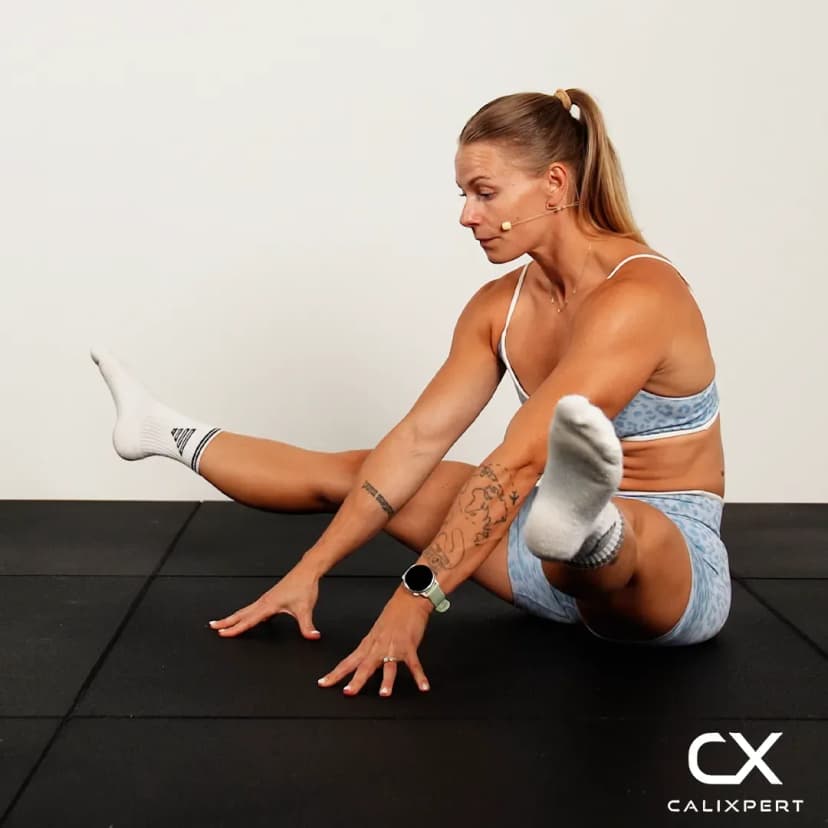
One Leg Straddle Compression Hold
Keep the same straddle and upright upper body, but lift and hold one leg at a time. Use it when both legs will not leave the floor yet, and switch sides each hold.