Back Extension
Back extensions, often called hyperextensions, train the lower back and erector spinae by lifting the torso against gravity while the legs stay anchored. Lying face down across a box with your hip just past the edge, you lift from hanging down to one straight line with a neutral back and head, squeezing the glutes to help. Unlike the Hyperextension in the Calixpert library, where the upper body rests on dip bars or another raised surface and the legs lift, here the torso moves.

Back extensions, often called hyperextensions, train the lower back and erector spinae by lifting the torso against gravity while the legs stay anchored. Lying face down across a box with your hip just past the edge, you lift from hanging down to one straight line with a neutral back and head, squeezing the glutes to help. Unlike the Hyperextension in the Calixpert library, where the upper body rests on dip bars or another raised surface and the legs lift, here the torso moves.
How to Do Back Extension
1. Anchor Your Legs
Rack a barbell low enough for your lower legs to slide under it while you lie on a box. Kneel on the box facing away from the rack, then slide your legs back one at a time until the bar sits across the back of your lower legs, around the ankles. Without a rack, lie over the edge of a couch and have a partner hold your legs down.
Legs pinned, nothing slides.
2. Set Your Hip Just Past The Edge
Keep your hands on the floor for support and shuffle until your hip sits right outside the edge of the box, in a spot that feels comfortable and lets you bend freely at the hip. Too far back is not comfortable at all, and too far forward does not work either, so find the spot before the first rep.
Hip right outside the box edge.
3. Put Your Hands On Your Chest
Start with your hands on your chest. This keeps the weight of your arms close to the hip, which makes it the easiest arm position. Then, if you want to advance, you can bring the hands to your ears, or even out to the front.
Start with hands on the chest.
4. Hang Down With A Neutral Back
Let the torso hang down over the edge by bending at the hip. From here, keep a straight back, with no hyperextension and no rounding, and keep the head in a neutral position in line with the back.
Straight back, neutral head.
5. Lift To A Straight Line
Lift the torso until it lines up with your hips and legs, and squeeze the glutes as you come up so they work with the lower back. Stop there. Going past the straight line is the hyperextension to avoid, even though the exercise often carries that name.
Up to straight, squeeze the glutes.
6. Lower Down And Repeat
Bend at the hip to lower the torso back down over the edge, then lift into the next rep. Move with control in both directions rather than dropping into the bottom or swinging up.
Lift, then lower with control.
The rep is done when the torso lines up with the hips. Going higher bends the lower back backwards without making the muscles work harder, so squeeze the glutes on the way up and stop there. Spend the first sessions with the hands on the chest, finding the spot on the box where the hip bends freely, then move them to the ears when you want to advance.
Muscles Worked During Back Extension
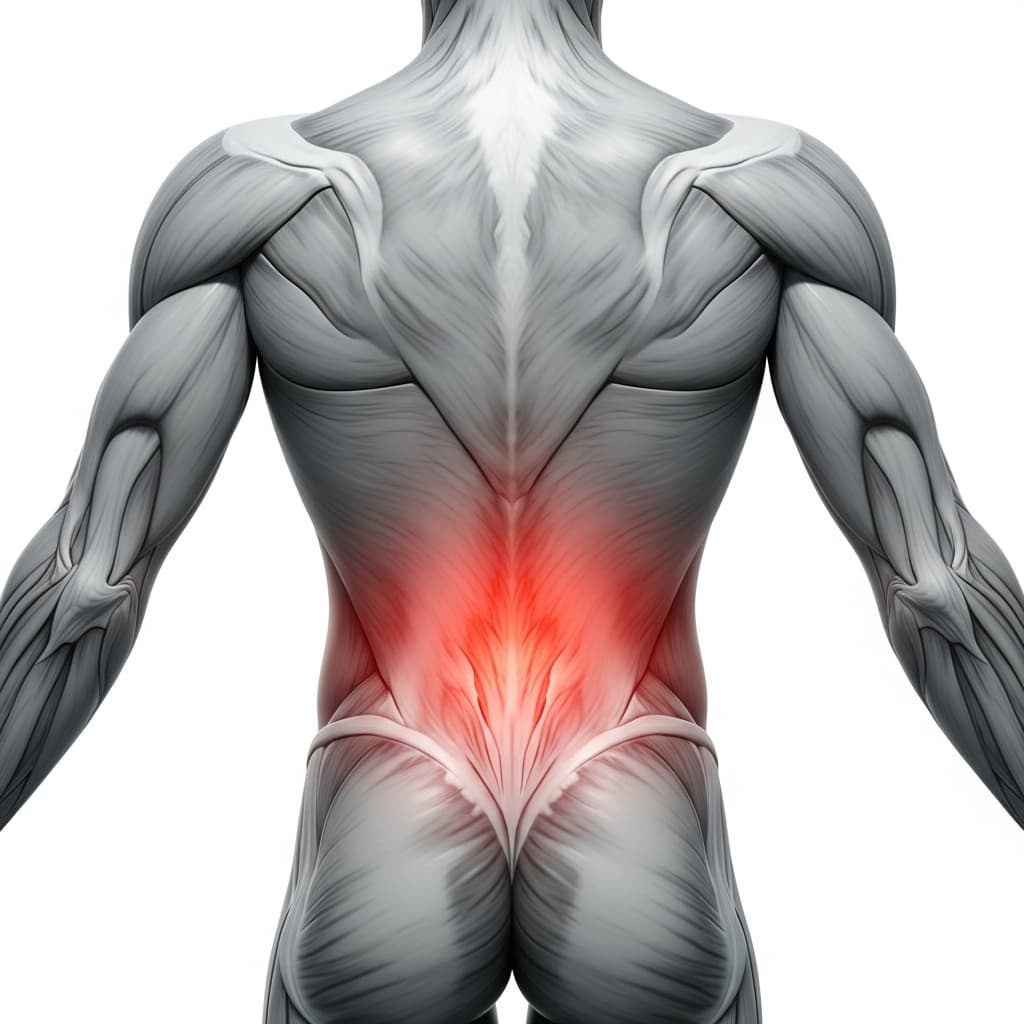
Primary Muscles:
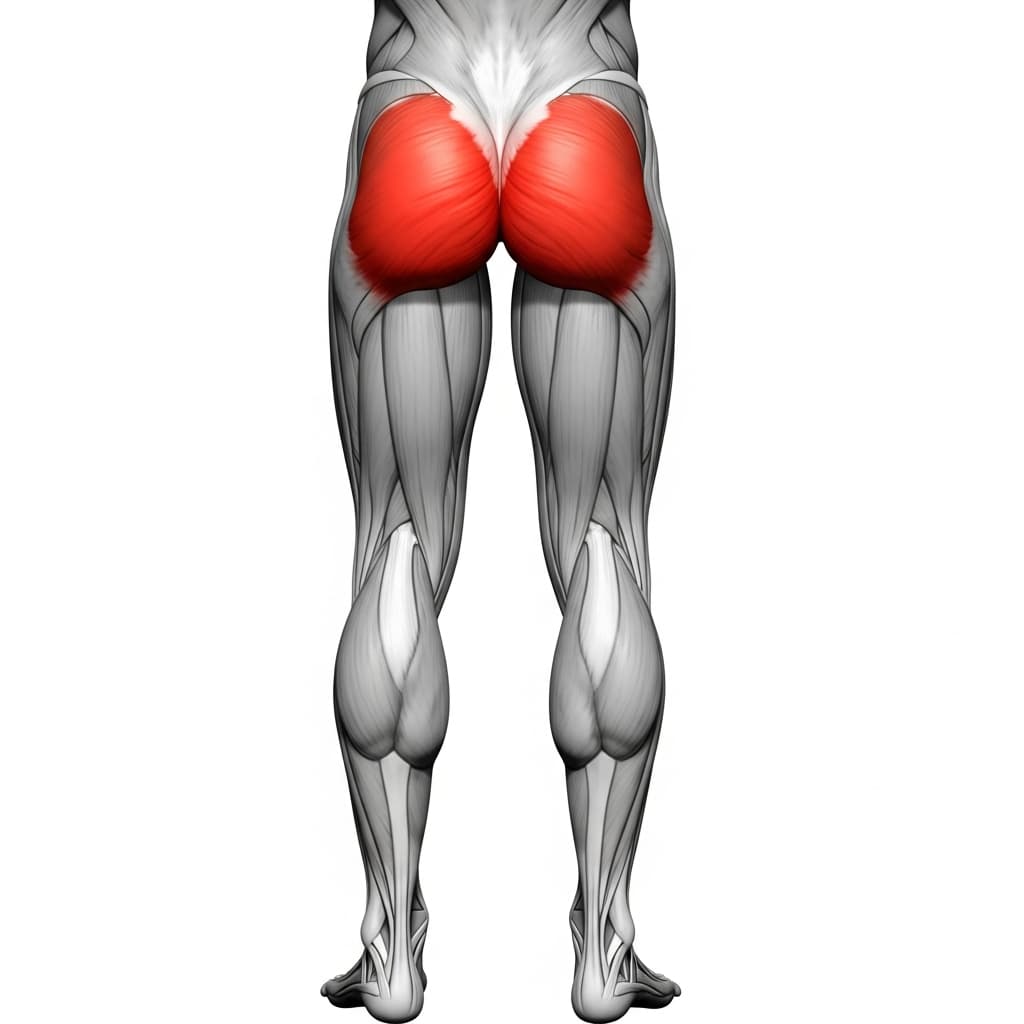
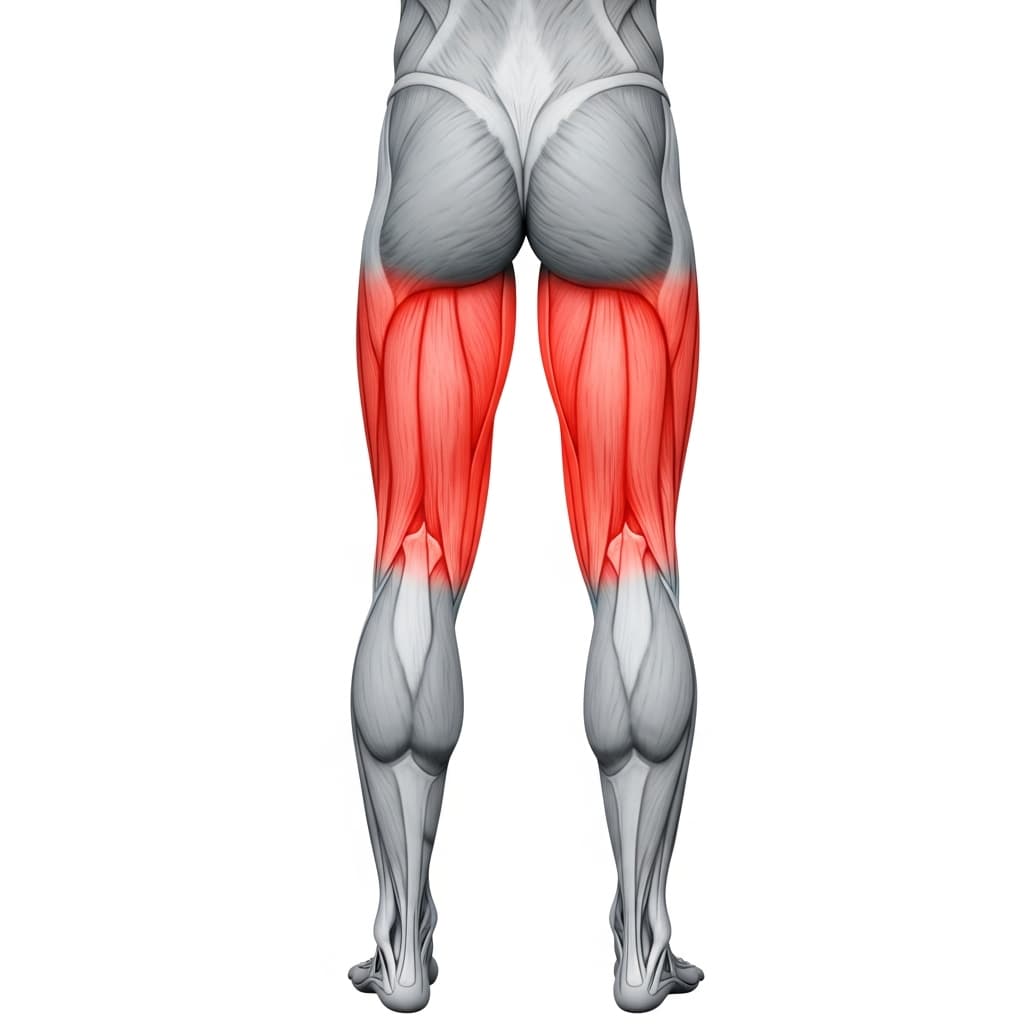
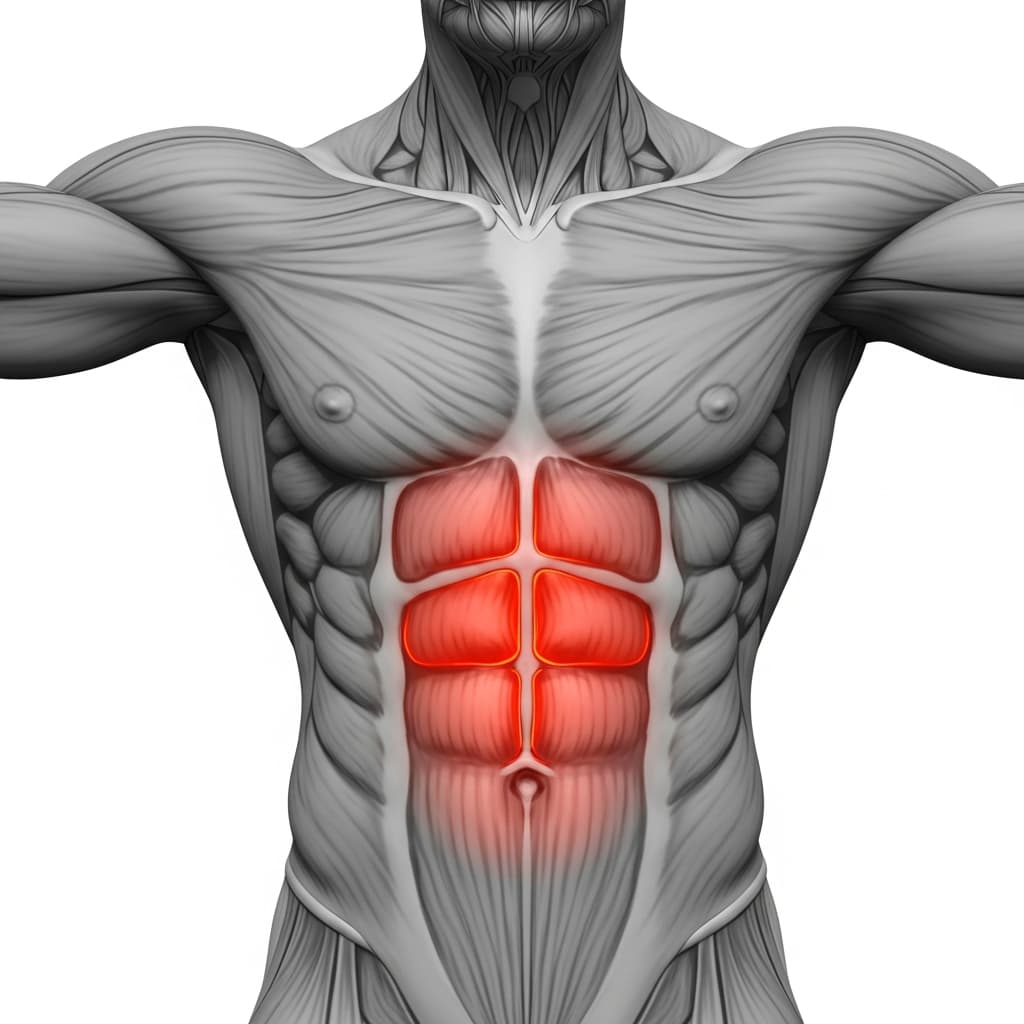
Secondary Muscles:
Primary Muscles
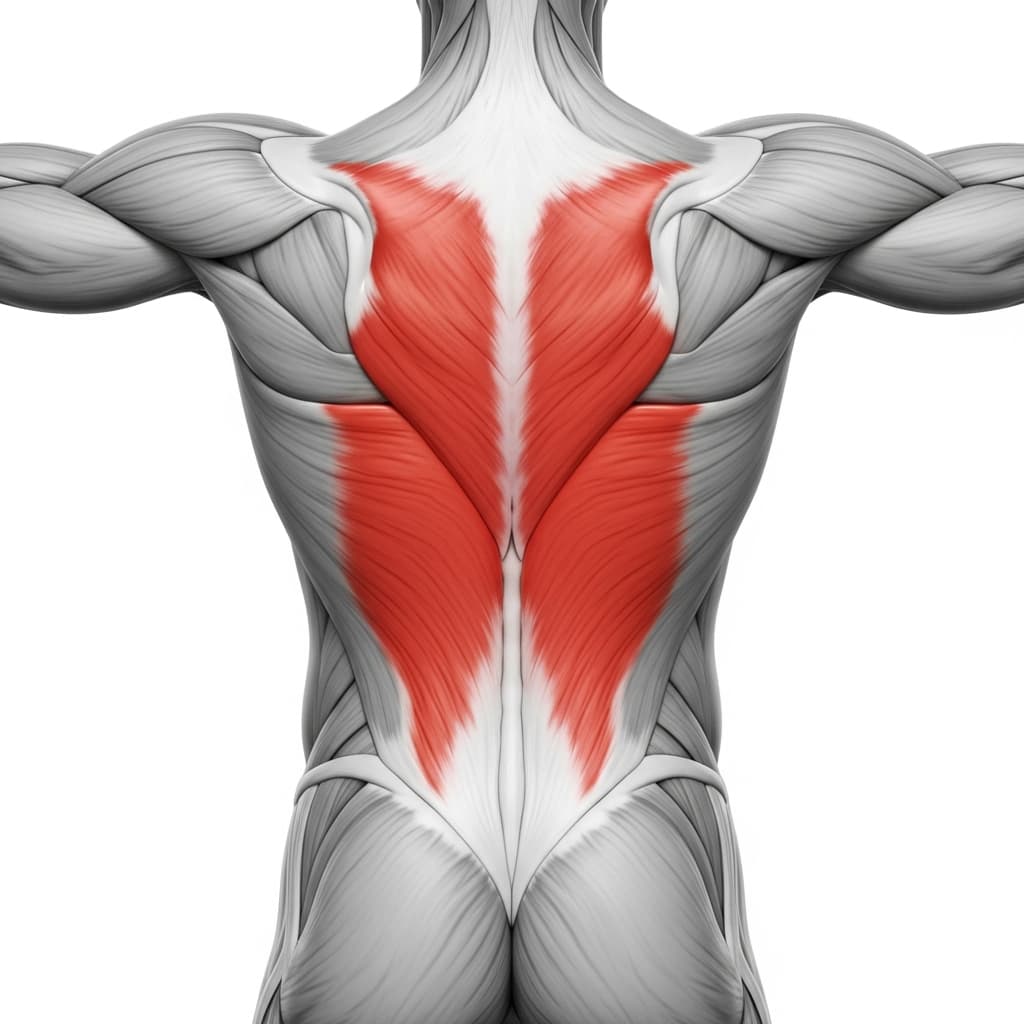
Erector Spinae (Spinal Erectors) - The erector spinae run along both sides of the spine and lift the torso to a straight line, holding the back neutral so it neither rounds nor arches.
Erector Spinae (Lower Back) - The lower back is the main target and works hardest near the top, where the torso sticks straight out from the box and its weight has the longest lever.
Secondary Muscles
Gluteus Maximus (Glutes) - The glutes extend the hip as you lift, and squeezing them on the way up gets them working alongside the lower back instead of leaving it to work alone.
Hamstring Group (Hamstrings) - The hamstrings help the glutes extend the hip, and you will usually feel them lengthen at the bottom when the torso hangs down over the edge.
Rectus Abdominis (Abs) - The abs brace to keep the spine neutral, which helps you stop at a straight line at the top instead of arching past it.
Benefits of Back Extension
- Strengthens the lower back and the erector spinae through a full range, from hanging down over the box to a straight line.
- Brings in the glutes and hamstrings, which extend the hip on every rep, especially when you squeeze the glutes on the way up.
- Teaches you to lift from the hip and stop at a straight line with a neutral back and head, instead of arching past it.
- Needs no machine, just a box and a barbell in a squat rack, or a couch edge and a partner holding your legs.
- Gets harder without adding any weight, just by moving the hands from the chest to the ears and then out in front.
Who Is This Exercise For?
You need little strength to start, only a setup that holds your legs still: a back extension bench, a sturdy box with a barbell in a squat rack, or a couch edge with a partner. Controlled belly back raises on the floor, hips down and head in line with the spine, are good preparation. If you have lower back pain or a back injury, check with a health professional first.
Common Mistakes to Avoid
Arching past a straight line at the top: Stop when your torso lines up with your hips and legs, with a straight back and no hyperextension. Lifting higher than a neutral spine gives the muscles no extra training effect and puts more strain on the spine.
Leaving the glutes out of the lift: If you only think about the back, the glutes can stay passive. Squeeze the glutes as you come up so they help extend the hip together with the lower back and the erector spinae on every rep.
Lying with the hip on top of the box: If the box sits under your hip, it blocks the hip from bending and will not be comfortable at all. Move until the hip is right outside the edge of the box, where you can fold freely.
Lifting the head to look forward: Craning the neck up at the top pulls the head out of line with the rest of the spine. Keep the head neutral, in line with your back, with your eyes toward the floor.
Starting with the hands at the ears: The further the hands are from the hip, the heavier the torso gets. Start with the hands on the chest and move them to the ears, or even out in front, when you want to advance.
Variations & Progressions
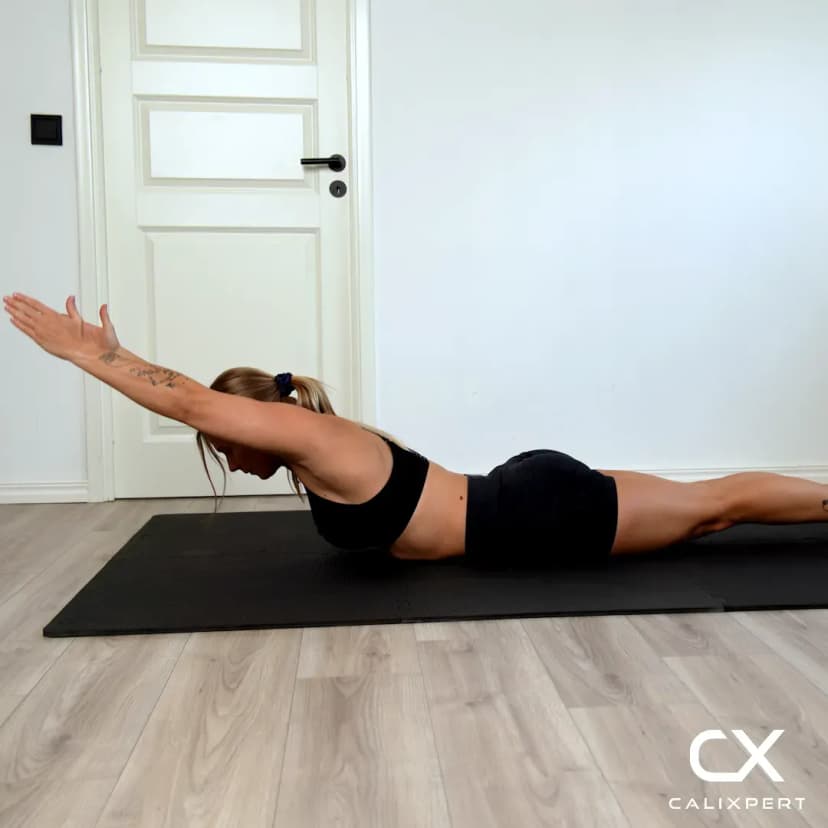
Hands At Ears Back Extension
With the hands at the ears, the arms sit further from the hip than on the chest, so the torso is heavier to lift and to hold straight at the top.
Arms Forward Back Extension
The next step after hands at the ears. Reaching the arms out to the front puts their weight as far from the hip as it can go, which makes it the hardest of the three hand positions.