Seated Good Mornings
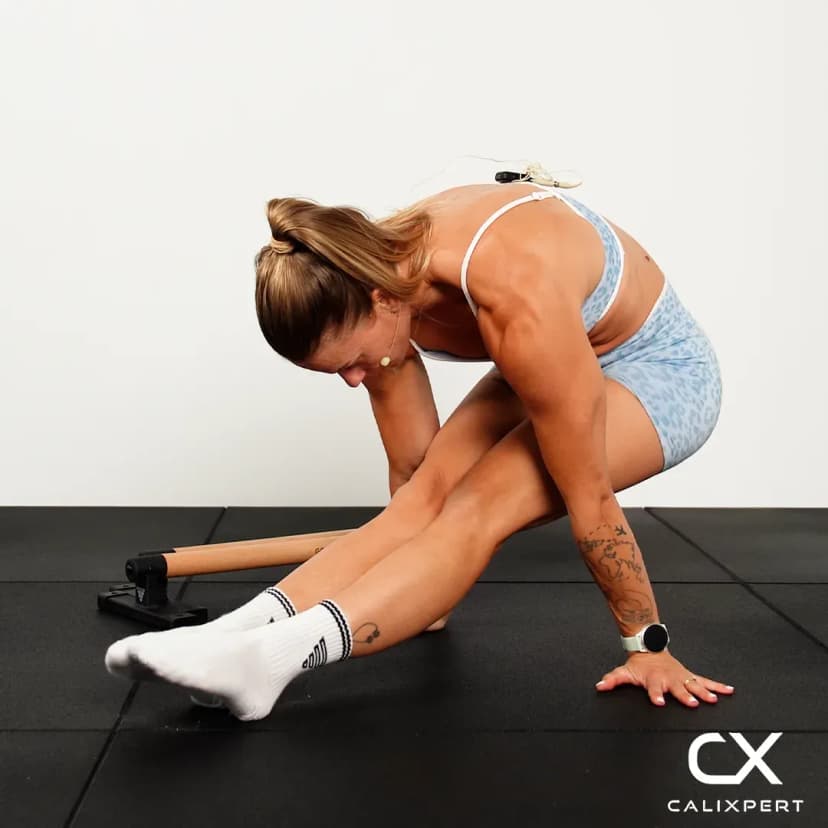
Seated good mornings are a mobility drill where you straddle a bench and lean your chest toward the floor from the hips, which targets the glutes and hips quite a lot. With the knees bent, the hamstrings stretch far less than in a straight leg pancake, and you train control on the way back up. Unlike the pancake stretches, where you tip the pelvis forward and hold, you keep it fairly neutral and move for reps, adding a plate if bodyweight feels too easy.
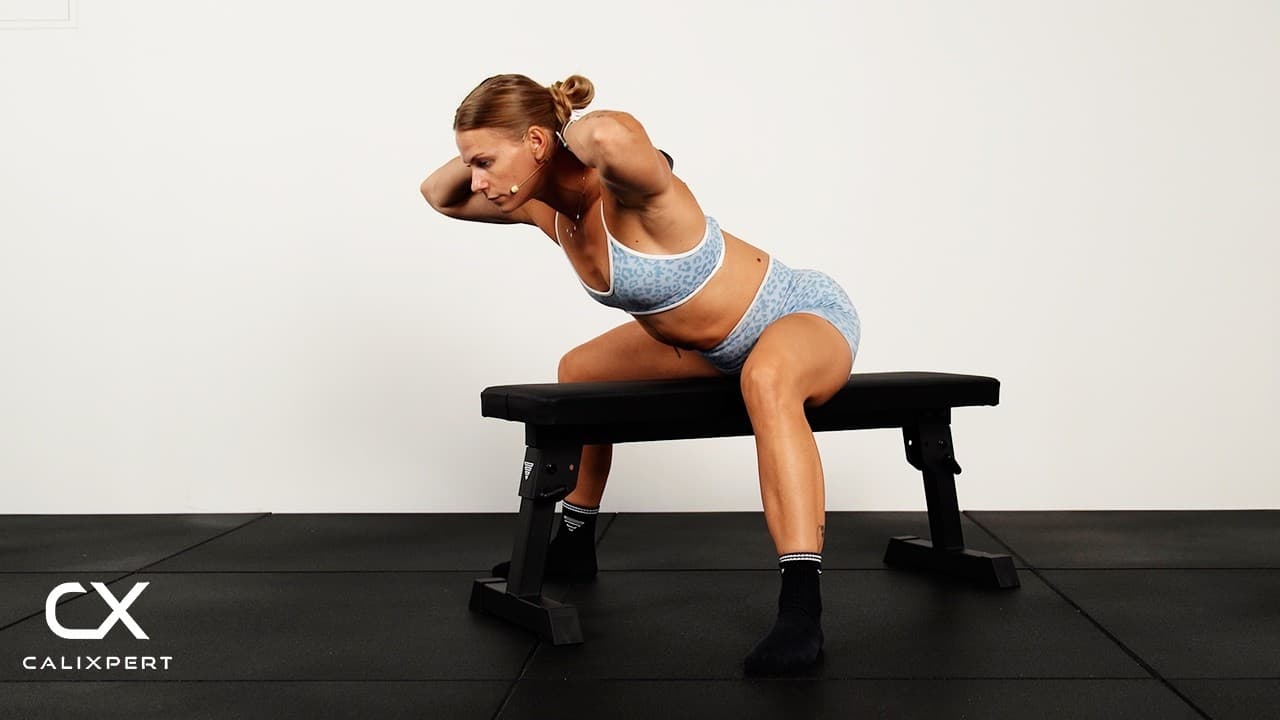
Seated good mornings are a mobility drill where you straddle a bench and lean your chest toward the floor from the hips, which targets the glutes and hips quite a lot. With the knees bent, the hamstrings stretch far less than in a straight leg pancake, and you train control on the way back up. Unlike the pancake stretches, where you tip the pelvis forward and hold, you keep it fairly neutral and move for reps, adding a plate if bodyweight feels too easy.
How to Do Seated Good Mornings
1. Sit On The Bench In A Wide Straddle
Sit on a bench, a box or something similar. On a flat bench, sit with one leg on each side so the bench runs out in front of you, knees bent and feet flat on the floor. Straddle your legs as much as you can, but a little less than your maximum, because you still need to be able to activate your glutes and hips in that position.
Wide, but a little less than your max
2. Sit Tall With A Straight Back
Start with an upright torso and a straight back, and keep your head in a neutral position, in line with the spine. Begin with only your bodyweight, hands up in front of your chest.
Tall torso, head in line
3. Keep The Pelvis Neutral
Keep a fairly neutral position of the hips. Do not exaggerate a posterior pelvic tilt, where the pelvis tucks under and the lower back rounds, or an anterior pelvic tilt, where the pelvis tips forward into a big arch. This is different from the pancake stretches, where you tilt the pelvis forward on purpose.
No big tuck, no big arch
4. Lean Forward As Far As You Can
Keeping the back straight, lean forward from the hips with your chest going toward the floor or the bench in front of you. Go as far as you can while the back stays straight. The point where the back would have to round to go further is the bottom of your rep.
Chest toward the floor, back stays straight
5. Push Back Up
From the bottom, push yourself back up to the upright start with the same straight back and neutral head you went down with. Use the glutes and hips to bring you up rather than throwing the shoulders back, then lean forward again for the next rep.
Lean forward, push back up
6. Add A Weight When It Gets Easy
If the bodyweight version feels too easy and you want to advance, put a weight plate or some kind of weight on your upper back and do exactly the same movement. Hold it there with both hands behind your head. Keep it light enough that the back stays straight and you control the way back up.
Same movement, weight on the upper back
Judge the rep by your back, not your depth: as soon as the lower back rounds, that is the bottom of your lean today, however far from the bench. Set the straddle a little inside your maximum so the hips can work, and keep the pelvis quiet. When bodyweight feels easy, add a light plate to the upper back rather than forcing the legs wider.
Muscles Worked During Seated Good Mornings
Secondary Muscles:
Primary Muscles
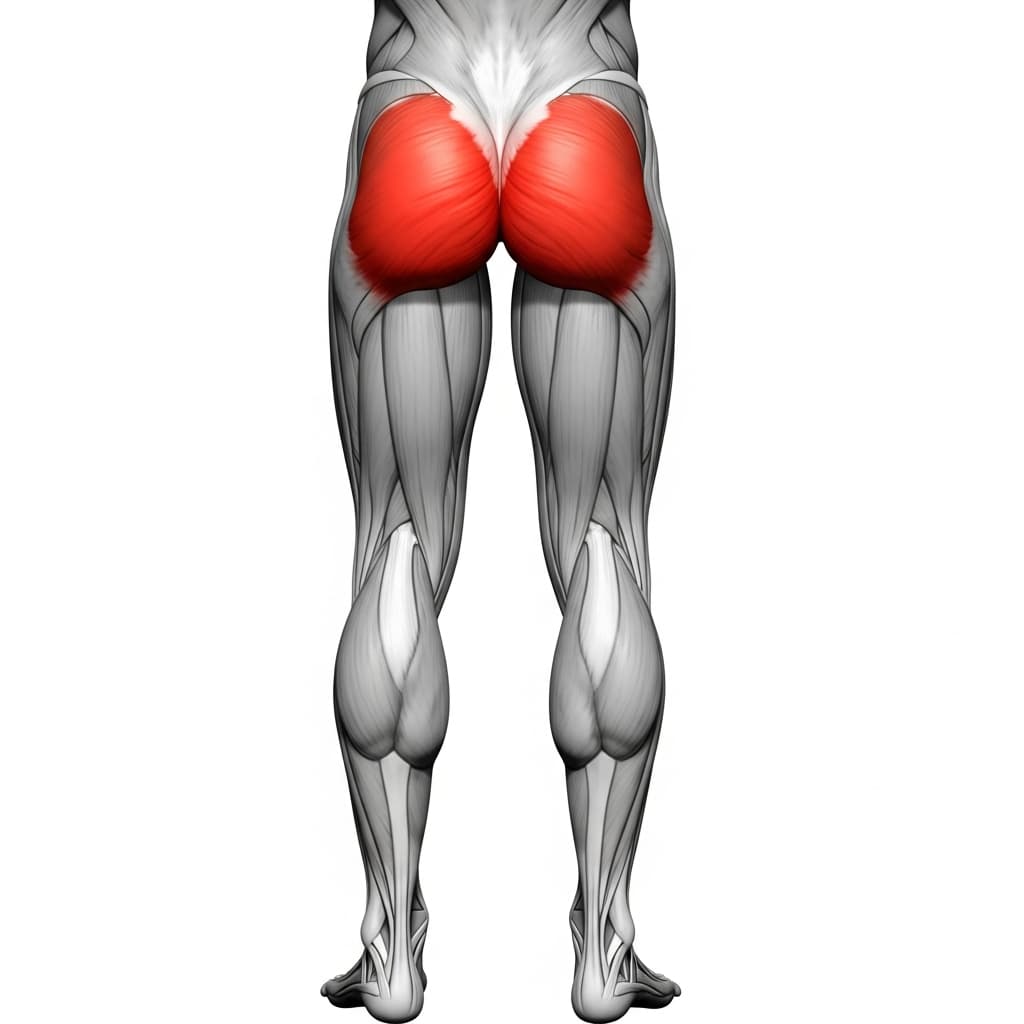
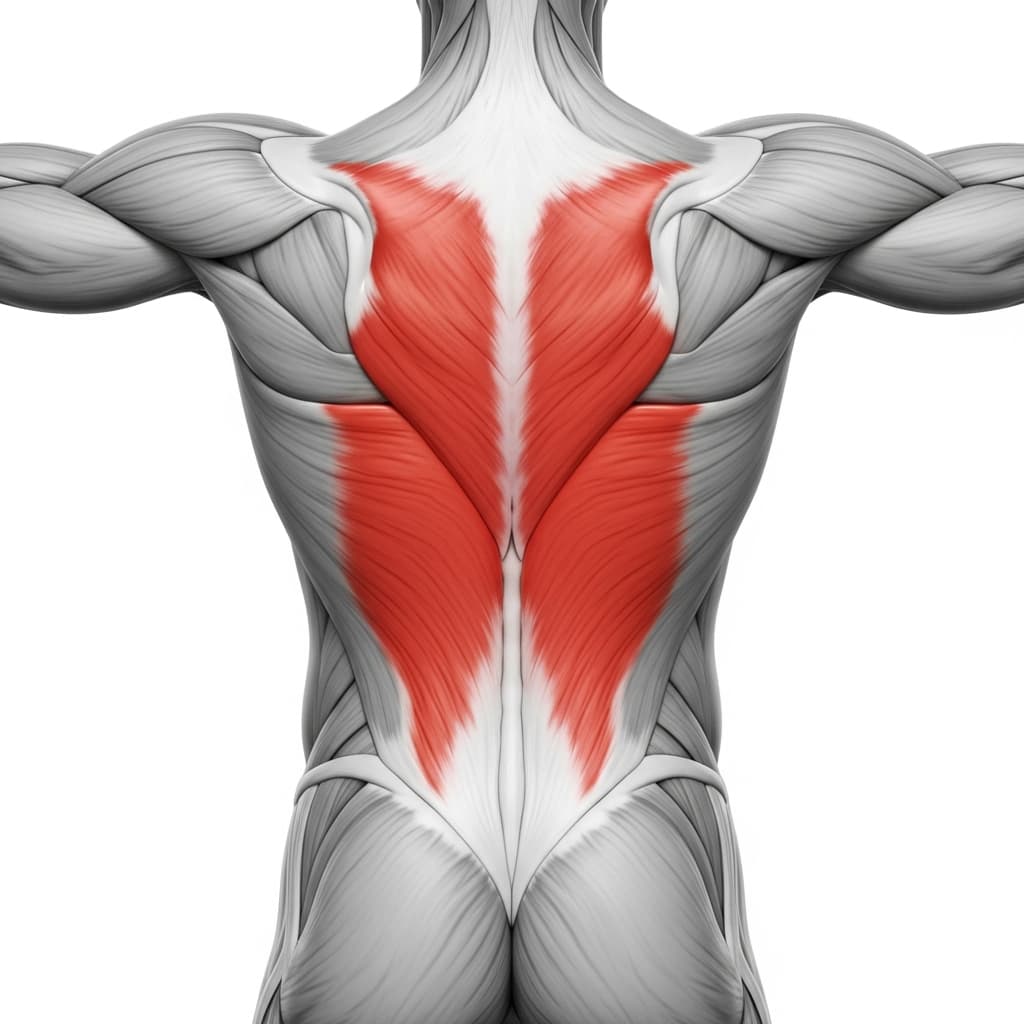
Gluteus Maximus (Glutes) - The glutes are targeted quite a lot, stretching as you lean into deep hip flexion and working to bring your torso back up.
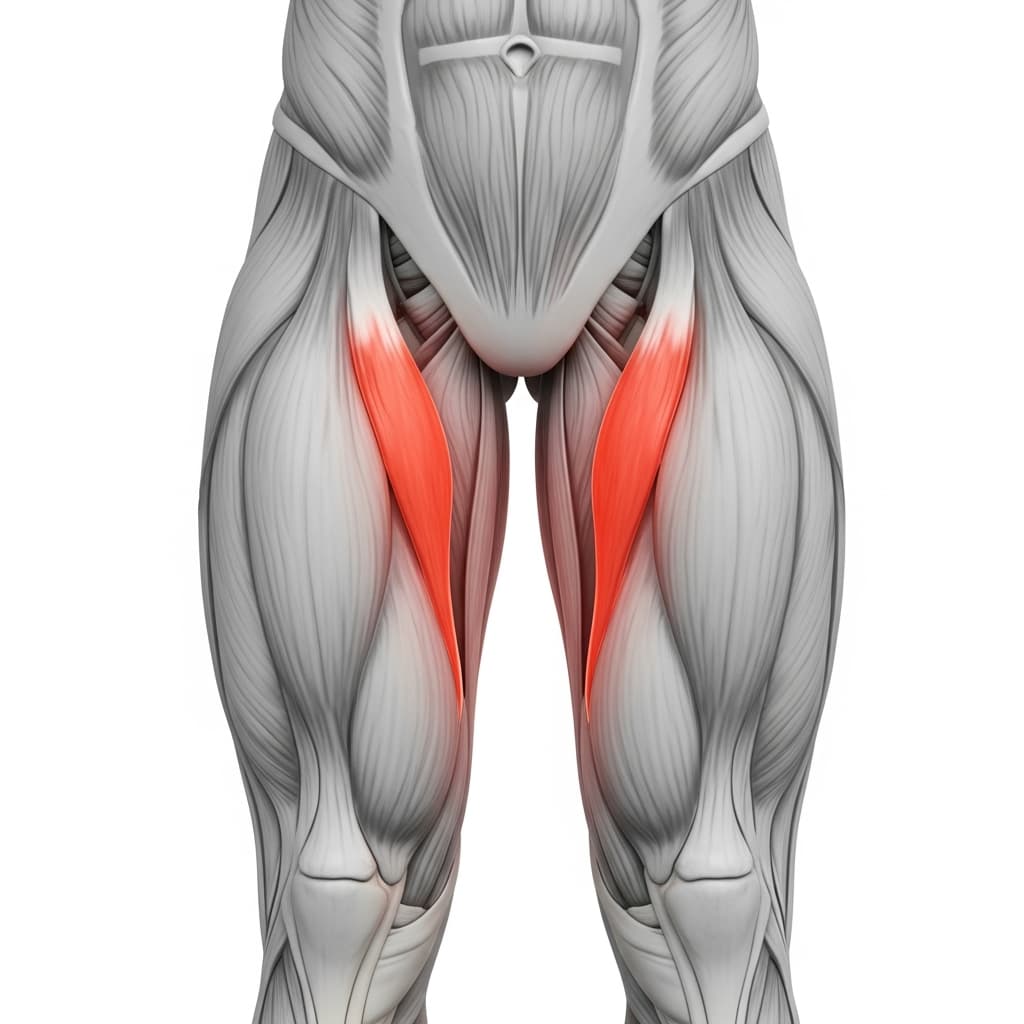
Hip Adductors (Adductors) - The wide straddle lengthens the inner thighs, and leaning forward adds to the stretch on the adductor magnus, which also helps extend the hip on the way back up.
Secondary Muscles
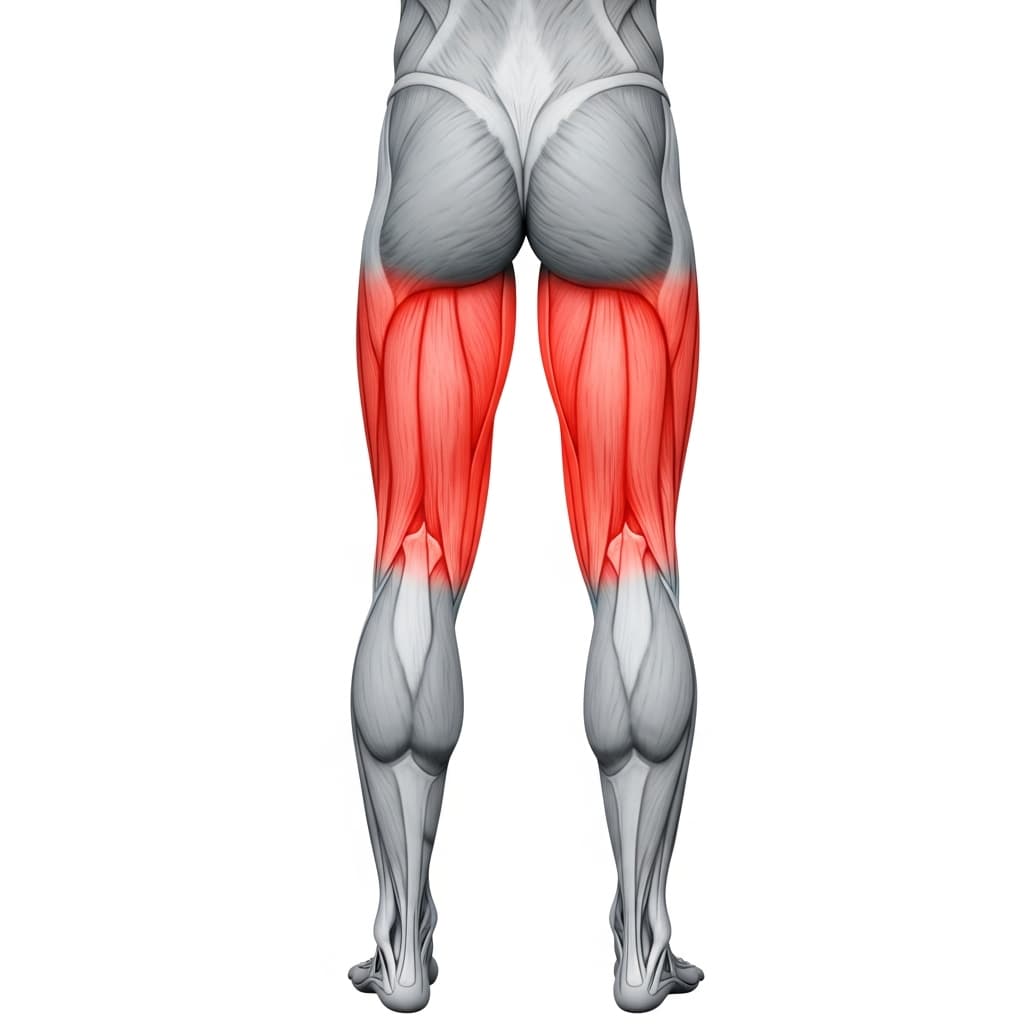
Hamstring Group (Hamstrings) - The hamstrings get some stretch and help bring you back upright, but with the knees bent they are stretched far less than in a straight leg pancake.
Erector Spinae (Spinal Erectors) - The muscles along the spine hold the back straight as you lean forward and come back up, keeping the movement in the hips instead of the lower back.
Benefits of Seated Good Mornings
- Builds active flexibility by teaching you to lean from the hips with a straight back in a wide straddle and control the way up
- Stretches the glutes and inner thighs with the knees bent, so tight hamstrings stop the lean later than in a straight leg pancake
- Builds the straight back, chest forward, neutral head position that the pancake stretches and other straddle work rely on
- Scales from bodyweight to a weight plate on the upper back without changing the movement
- Counts as flexibility work, since studies comparing strength training with stretching have found similar gains in range of motion
- Needs only a bench, a box or something similar, so it fits easily into a warm-up or a flexibility session
Who Is This Exercise For?
You need to sit on a bench in a wide straddle, feet flat, with an upright torso and a straight back. The bodyweight version has no strength requirement, but you should be able to lean forward at least a little from the hips before the lower back rounds. Add a plate only once bodyweight feels too easy and you can push back up from your deepest lean with a straight back.
Common Mistakes to Avoid
Straddling to your absolute maximum: Straddle as wide as you can, but a little less than your maximum. At full width the glutes and hips are much harder to activate and the legs help less on the way up, so bring the feet in until you feel the hips working.
Rounding the back to get lower: Lean only as far forward as you can with a straight back. When the lower back starts to round, you have reached the bottom, so think chest toward the floor or bench, not head toward the knees.
Tilting the pelvis too far either way: Keep the hips fairly neutral: tucking the pelvis under rounds the lower back, and an exaggerated forward tilt pushes you into a big arch. Do not carry over the deliberate forward tilt from the pancake stretches.
Leading with the head: Keep the head in a neutral position, in line with the spine, on the way down and on the way up. Craning the neck to look forward or dropping the chin to reach lower both pull the back out of line.
Adding weight too early: Start with bodyweight only and add a plate on the upper back only once that feels too easy. If the weight pulls you down and you drop into the bottom, it is too heavy, because the controlled way back up is the part that matters.
Variations & Progressions
Narrow Straddle Seated Good Mornings
Bring the feet in to ease the inner thigh stretch, make the glutes and hips easier to switch on and let the legs help more coming up. Widen a little at a time as the lean improves, staying a bit short of your maximum.
Weighted Seated Good Mornings
Hold a weight plate, or some kind of weight, on your upper back and do exactly the same lean and push back up. Start light so the weight never drags you into the bottom.
Loaded Pancake Good Mornings
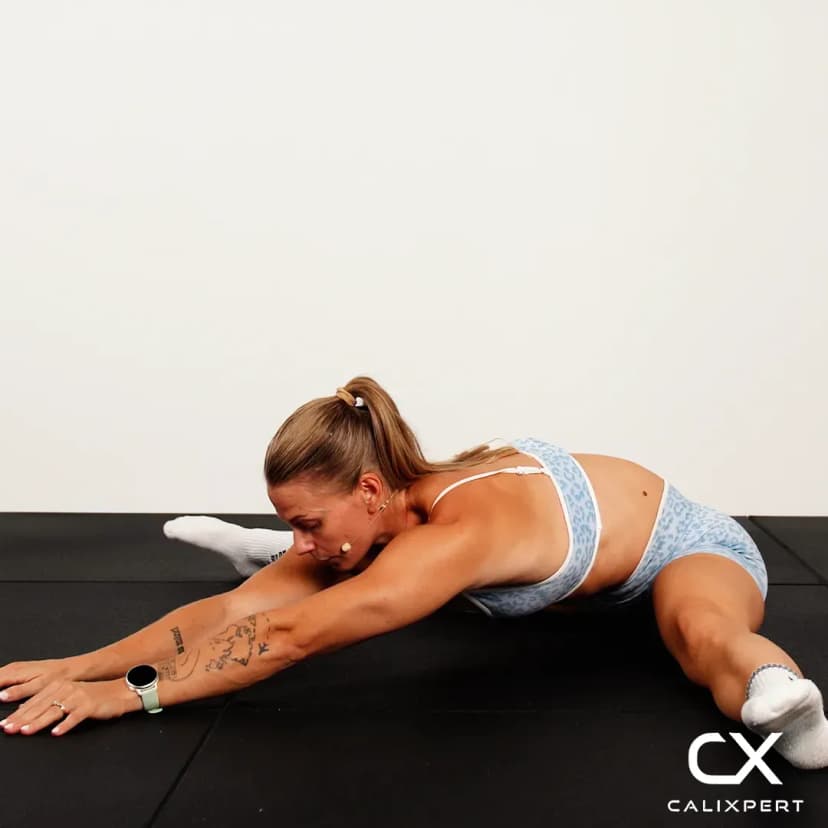
The same hinge done in the pancake straddle on the floor, holding a light weight against the chest or behind the head. Hinge forward slowly, pause at the bottom and actively pull yourself back upright.