

BMI Calculator with Fitness Context
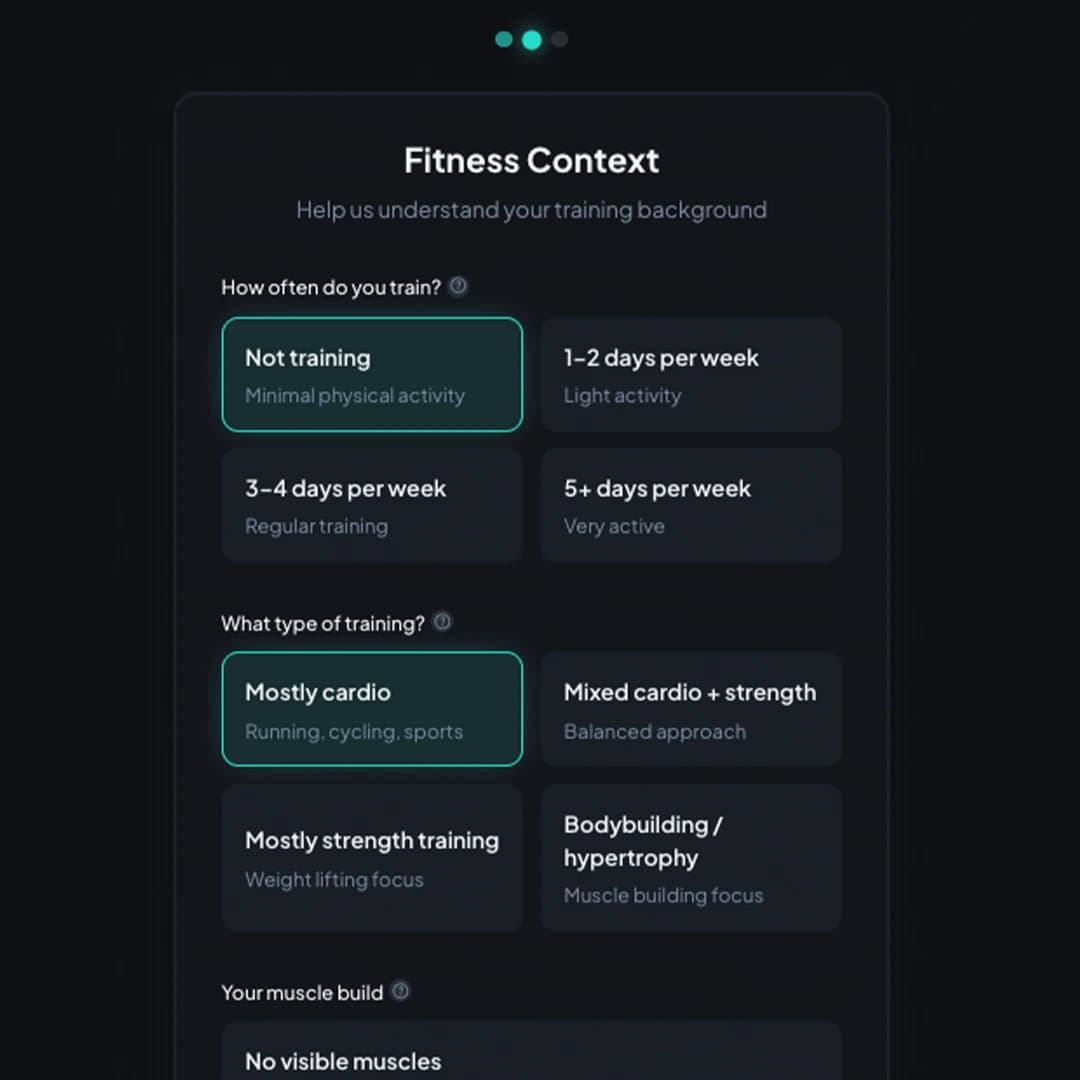
Easily calculate your Body Mass Index and get a more realistic interpretation of your result by adding your training habits, muscle mass, and waist circumference. This BMI tool is made for active people - not just average population data.
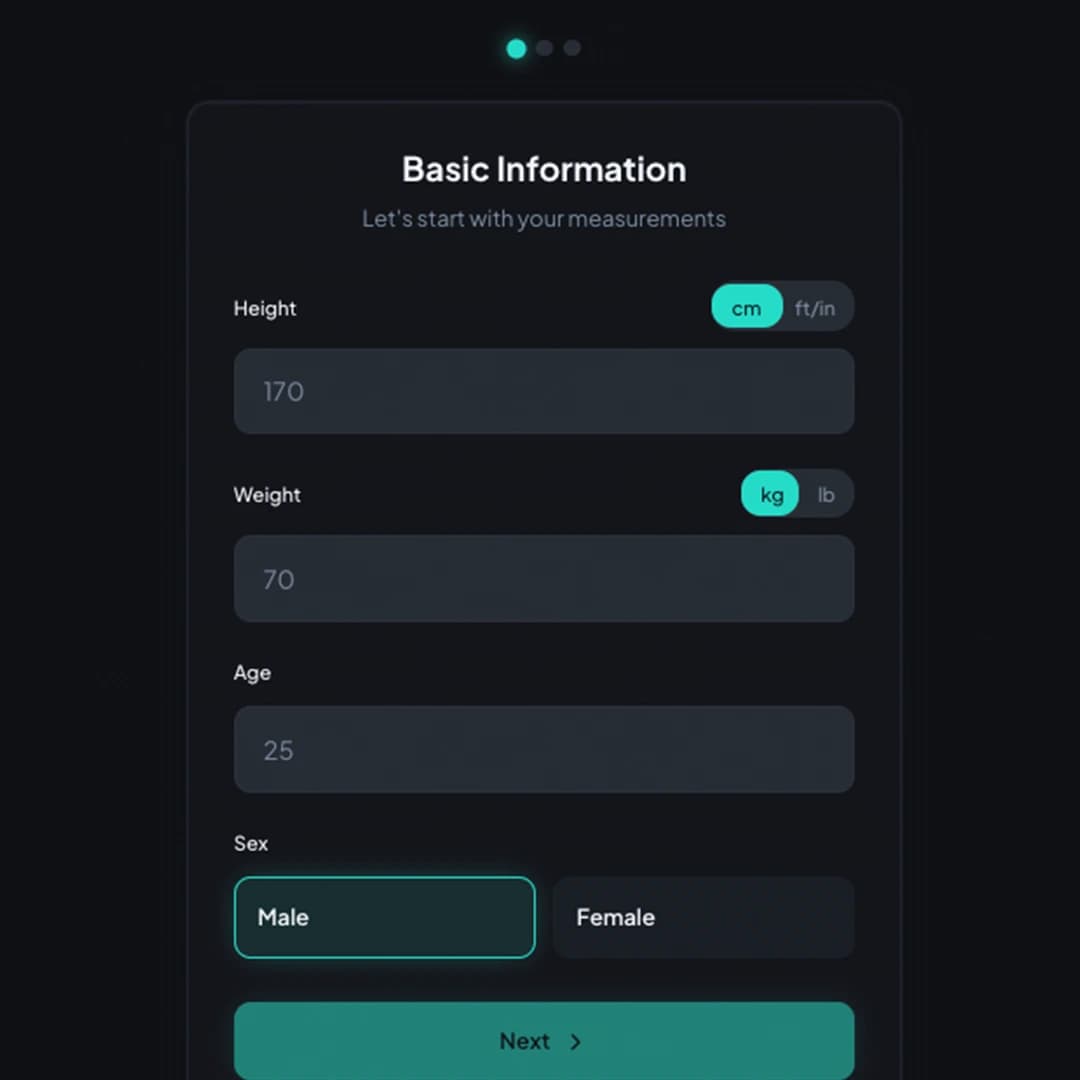
Basic Information
Let's start with your measurements
This calculator is for educational purposes. BMI does not measure body fat. It only uses height and weight.
Other Calculators You Might Need
1RM Pull-Up Calculator
Estimate the maximum weight you can pull for a single rep with added resistance using this weighted pull-up 1RM calculator.
Macro Calculator
Calculate your ideal daily intake of protein, carbohydrates, and fats based on your body composition, activity level, and fitness goals.
One Rep Max Calculator
Estimate your 1RM for any major lift using reps and weight, with built-in strength formulas for accurate programming.
What Is BMI and Why It Matters
BMI (Body Mass Index) is a simple formula that uses your height and weight to categorize your weight status - from underweight to obese. While it's widely used in medical settings, it doesn't consider body composition, which means it can mislead active individuals with more muscle.
A Smarter BMI Calculator for Active People
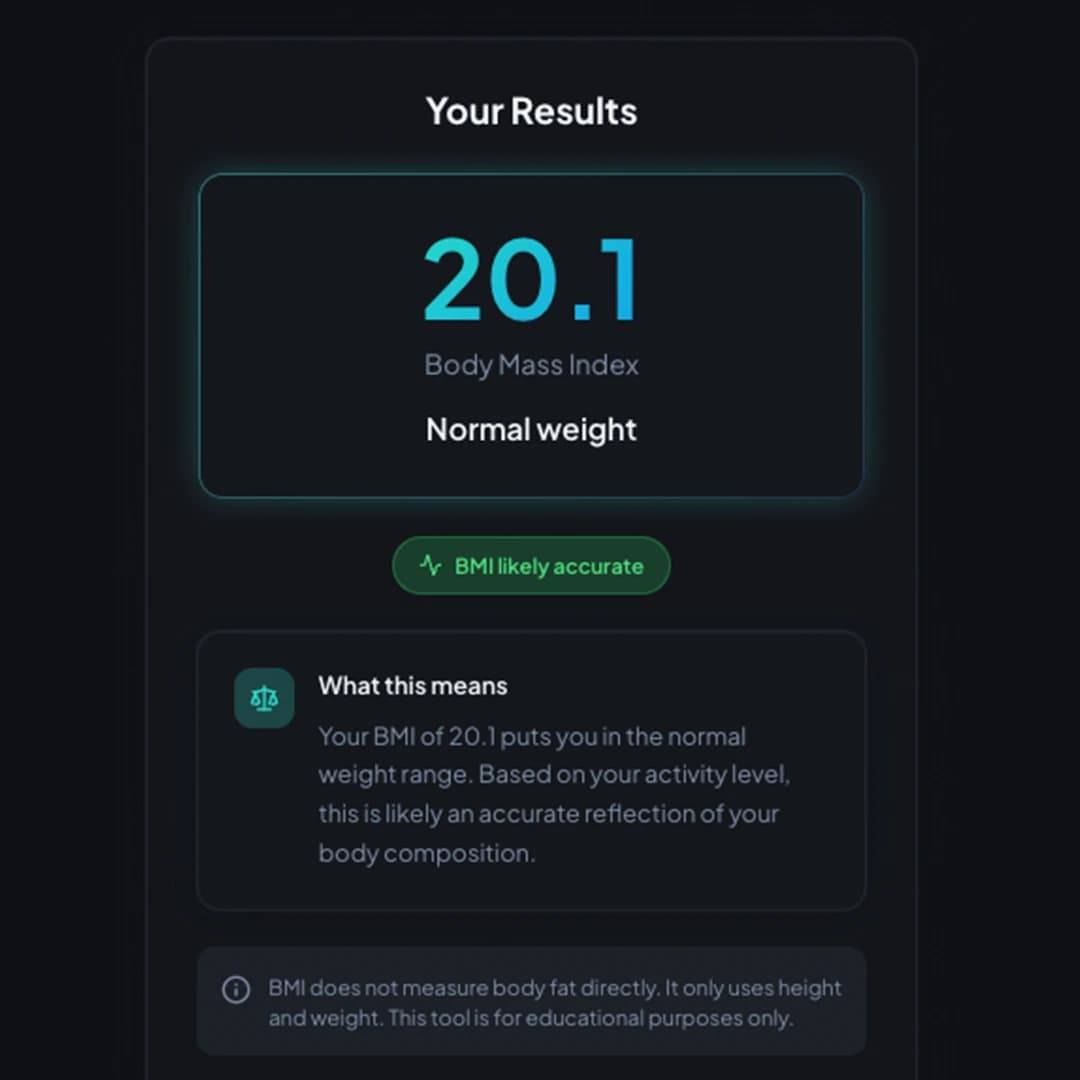
Our BMI calculator isn't one-size-fits-all. It adjusts your result based on how often you train, your muscle build, and even your waist measurement. Whether you do strength training, cardio, or both - you'll get a more relevant and realistic assessment.
How BMI Categories Work
BMI categories help group people into general health ranges:
- Underweight: Less than 18.5
- Normal weight: 18.5 to 24.9
- Overweight: 25 to 29.9
- Obese: 30 or more
These ranges are useful at the population level but don't account for training, age, or lean mass. That's why our calculator also shows whether your BMI result is "likely accurate" or possibly under/overestimated.
Frequently Asked Questions
Learn More About BMI and Body Composition
How BMI Differs From Body Fat Percentage
BMI is a calculation - not a body scan. It uses height and weight only. For deeper insights into body fat %, tools like DEXA, calipers, or body composition scales are more accurate.
Why We Include Fitness Context in BMI
Someone who lifts 5x per week and has lean muscle mass shouldn't get the same BMI interpretation as someone sedentary. Your training matters - and our calculator takes that into account.
The Role of Waist Measurement in Health Risk
Research shows that abdominal fat is linked to higher risk of heart disease and metabolic disorders. That's why waist size is a powerful addition to BMI, especially for identifying hidden risks.
Should You Rely on BMI for Fitness Goals?
Use BMI as a checkpoint, not a final verdict. If your goal is body recomposition or strength, track performance, muscle gain, and visual progress alongside your BMI.
Best Tools to Use with BMI
Combine your BMI results with our Macro Calculator to set fat-loss goals, One Rep Max Calculator to track performance, and Strength Index Calculator to compare your lifts globally.
When You Should Ignore Your BMI
If you're highly trained, muscular, or visibly lean, your BMI may show "overweight" even with low body fat. In these cases, rely more on waist size, energy levels, and how your clothes fit than the BMI number alone.